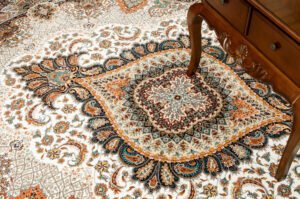
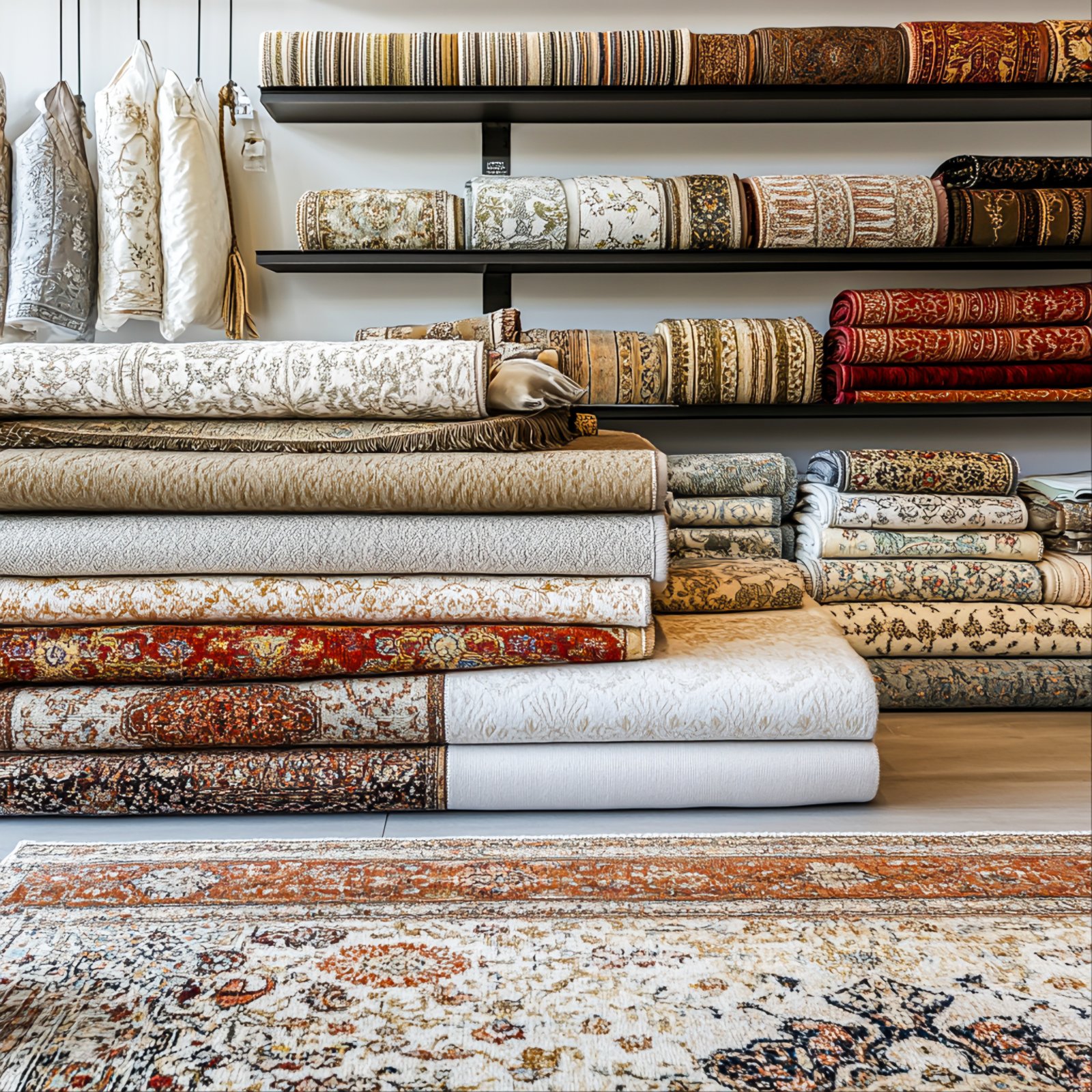
A hand-knotted rug is more than just a floor covering; it is a piece of history, a work of art, and an heirloom that can last for generations. The craftsmanship required to tie thousands of individual knots by hand results in a durability and beauty that machine-made carpets simply cannot replicate. For centuries, India has stood at the forefront of this artistic tradition, exporting exquisite textiles to every corner of the globe.
However, knowing that India produces great rugs is different from knowing exactly where to go to find them. The country is vast, and specific regions specialize in different styles, materials, and knotting techniques. Finding the right piece requires understanding these geographical nuances.
If you are on the hunt for the best place to buy handknotted rugs in India, you have several incredible options depending on your budget, style preference, and willingness to travel. From the dusty looms of the “Carpet Belt” in Uttar Pradesh to the royal workshops of Jaipur and the mountain valleys of Kashmir, this guide will take you through the premier hubs of Indian rug manufacturing.
The Carpet Belt: Bhadohi and Mirzapur
When industry insiders talk about Indian rugs, they almost always start with Bhadohi. Located in Uttar Pradesh, Bhadohi is affectionately known as the “Carpet City” of India. Along with the neighboring districts of Mirzapur and Varanasi, this region forms a massive carpet-producing belt that accounts for a significant chunk of India’s total carpet exports.
Why buy here?
Bhadohi is the engine room of the industry. Here, you will find the widest variety of wool rugs at wholesale prices. While there are plenty of high-end showrooms, this is also where you go if you want to see the raw production process. Many manufacturers here are vertically integrated, meaning they handle everything from dyeing the wool to washing the final product.
If you are a serious buyer looking to furnish an entire home or import in bulk, Bhadohi offers unparalleled access to manufacturers. You can find everything from traditional Persian motifs to modern, abstract designs. The sheer volume of production means competitive pricing is the norm.
What to expect
The shopping experience here is less about air-conditioned boutique hopping and more about visiting warehouses and factories. It is an immersive experience where you can often meet the artisans behind the looms.
Jaipur: The Design Capital
If Bhadohi is the engine, Jaipur is the gallery. The capital of Rajasthan is famous worldwide for its textiles, and its rug industry is no exception. Jaipur has carved out a niche for itself by blending traditional weaving techniques with contemporary design sensibilities.
The Jaipur difference
Many of the world’s leading luxury rug brands have their production bases in and around Jaipur. The artisans here are renowned for their skill in creating intricate, high-KPSI (Knots Per Square Inch) rugs using a blend of wool and silk. The “Jaipur Rugs” model, which connects rural artisans directly to global markets, has also put this city on the map for socially conscious buyers.
Aesthetic and Style
Expect to find flatweaves (dhurries) alongside plush hand-knotted piles. The designs often reflect the royal heritage of Rajasthan—rich reds, indigos, and geometric patterns—but you will also find muted, modern palettes that appeal to Western interior design trends. If you are looking for a single, statement piece for a living room, Jaipur’s showrooms offer a curated, high-end retail experience that is hard to beat.
Kashmir: The Pinnacle of Silk
For those seeking pure luxury, Kashmir is the ultimate destination. The region has a rug-making history that dates back to the 15th century, heavily influenced by Persian artisans. Kashmiri carpets are distinct from those made in the rest of India, primarily due to their materials and knotting style.
Silk on Silk
Kashmir is famous for its silk-on-silk rugs, where both the pile and the foundation are made of silk. This allows for an incredibly high knot count, resulting in rugs that feel like fabric and shimmer in the light. These are investment pieces, often hung on walls rather than placed on floors.
The Buying Experience
Buying in Srinagar or through reputable Kashmiri emporiums requires a keen eye. Because the price point is significantly higher, authenticity is paramount. A genuine Kashmiri silk carpet is soft, cool to the touch, and boasts a “luster” that changes depending on the angle you view it from.
Agra: The Mughal Legacy
Home to the Taj Mahal, Agra’s history is deeply intertwined with the Mughal Empire, and so is its carpet industry. The Mughals were great patrons of the arts, and they established royal workshops that developed a distinct style of rug making.
Today, Agra remains a vital hub for heavy, durable rugs. The weavers here are experts in using natural vegetable dyes, giving their creations a distinct, earthy vibrancy that ages beautifully. If you appreciate classical designs featuring floral motifs, hunting scenes, and garden patterns typical of the Mughal era, Agra is the place to explore.
How to Identify Quality
Regardless of which city you choose as the best place to buy handknotted rugs in India, you need to know what you are looking at. Hand-knotted rugs are judged on several criteria:
1. Knots Per Square Inch (KPSI)
Generally, a higher KPSI indicates a finer rug. More knots mean the design can be more intricate and the pile more dense. However, a lower knot count doesn’t necessarily mean “bad quality”—it just results in a more geometric, tribal, or rustic look.
2. Materials
The gold standard is typically New Zealand wool or high-quality Indian wool blended with bamboo or real silk. When testing a rug, press your fingers into the pile. It should feel resilient and spring back.
3. The Back of the Rug
This is the easiest way to spot a hand-knotted rug versus a machine-made one. On a hand-knotted rug, the design on the back should be as clear as the front, and you should be able to see the individual knots. The imperfections and slight variations are signs of human hands at work.
Online vs. In-Person Sourcing
While visiting these cities offers a romantic and tactile buying experience, it isn’t feasible for everyone. Fortunately, the digital transformation of India’s handicraft sector means you can now access these hubs online.
Many top manufacturers in Bhadohi and Jaipur now have robust e-commerce platforms. When buying online, look for detailed high-resolution photos of the rug’s front and back. Reputable sellers will provide certificates of authenticity and detailed specifications regarding the materials and knot count.
Frequently Asked Questions
How much does a hand-knotted rug cost in India?
Prices vary wildly based on size, material, and knot count. A small wool rug might start around $200-$300 USD, while a large, fine silk carpet from Kashmir could easily cost upwards of $10,000 USD. Generally, buying in India is significantly cheaper than buying the same quality rug in the US or Europe.
How can I ship a rug home?
Most reputable dealers in major hubs like Jaipur and Delhi are accustomed to international clients. They usually have tie-ups with shipping companies like DHL or FedEx and can arrange door-to-door delivery. Always ask about shipping costs and insurance before finalizing the purchase.
Is it safe to buy rugs in tourist areas?
Be cautious. Guides and taxi drivers often take tourists to “commission shops” where prices are inflated to cover kickbacks. It is always better to research specific showrooms or government emporiums beforehand rather than following a driver’s suggestion.
Start Your Collection Today
India offers a diversity of weaving traditions that few other countries can match. Whether you are drawn to the industrial energy of Bhadohi, the artistic flair of Jaipur, or the timeless luxury of Kashmir, the perfect rug is waiting for you.
Remember that buying a hand-knotted rug is an investment in art. Take your time, ask questions about the origin and the artisan, and choose a piece that speaks to you.
Ready to find the perfect centerpiece for your home? Explore our curated collection of authentic Indian hand-knotted rugs and bring a piece of heritage into your living space.