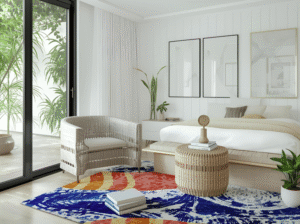

Kashmir’s global reputation as a hub for authentic hand-knotted carpets is built on centuries of tradition. The intricate art of weaving, passed down through generations of skilled artisans, produces floor coverings that are more than just decor—they are masterpieces of cultural heritage. These rugs, known for their vibrant colors and detailed patterns, bring a story of history and craftsmanship into any home.
This guide is your comprehensive resource for finding these treasures. We will explore the artisan hubs where these carpets are born, navigate bustling markets, identify trusted online sources, and provide essential insights on pricing and authenticity. Whether you’re a seasoned collector or a first-time buyer, this post will help you source a genuine hand-knotted carpet from Jammu & Kashmir.
Why Jammu & Kashmir for Hand-Knotted Carpets?
The legacy of carpet weaving in Jammu & Kashmir dates back to the Mughal era, when Persian artisans introduced their craft to the valley. This rich history is woven into every piece. The region’s artisans are renowned for their meticulous craftsmanship, using high-quality materials like pure silk and wool, often colored with natural dyes derived from local plants and minerals.
A key characteristic of these carpets is their high knot count, or knots per square inch (KPSI), which allows for incredibly detailed and complex designs. These patterns are often inspired by the region’s natural beauty, Mughal art, Persian motifs, and unique Kashmiri heritage, making each carpet a true work of art.
Types of Hand-Knotted Rugs in Jammu & Kashmir
The valley offers a diverse range of hand-knotted rugs, each with its own unique characteristics:
- Pure Silk Carpets: World-renowned for their luxurious sheen, softness, and intricate designs. These are often considered heirloom pieces due to their exceptional quality.
- Silk-on-Silk Hand-Knotted Rugs: Both the warp and weft are made of silk, resulting in a dense, fine, and highly detailed carpet that feels incredibly soft.
- Wool-Silk Blend Carpets: Combining the durability of wool with the lustrous finish of silk, these rugs offer a balance of practicality and elegance.
- Pure Wool Hand-Knotted Rugs: Known for their resilience and warmth, wool carpets are a popular choice for high-traffic areas. They are durable, comfortable, and feature rich, earthy tones.
- Custom Hand-Knotted Carpets: Many artisans in the valley offer bespoke services, allowing you to commission a carpet with a specific design, size, and color palette.
Where to Source Hand-Knotted Rugs in J&K
Finding an authentic Kashmiri carpet requires knowing where to look. Here are the best places to source hand-knotted rugs directly from the heart of the craft.
Srinagar – The Carpet Capital
Srinagar is the epicenter of Kashmir’s carpet industry. Areas like Downtown Srinagar, Nigeen, and Hazratbal are home to master weavers and artisan families who have been in the trade for generations. Here, you can visit workshops to see the weaving process firsthand and purchase pure silk and wool carpets directly from the source.
Budgam & Ganderbal – Craft Clusters
The districts of Budgam and Ganderbal are dotted with traditional weaving workshops. These craft clusters are known for producing high-quality wool and silk carpets. Visiting these areas offers an opportunity to connect with artisans and find unique pieces that reflect generations of skill.
Anantnag & Baramulla Regions
For those looking for authentic yet more affordable options, the weaving clusters in Anantnag (also known as Islamabad) and Baramulla are excellent destinations. Artisans here primarily produce wool and silk-blend carpets that maintain a high standard of craftsmanship.
Government Emporiums & Cooperatives
For buyers seeking certified quality, government-recognized emporiums are a reliable choice. The J&K Handicrafts Department Emporium and the Government Arts Emporium feature carpets from certified vendors, ensuring authenticity and fair trade practices. These outlets provide a secure way to purchase genuine hand-knotted carpets.
Local Markets in Jammu
While the craft is centered in Kashmir, Jammu also has markets where you can find carpets sourced from weavers. Gandhi Nagar Market and Raghunath Bazaar are home to stores that offer a good selection of Kashmiri carpets.
Online Stores
For those unable to travel, several online platforms offer authentic hand-knotted rugs from Kashmir.
- The Ambiente: Specializes in handpicked silk and wool hand-knotted carpets sourced directly from master weavers in Kashmir, ensuring quality and authenticity.
- Trusted E-commerce Platforms: Other reputable online stores showcase certified Kashmiri craftsmanship, providing a convenient way to browse and buy from home.
Price Range of Hand-Knotted Rugs
The price of a Kashmiri hand-knotted carpet depends on several factors: material, knot count (KPSI), design complexity, size, and the time it took to weave.
- Material: Pure silk carpets are the most expensive due to the cost of the material and the fine detail they allow. Wool carpets are generally more affordable.
- Knot Count: A higher KPSI means a more intricate and durable rug, which significantly increases its value.
- Design & Size: Larger rugs and those with complex, detailed patterns command higher prices.
A small, simple wool rug might start around ₹20,000, while a large, intricate pure silk carpet can cost upwards of ₹5,00,000 or more. These rugs are considered heirloom investments that appreciate in value over time.
How to Identify an Authentic Kashmiri Carpet
With many imitations on the market, it’s crucial to know how to spot a genuine hand-knotted piece.
- Check the Knot Count: Higher KPSI indicates better quality. Ask the seller for this information.
- The Flip Test: Turn the rug over. On a hand-knotted carpet, the design on the back should be a clear mirror image of the front. Machine-made rugs often have a less distinct or covered backing.
- Material Test: Pure silk has a unique luster and feels cool to the touch. Viscose, a common imitation, feels warmer and lacks the same rich sheen.
- Certifications: Look for a Geographical Indication (GI) tag or other certifications that verify the rug’s origin and authenticity.
Start Your Journey with The Ambiente
At The Ambiente, we honor the rich tradition of Kashmiri weaving by sourcing our carpets directly from the region’s most talented master weavers. Our collection is handpicked to ensure every piece meets the highest standards of quality and authenticity.
- Direct Sourcing: We work closely with artisan families, supporting their craft and ensuring fair compensation.
- Authenticity Guarantee: All our products are certified, so you can be confident you are purchasing a genuine hand-knotted carpet.
- Curated Collections: We offer a stunning range of silk, wool, and silk-blend rugs to suit any interior style.
- Customization: Our team can help you create a custom carpet tailored to your specific design vision.
- Pan-India Shipping: We deliver these timeless pieces to homes across India with trusted quality assurance.
Bring Home a Piece of Heritage
Sourcing a hand-knotted carpet from Jammu & Kashmir is an opportunity to acquire a beautiful piece of art and support a centuries-old tradition. By choosing a genuine, certified carpet, you are investing in a story of craftsmanship that will enrich your home for generations.
Ready to find the perfect rug for your space? Explore The Ambiente’s curated collection of hand-knotted Kashmiri rugs and let us deliver a piece of this timeless tradition to your doorstep.
Frequently Asked Questions
How can I verify the authenticity of a hand-knotted silk rug from Jammu & Kashmir?
Check the back of the rug for a clear, mirrored design, confirm the high knot count (KPSI), and perform a material test to distinguish real silk from synthetic alternatives. Always ask for a certificate of authenticity or a GI tag.
What are the typical designs and motifs found in Kashmiri silk rugs?
Common motifs include the ‘Tree of Life,’ floral patterns inspired by the local landscape, paisley designs, and intricate geometric patterns derived from Persian and Mughal art.
What makes silk rugs from Jammu & Kashmir different from those made in other regions?
Kashmiri silk rugs are distinguished by their exceptionally high knot density, the use of pure mulberry silk, and unique designs that reflect the region’s rich cultural and natural heritage. The craftsmanship has been passed down through generations, resulting in unparalleled quality.
How does buying a silk rug from Jammu & Kashmir support local artisans?
Purchasing authentic rugs directly from weavers or through ethical sources like The Ambiente provides a sustainable livelihood for artisan communities. It helps preserve their traditional craft and ensures they receive fair compensation for their incredible skill.