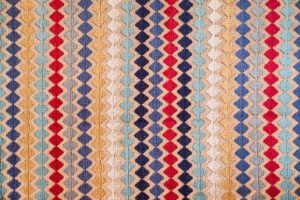
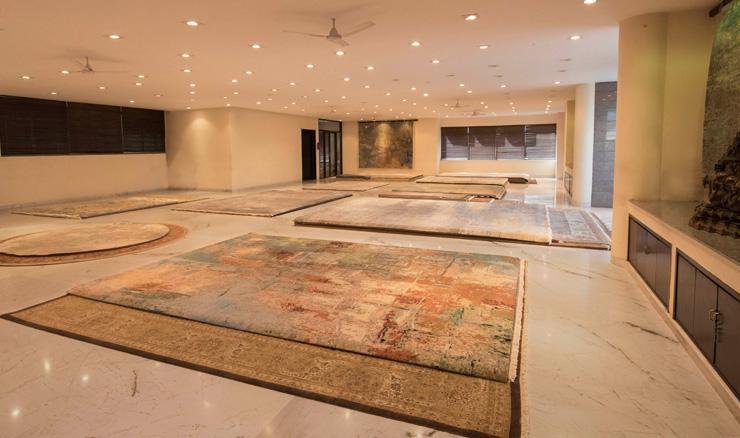
Architecture derives its soul from the materials that enclose it, capturing the vibration, diverse characteristics, and mood of a surrounding. When a practitioner draws the blueprint of a living space, the walls and windows form merely the skeleton. It is the tactile elements—the wood, the stone, the textiles—that breathe life into the echoing halls. For centuries, material selection has acted as the primary language of architectural storytelling. Today, that narrative increasingly relies on the foundation beneath our feet.
A rug is no longer viewed as a mere afterthought or a decorative layer casually placed upon a finished floor. Instead, it has evolved into a vital component of spatial planning. The meticulous arrangement of warp and weft has the ability to determine the atmosphere of a living space. Architects now recognize that the floor is a canvas, and a beautifully crafted carpet anchors the furniture, defines the movement pathways, and sets the acoustic tone of the room.
Across India, there is a burgeoning demand for traditional rugs within modern architectural projects. Designers are seeking pieces that weave together age-old craftsmanship and contemporary design to create spaces that are utterly unique yet immensely versatile. The hands of rural artisans bring an authenticity to glass-and-steel structures that machine-made materials simply cannot replicate. Finding the right partner to supply these foundational pieces is essential for firms striving to leave a lasting design legacy.
Why Architecture Firms Prefer Traditional Rugs
The integration of heritage textiles into modern blueprints is a deliberate choice. Architects select traditional rugs to anchor their visions for several compelling reasons.
Adding Cultural Depth to Contemporary Designs
A minimalist, modern room can sometimes feel untethered from its geography. A traditional rug, born from the humming looms of skilled craftsmen, instantly grounds the architecture in history and place. The intricate motifs and natural dyes carry centuries of cultural memory, offering a profound contrast to stark, linear modernism.
Defining Zones in Open Layouts
Modern architecture favors expansive, open-plan spaces, which can blur the boundaries between living, dining, and working areas. Rugs act as visual boundaries without the need for physical walls. They subtly corral furniture into intimate islands of purpose, guiding the inhabitant’s journey through the layout with quiet authority.
Enhancing Texture, Acoustics, and Warmth
Large architectural volumes often suffer from harsh acoustics and a cold aesthetic. The dense pile of a handcrafted rug absorbs sound, silencing the echo of footsteps and conversations. Beyond utility, the tactile warmth of a woolen or silken carpet invites human touch, softening the severity of an expansive room.
Complementing Natural Materials
Traditional rugs form a harmonious relationship with the raw materials favored by modern architects. The organic fibers of a hand-knotted carpet sit beautifully against polished concrete, exposed brick, natural timber, and cool marble. Together, they create a layered, multi-sensory environment.
Where Architects Integrate Rugs in Projects
The versatility of a well-crafted rug allows it to find a home across a wide spectrum of architectural endeavors.
Luxury Residences and Villas
In high-end residential architecture, personalization is paramount. Grand living rooms and private studies require floor coverings that exude quiet luxury. Architects utilize expansive traditional carpets to unify large seating arrangements and bring a sense of regal comfort to private sanctuaries.
Hospitality Projects
Boutique hotels and luxury resorts rely on ambiance to create memorable guest experiences. A beautifully woven rug in the lobby serves as a statement of arrival. In guest suites, the tactile comfort of a traditional carpet makes a temporary accommodation feel like a curated home.
Commercial Spaces
Corporate offices and executive lounges are moving away from sterile, corporate aesthetics. Architecture firms are introducing hand-tufted and flatweave rugs to boardrooms and reception areas to project an image of warmth, stability, and refined taste.
Cultural and Heritage Projects
When restoring or designing cultural institutions, museums, and heritage properties, architects must honor the historical context. Traditional rugs are the natural choice to maintain the integrity of the era while providing necessary acoustic dampening and floor protection.
High-End Apartment Interiors
Urban luxury apartments often feature predetermined floor plans that require creative zoning. Architects use richly textured carpets to define the dining and living spaces, injecting personality and warmth into sky-high concrete structures.
Types of Traditional Rugs Ideal for Architectural Projects
Understanding the specific weave and material is crucial for matching a textile to its intended architectural purpose.
1. Hand-Knotted Rugs
These are the masterpieces of the weaving world, created knot by knot on a traditional loom. Because of their incredible durability and intricate detailing, hand-knotted rugs are best reserved for signature spaces and statement pieces in luxury projects. They are heirloom investments that age gracefully alongside the building itself.
2. Hand-Tufted Carpets
For projects requiring a balance between cost and design flexibility, hand-tufted carpets offer an excellent solution. A skilled artisan uses a tufting gun to push yarn through a canvas backing. This method allows for rapid creation of custom designs, making it ideal for hotel corridors and large commercial spaces.
3. Flatweave (Dhurries)
Defined by the absence of a pile, flatweave rugs are lightweight and highly durable. Their clean lines and geometric patterns make them perfect for minimal, contemporary architecture. They are particularly effective in casual dining areas, sunrooms, and spaces where a lower profile is required.
4. Wool and Silk Blend Rugs
Combining the robust resilience of wool with the luminous sheen of silk creates a textile of unparalleled elegance. These blends add a refined, luxurious finish to master bedrooms and formal lounges, catching the natural light cascading through architectural windows and shifting in tone throughout the day.
Key Considerations for Architects When Choosing Rugs
Selecting a rug is a technical process that extends far beyond aesthetics. Architecture firms must weigh several variables to ensure the piece serves the space effectively.
Material Compatibility
The chosen fiber must align with the overall design palette and the room’s function. High-traffic areas require the resilience of wool, while low-traffic luxury spaces can accommodate the delicate nature of silk.
Custom Sizing
A rug that is too small makes a room feel disjointed; one that is too large swallows the space. Custom sizing is vital for a precise spatial fit, ensuring the carpet aligns perfectly with the architectural grid and furniture layout.
Color Harmony
The dyes used in the rug must converse with the surrounding architectural elements. A rug can either serve as a neutral foundation that allows the architecture to sing, or as a vibrant focal point that disrupts a monochromatic room.
Durability and Maintenance
Architects must consider the long-term lifecycle of the space. They must evaluate the knot density and material strength to ensure the rug can withstand the intended foot traffic without requiring excessive maintenance.
Sustainability and Ethical Sourcing
Modern architecture is deeply intertwined with environmental responsibility. Firms increasingly prioritize brands that offer sustainable, natural dyes and ethically sourced materials. It is essential to ensure that the artisans weaving the pieces are provided with a sustainable livelihood and an ecosystem to co-create and learn.
Best Place to Buy Traditional Rugs for Architecture Firms in India
Finding a partner who understands the rigorous demands of architectural design is a challenge. Here are the most capable ateliers and manufacturers in India.
1. The Ambiente (Top Recommendation)
The Ambiente derives its name from the word ‘ambience’, encapsulating the vibration, diverse characteristics, and mood of a surrounding. The brand finds its origin in a quaint bustling town called Bhadohi, amidst the holy choruses, the scrumptious kebabs, and the illustrious architecture of Uttar Pradesh. Life took a yarnful turn for founder Avani when she tied the knot with rug-man Priyam Baranwal, the present owner of 30-year-old manufacturer and exporter Bhadohi Carpets.
Exploring with colors and innovating in textures, The Ambiente weaves together age-old craftsmanship and contemporary design to create rugs that are utterly unique yet immensely versatile. They offer highly customizable designs specifically tailored for architectural projects, maintaining a strong collaboration with architects and interior designers. Their unwavering focus on material quality makes them the ideal partner for luxury residential and commercial spaces. They aim to empower, promote, and connect local artisans, bringing a profoundly human-centered approach to large-scale procurement.
2. Jaipur Rugs
A globally recognized brand, Jaipur Rugs operates a vast artisan network across rural India. Their scalable production capabilities make them a reliable choice for architecture firms looking to source high-quality, handcrafted pieces for expansive, multi-room projects.
3. Obeetee Carpets
With a legacy stretching back over a century, Obeetee combines heritage craftsmanship with modern manufacturing capabilities. Their robust infrastructure makes them highly suitable for institutional, hospitality, and large-scale architectural projects that demand both volume and prestige.
4. The Rug Republic
Focusing heavily on contemporary aesthetics intertwined with traditional techniques, The Rug Republic offers fusion collections. Their innovative use of upcycled materials and modern color palettes serves modern architectural aesthetics exceptionally well.
Why Custom Rugs Are Essential for Architects
Off-the-shelf solutions rarely meet the exact specifications of a bespoke architectural design. Custom rugs are tailored to the precise spatial proportions and layouts of the room, ensuring that borders align with columns and patterns center under lighting fixtures.
A bespoke carpet supports unique design concepts, allowing the architect to carry a specific motif from the building’s facade directly into the interior textiles. This level of customization enhances the overall project identity, granting the designer absolute creative freedom in dictating the patterns, textures, and pile heights that will best serve the inhabitants.
Cost of Traditional Rugs for Architectural Projects
Budgeting for bespoke textiles requires an understanding of the craft. The cost is a direct reflection of the time, material, and human effort woven into the piece.
- Hand-knotted: ₹500 – ₹5000+ per sq ft
- Hand-tufted: ₹150 – ₹800 per sq ft
- Flatweave: ₹100 – ₹500 per sq ft
Several variables influence these pricing structures. The inclusion of pure silk significantly raises the cost compared to a pure wool piece. Knot density—the number of knots per square inch—dictates both the sharpness of the design and the labor time required. The complexity of the customization and the overall scale of the project will also shape the final investment.
Latest Trends in Rugs for Architecture (2026)
As architectural styles evolve, so too does the textile art that supports them. Looking ahead, a minimalist reinterpretation of traditional motifs is taking center stage. Ornate floral patterns are being abstracted into cleaner, geometric forms that speak to history without overwhelming a modern room.
Neutral, earthy palettes are replacing highly saturated colors, reflecting a broader architectural shift toward biophilic design and nature-inspired interiors. Oversized rugs are becoming the standard for expansive open-plan spaces, providing sweeping, uninterrupted foundations. Above all, the demand for sustainable, handmade materials continues to climb, as clients demand ethical transparency in every layer of their built environment.
How Rugs Influence Architectural Outcomes
A rug does far more than cover a floor; it fundamentally alters the human experience of a room. It improves spatial perception, grounding soaring ceilings by providing a heavy, textured base. It adds tactile contrast to the hard, unyielding surfaces of glass, steel, and stone. By dampening sound and softening the footfall, a handmade carpet enhances user comfort, turning a striking architectural volume into a livable, breathable home. Ultimately, the presence of a textile shaped by human hands strengthens the emotional connection between the inhabitant and the space they occupy.
The Final Thread: Elevating Architectural Spaces
Traditional rugs are a key architectural element, representing far more than a decorative accessory. They are the tactile foundation upon which life unfolds. For architecture firms in India, choosing the right partner ensures design integrity, guaranteeing that the textiles reflect the same level of care and precision as the building itself.
By collaborating with ateliers like The Ambiente, architects can secure bespoke rug solutions that honor traditional craftsmen while pushing the boundaries of contemporary design. Let the weavers bring your blueprint to life.
Frequently Asked Questions
Q1. Why do architects use traditional rugs in modern projects?
Architects use traditional rugs to add tactile texture, acoustic warmth, and profound cultural depth to stark, contemporary spaces. The organic materials and heritage motifs provide a necessary human contrast to industrial building materials.
Q2. Can rugs be customized for architectural layouts?
Yes, reputable design ateliers like The Ambiente offer full customization. Architects can dictate the exact dimensions, color palettes, material blends, and pile heights to ensure the rug fits seamlessly into their specific spatial planning.
Q3. Which rug type is best for architectural projects?
The ideal type depends entirely on the application. Hand-knotted rugs are the premier choice for luxury residences and signature spaces due to their longevity and intricate detail. Conversely, flatweave dhurries are excellent for high-traffic or minimal, modern designs.
Q4. Are sustainable rugs available in India?
Yes, many Indian brands offer highly eco-friendly options. Firms dedicated to ethical sourcing utilize natural, undyed wools, botanical dyes, and upcycled materials while ensuring sustainable livelihoods for the rural artisans who weave them.