
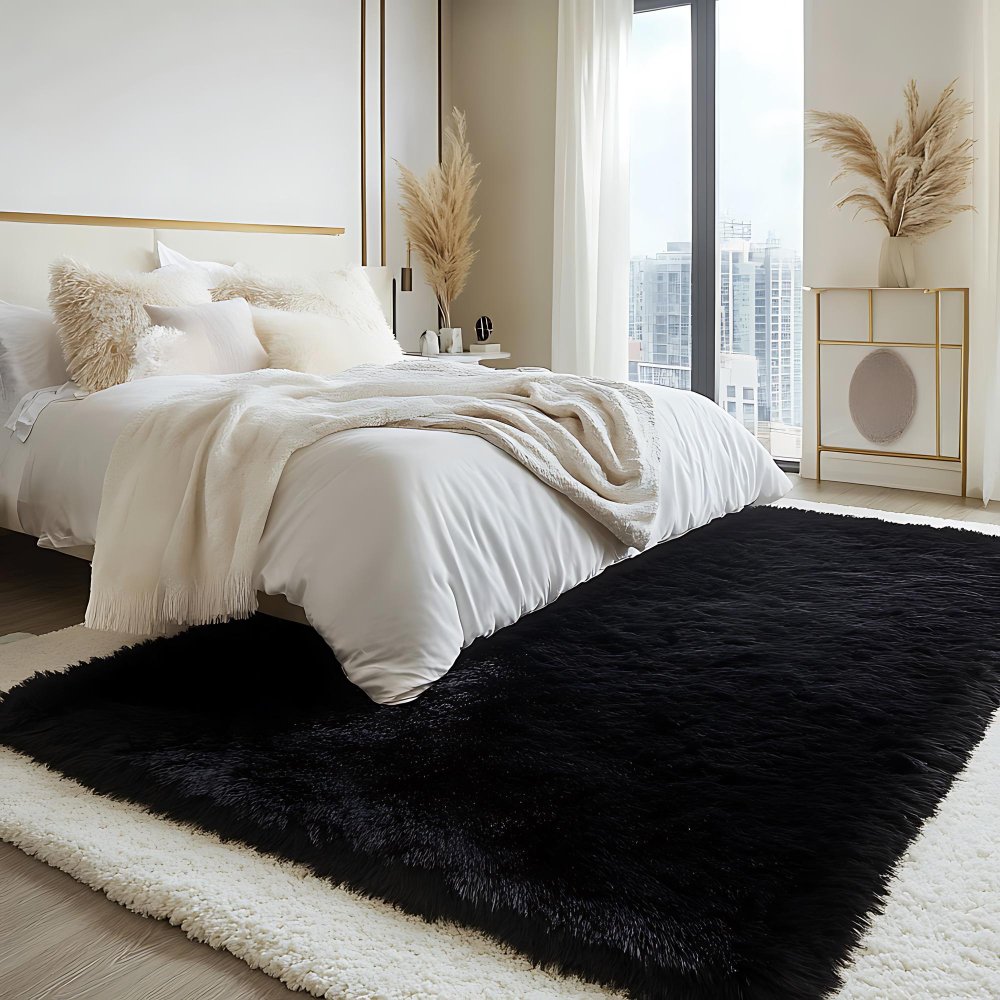
India’s weather is as diverse as its culture. From the scorching dry heat of Rajasthan to the intense humidity of Mumbai and the chilly winters of the North, the climate plays a significant role in how we design our homes. While we often think about paint or furniture durability, flooring and rugs are frequently overlooked in this equation.
Choosing the right rug isn’t just about aesthetics; it’s about functionality. A thick, plush rug might look luxurious, but in a humid coastal city, it can trap moisture and heat, becoming uncomfortable and prone to mold. Conversely, a thin cotton dhurrie might feel too stark during a Delhi winter.
As we move into 2026, sustainable and climate-smart home decor is taking center stage. Homeowners are looking for investments that last, look good, and feel right underfoot regardless of the temperature outside. This guide will walk you through the best rug materials specifically suited for the Indian climate, helping you make a choice that balances style with practicality.
Key Factors to Consider for Indian Climate
Before diving into specific materials, it is important to understand why the Indian environment demands careful selection. The lifespan of your rug depends heavily on how well it interacts with three main elements.
Heat & Humidity
In many parts of India, temperatures soar above 40°C (104°F). Materials that retain heat can make a room feel stifling. Humidity is an even bigger culprit; natural fibers that absorb too much moisture without drying out can develop musty odors or fungal issues. Breathability is essential for a rug in tropical zones.
Dust & Pollution
Let’s be realistic: dust is a constant battle in most Indian cities. High-pile rugs (those with long, shaggy fibers) act like dust magnets and are notoriously difficult to clean. For urban Indian homes, low-pile or flat-weave rugs are often the more hygienic choice as they don’t trap allergens and fine particulate matter.
Seasonal Changes
While the South sees a relatively consistent tropical climate, the North experiences extreme shifts. A versatile rug needs to offer coolness during the long summer months while providing a layer of insulation when temperatures drop in December and January.
Top Rug Materials for Indian Homes
Here is a breakdown of the most popular materials available in the market and how they fare in local conditions.
Wool Rugs
Wool is the gold standard for quality rugs. Despite being associated with warmth, wool is actually an excellent temperature regulator. It naturally repels water and dirt due to the lanolin coating on the fibers. High-quality hand-knotted wool rugs are durable and spring back into shape even after heavy foot traffic. They are excellent for North Indian winters but are breathable enough for moderate summers.
Cotton Rugs
Cotton is perhaps the most practical choice for the hot Indian summer. These rugs (often found as Dhurries) are lightweight, inexpensive, and easy to wash. They don’t trap heat and feel cool underfoot. However, they are less durable than wool and may slip easily without a rug pad.
Jute Rugs
Jute is a natural fiber that is gaining massive popularity for its eco-friendly credentials and rustic aesthetic. It is incredibly durable and perfect for high-traffic areas. Being a plant fiber, it doesn’t trap heat, making it ideal for hot climates. However, jute is absorbent, so it should be kept away from bathrooms or areas prone to spills.
Silk Rugs
If you are looking for sheer luxury, silk is the answer. It has a beautiful sheen and a soft texture that synthetic fibers cannot replicate. However, silk is delicate. It is best suited for low-traffic areas or decorative purposes (like wall hangings) rather than busy living rooms, especially in dusty environments where cleaning can be a challenge.
Synthetic Fiber Rugs
Materials like polypropylene, nylon, and polyester are engineered to be tough. They are stain-resistant, fade-resistant, and often moisture-resistant, making them great for humid areas or homes with pets and kids. While they lack the premium feel of wool or silk, they are highly practical for the rough-and-tumble of daily Indian life.
Natural vs Synthetic Rug Materials
The debate between natural and synthetic often comes down to budget and lifestyle.
Natural Materials (Wool, Silk, Jute, Cotton):
- Pros: Biodegradable, luxurious feel, ages well, better temperature regulation.
- Cons: Higher price point, requires specialized cleaning, can be sensitive to moisture (mildew risk).
Synthetic Materials (Nylon, Polyester):
- Pros: Affordable, extremely durable, easy to clean, resistant to mold and mildew.
- Cons: Not eco-friendly, can retain heat, fibers may flatten over time, lacks the “heirloom” quality.
Best Materials by Season
Summer
During the scorching months, you want materials that breathe. Cotton and Jute are the winners here. They provide a barrier between your feet and the floor without adding warmth to the room. Flat-weaves are preferable to thick piles.
Monsoon
Humidity is the enemy during the monsoon. Synthetic rugs (like polypropylene) are excellent because they don’t absorb moisture. If you prefer natural fibers, Bamboo or tightly woven Seagrass are good options as they resist mold better than thick wool.
Winter
For the chillier months, insulation is key. Wool is the undisputed champion for winter. A thick, hand-tufted or hand-knotted wool rug creates a cozy, warm zone in living rooms and bedrooms, preventing the cold from seeping up from marble or tile floors.
Best Rug Materials by Room
- Living Room: This area sees the most guests and foot traffic. Wool is ideal for durability and style. If you are on a budget, a high-quality Synthetic blend works well.
- Bedroom: Comfort is priority #1. Silk or a Wool-Silk blend offers a soft landing for your feet in the morning. High-pile wool (shag) is also a cozy option here.
- Dining Room: Spills are inevitable. Flat-weave Wool or Synthetic rugs are best because chairs slide easily over them and they are easier to clean than high-pile options.
- Kids Room: Durability and stain resistance are non-negotiable. Cotton (washable) or Polypropylene (stain-resistant) are the smartest choices.
Durability & Maintenance Comparison
- High Durability: Wool, Nylon, Jute. (Best for hallways, living rooms).
- Medium Durability: Polyester, Cotton. (Best for bedrooms, guest rooms).
- Low Durability: Silk, Viscose. (Best for decorative low-traffic zones).
Maintenance Tip: In dusty Indian cities, vacuuming twice a week is recommended for all rug types. For wool and silk, professional cleaning once a year helps maintain the fiber’s integrity.
Allergy-Friendly Rug Materials
For homes with allergy sufferers, the goal is to avoid materials that trap dust mites and dander.
- Wool: Surprisingly, wool is hypoallergenic. Its pockets trap dust, preventing it from floating in the air, but release it easily when vacuumed. It also resists bacteria growth.
- Jute/Sisal: These hard fibers have no pile for dust to hide in.
- Avoid: High-pile shaggy rugs made of cheap synthetic blends, which can trap allergens deep in the fibers.
Sustainable Rug Material Choices
As we look toward 2026, sustainability is crucial.
- Recycled PET: These rugs look and feel like wool but are made from recycled plastic bottles. They are waterproof and save plastic from landfills.
- Organic Jute & Hemp: Rapidly renewable resources that require little water to grow and are fully biodegradable.
- Ethically Sourced Wool: Look for certifications that ensure the wool is sourced without harming the sheep.
Where to Buy Quality Rugs by Material Online in India
Finding the right material is only half the battle; finding a trusted seller is the other.
The Ambiente
Based in Delhi with roots in Bhadohi (India’s carpet hub), The Ambiente offers a curated selection of premium handmade rugs. Whether you need a temperature-regulating wool masterpiece or a lightweight cotton dhurrie, their collection blends traditional craftsmanship with modern design. They support over 4,000 artisans, ensuring that every purchase supports sustainable livelihoods.
Other Trusted Sources
While platforms like Amazon or Flipkart offer budget synthetic options, specialized decor brands usually provide better quality natural fibers. Always check the material composition label before buying online to ensure you aren’t paying wool prices for synthetic blends.
Price Guide by Material
- Budget: Cotton Dhurries, Jute, Polypropylene.
- Mid-Range: Hand-tufted Wool, Wool-Synthetic blends, Bamboo Silk.
- Premium: Hand-knotted Wool, Pure Silk, Antique rugs.
Common Mistakes to Avoid
- Choosing Viscose for High Traffic: Viscose looks like silk but is very fragile. One spill can ruin the texture permanently. Avoid it in dining rooms or entryways.
- Ignoring Pile Height: In a dusty city like Delhi or Mumbai, a thick shag rug will hold dust. Stick to medium or low pile for easier maintenance.
- Choosing Wrong Material for Humidity: Putting a thick, non-breathable rug in a bathroom or damp basement will lead to mold growth. Stick to synthetics or cotton in these zones.
FAQs
Which rug material is best for hot climate?
Cotton and Jute are excellent for hot climates. They are breathable, do not retain heat, and feel cool underfoot. Flat-weave wool is also a good option as it regulates temperature well.
Are wool rugs good for India?
Yes, absolutely. Wool is highly durable and naturally repels dirt. It insulates against the cold in North Indian winters but is breathable enough for the rest of the year. It is a great investment piece for Indian homes.
Which material is easiest to clean?
Synthetic materials like Polypropylene and Nylon are the easiest to clean as they are stain-resistant. Cotton rugs are also easy as many small ones can be machine washed.
Are jute rugs suitable for bedrooms?
Jute rugs add a lovely texture to bedrooms, but they can feel a bit rough underfoot compared to wool. If you want softness, look for a Jute-Cotton blend or layer a smaller soft rug over a large jute area rug.
Final Thoughts
Selecting the right rug for your home in India is about balancing the beauty of the design with the reality of the climate. By choosing materials that can withstand the heat, humidity, and dust—like high-quality wool, practical cotton, or durable jute—you ensure your investment lasts for years to come.
Ready to find the perfect rug that suits your style and the Indian climate? Explore the bespoke and ready-to-ship collections at The Ambiente. With 30+ years of expertise and a commitment to authentic craftsmanship, we help you weave a new story into your home.