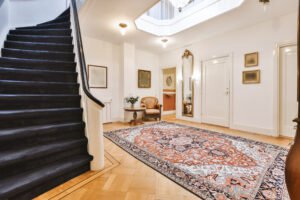

Choosing the right rug becomes much easier when you approach it systematically—by room, style, color, material, and size. This guide walks you through each step and introduces The Ambiente, a Delhi-based luxury rug atelier backed by 30+ years of craftsmanship expertise, to help you shop with confidence.
Shopping for rugs online should feel exciting. You’re investing in something that anchors your entire room—something people notice the moment they walk in. But between the endless scroll of patterns, the competing color palettes, the unfamiliar material names, and the sizing confusion, what should be a joyful experience quickly becomes exhausting.
You’re not alone in feeling this way. The sheer volume of options available to today’s rug shopper is staggering. And without a clear framework, even the most design-savvy homeowner can end up paralyzed by choice—or worse, settling for something that doesn’t quite work.
This guide cuts through the noise. It gives you a structured, room-by-room, style-by-style approach to narrowing down your options and choosing a rug you’ll love for years. Along the way, you’ll learn how The Ambiente—a design-led rug atelier rooted in Bhadohi, India’s handmade carpet capital—makes this process far simpler through curated luxury collections, bespoke rug solutions, and expert design consultation.
Whether you’re furnishing a new home, refreshing a single room, or looking for a statement piece that transforms a space, this guide is built for you.
Why Too Many Choices Can Make Rug Shopping Feel Overwhelming
The problem isn’t that you don’t know what you want. The problem is that the modern online rug market makes it almost impossible to find it quickly.
Decision fatigue is real. When you’re presented with hundreds of similar-looking options, your brain’s ability to evaluate each one diminishes rapidly. By the time you’ve scrolled past the fiftieth rug, your judgment is compromised. You’re more likely to make a rushed choice—or give up entirely.
Information overload compounds the issue. Pile-height, GSM, hand-tufted versus hand-knotted, flatweave versus loop pile—without clear guidance, these terms feel like a foreign language. Most product descriptions assume prior knowledge the average buyer simply doesn’t have.
Then there’s the fear of choosing wrong. A rug is a significant purchase, both financially and aesthetically. Getting the color wrong, or underestimating the size, can throw off an entire room. That fear of committing to the wrong choice keeps many buyers in perpetual browsing mode.
Finally, time. Most people don’t have hours to spend comparing rugs. They have busy lives, deadlines, and homes that need furnishing now—not after a two-week research spiral.
The solution isn’t more options. It’s a smarter starting point.
Start With the Room You’re Decorating
Before you consider color, pattern, or price, think about where the rug is going. Each room has distinct functional and aesthetic requirements, and starting with the room immediately eliminates a large portion of irrelevant options.
What Makes a Great Living Room Rug?
The living room is typically the largest and most visible space in the home, which means the rug you choose here does a lot of heavy lifting. Large statement rugs work best—they define the seating area, anchor the furniture, and set the visual tone of the room.
Look for neutral and contemporary designs if you want flexibility. A warm ivory, soft grey, or textured beige rug can work with almost any sofa, wall color, or décor update you make over the years. If your interiors are already bold, a more understated rug creates balance. If you have a minimal palette, a patterned or textured rug adds depth.
Which Rug Is Best for a Bedroom?
Bedrooms call for softness—both visually and underfoot. The priority here is texture. High-pile wool rugs, plush hand-knotted pieces, and silk-blend rugs feel luxurious the moment you step out of bed in the morning.
For color, lean toward warm, calming tones: dusty pinks, muted terracottas, deep taupes, or soft sage greens. These shades promote relaxation and complement the natural light most bedrooms receive in the morning.
Placement matters too. A rug that extends generously on either side of the bed—rather than one tucked entirely underneath it—creates a cohesive, intentional look.
How Should You Choose a Dining Room Rug?
The dining room is one of the most demanding environments for a rug. Spills happen. Chairs drag. Foot traffic is constant. Material durability should be your primary concern here.
Flatweave rugs and densely woven wool rugs perform exceptionally well in dining settings. They’re easy to clean, hold their structure under heavy furniture, and resist crushing over time.
Sizing is equally critical. Always ensure your rug is large enough that dining chairs remain on the rug even when pulled out. A rug that’s too small makes the furniture look like it’s floating—one of the most common (and easily avoidable) design mistakes.
What Works Best for Hallways and Entryways?
Runners are the obvious choice for hallways, but don’t let practicality limit your thinking. A well-chosen entryway rug is the first thing guests see—make it count.
Look for stylish runners in geometric patterns, traditional motifs, or bold stripes. Prioritize high-traffic durability: flatweave constructions, hand-knotted wool, or natural fiber blends will withstand daily footfall while maintaining their appearance.
How Do You Match a Rug to Your Interior Design Style?
Once you know the room, the next filter is style. A rug that suits your interior style will always feel right, regardless of the specific pattern or color. Here’s how the major design styles translate into rug choices:
Modern interiors benefit from clean lines and geometric patterns. Stick to a restrained color palette—charcoal, white, slate, or warm grey—with precise, symmetrical designs.
Contemporary spaces offer more room for experimentation. Abstract patterns, mixed textures, and transitional colorways all work here. The contemporary interior borrows from both modern and traditional aesthetics, so your rug can too.
Minimalist homes call for simplicity above all. A single-color flatweave or a subtly textured solid rug in a warm neutral will complement the minimalist ethos without competing with it.
Scandinavian interiors pair beautifully with natural fiber rugs, simple Nordic patterns, and muted earth tones. Wool rugs in cream, oatmeal, and charcoal are a natural fit.
Traditional homes are where intricately hand-knotted rugs with rich botanical or medallion motifs truly shine. Deep jewel tones—navy, burgundy, forest green—feel at home in a space that honors heritage and craftsmanship.
Bohemian spaces thrive on layering, pattern mixing, and vibrant color. A vintage-style kilim, a hand-woven tribal pattern, or a richly textured flatweave adds warmth and personality without formality.
Luxury classic interiors deserve rugs that reflect their elegance. Hand-knotted silk or bamboo silk rugs, with intricate detailing and a luminous sheen, are the natural choice for formal drawing rooms, grand foyers, and high-end hotel-style bedrooms.
How Do You Narrow Your Rug Choices by Color?
Color is one of the most powerful—and most misused—tools in interior design. Choosing the right rug color isn’t just about personal preference; it’s about how the rug will interact with your walls, furniture, and light.
Neutral rugs (ivory, cream, beige, grey, taupe) are the most versatile and the safest choice for most rooms. They create a calm foundation, let your furniture speak, and adapt well to seasonal décor changes.
Earth tones (terracotta, rust, olive, warm brown) add depth and organic warmth. These shades are having a significant moment in interior design and pair beautifully with natural materials like rattan, linen, and wood.
Bold colors (cobalt, emerald, mustard, burgundy) work best as intentional statements. If your room is largely neutral, one richly colored rug can instantly elevate the space. The key is committing—a bold rug in a half-hearted room always looks like an accident.
Monochrome interiors benefit from tonal variation through texture rather than hue. A white or off-white rug with a raised pile or woven pattern adds visual interest without breaking the color discipline.
Multi-color statement rugs allow you to pull colors from the rug into your cushions, curtains, and artwork—effectively letting the rug lead the room’s entire palette. This approach requires confidence but delivers remarkable results.
A practical rule: always view rug samples in your actual space, under your actual lighting, before committing to a color. Colors behave differently in natural daylight versus warm artificial light.
How Do You Choose the Right Rug Material?
Material determines how a rug looks, feels, performs, and ages. Here’s a clear breakdown to help you match material to purpose:
| Material | Best For | Key Benefits |
|---|---|---|
| Wool | Living rooms, bedrooms | Durable, soft, naturally stain-resistant |
| Bamboo Silk | Luxury interiors | Elegant sheen, smooth texture, sustainable |
| Silk | Statement spaces, formal rooms | Premium finish, extraordinary detail |
| Cotton | Casual spaces, children’s rooms | Lightweight, easy to clean, affordable |
| Hand-Knotted | Luxury, long-term investment | Exceptional durability, heirloom quality |
| Flatweave | High-traffic areas, dining rooms | Low maintenance, reversible, versatile |
Wool remains the gold standard for most residential settings. It’s naturally resilient, regulates temperature, and develops a beautiful patina over time.
Bamboo silk offers the visual elegance of traditional silk with better durability and a lower environmental footprint—an excellent choice for luxury spaces where sustainability matters.
Hand-knotted rugs represent the pinnacle of rug craftsmanship. Each knot is tied individually by hand, resulting in extraordinary structural integrity. A quality hand-knotted rug, properly maintained, can last generations.
Size Matters More Than You Think
Poor sizing is the single most common rug mistake—and also one of the easiest to avoid with a little planning.
Common mistakes to avoid:
- Choosing a rug that’s too small, leaving furniture floating on bare floor
- Placing only front legs of sofas on the rug (this creates visual imbalance)
- Ignoring the visual weight of the rug relative to the room’s proportions
For living rooms: The ideal approach is to either have all furniture legs on the rug, or front legs only—with the rug large enough to create a defined seating zone. A 9×12 ft rug suits most standard living rooms.
For bedrooms: Aim for a rug that extends at least 18–24 inches on either side of the bed. This gives you warm flooring underfoot when you wake, and creates a visually generous frame around the bed.
For dining rooms: Add at least 24 inches to each side of your dining table dimensions. This ensures chairs remain on the rug when pulled out for seating.
Always measure before you shop—not after.
Don’t Browse Hundreds of Rugs—Use Smart Filters Instead
The antidote to decision fatigue isn’t willpower; it’s a better system.
Before you start browsing, define your parameters:
- Room – Where is the rug going?
- Size – What dimensions does the space require?
- Material – What performance characteristics matter most?
- Color – What palette works with your existing interiors?
- Pattern – Geometric, floral, abstract, plain, or traditional?
- Budget – What’s your realistic price range?
- Shape – Rectangular, round, runner, or custom?
- Style – Modern, traditional, bohemian, Scandinavian, or luxury classic?
With these eight parameters defined, you’re no longer browsing—you’re searching. And a curated collection from a brand like The Ambiente, where each rug is selected with design intent, reduces the number of genuinely relevant options further still.
Curated collections save time not just because they’re smaller, but because every piece in them has already passed a quality and design filter. You’re choosing between good options, not between good and bad ones.
Why Handmade Rugs Stand Out From Mass-Produced Alternatives
There’s a fundamental difference between a rug that’s manufactured and a rug that’s made.
Handmade rugs carry something machine-made rugs simply cannot replicate: the mark of human craftsmanship. Each hand-knotted or hand-woven rug is unique—slight variations in pile height, color absorption, and pattern density make every piece one of a kind.
Beyond aesthetics, handmade rugs are structurally superior. The density of hand-knotted construction means the rug holds its shape, its pile, and its color far longer than its machine-made counterparts. A quality handmade rug, treated with care, is genuinely a lifelong investment—and in many cases, an heirloom.
Artisan-made rugs also carry cultural significance. A rug woven by a skilled craftsperson in Bhadohi embodies centuries of technique, tradition, and regional identity. That story adds meaning to the object in a way no factory can replicate.
Increasingly, handmade rugs also represent a more ethical and sustainable purchase. When you buy from a brand that works directly with artisans—paying fair wages, supporting rural livelihoods, and prioritizing sustainable materials—your rug purchase becomes an act of conscious consumption.
How The Ambiente Simplifies Rug Shopping for Indian Homeowners
The Ambiente was founded with a clear mission: to make luxury handmade rugs accessible to Indian homes, without sacrificing craftsmanship, design integrity, or transparency.
Rooted in Bhadohi—South Asia’s largest hub of hand-knotted carpet weaving—The Ambiente draws on over 30 years of manufacturing expertise through its parent company, Bhadohi Carpets. Founded by Avani Khandelwal (MBA, MDI Gurgaon) and Ayush Baranwal, the brand brings together deep industry knowledge, contemporary design sensibility, and a genuine commitment to artisan welfare.
Here’s what sets The Ambiente apart:
- Curated luxury collections across modern, traditional, bohemian, and luxury classic styles—no endless scrolling required
- Bespoke rug solutions for homeowners, interior designers, and architects who need custom dimensions, colors, or patterns
- Handmade by skilled artisans, including over 4,000 women weavers from Bhadohi and surrounding areas
- Expert design consultation to help you make confident choices for your specific space
- Premium materials including hand-knotted wool, bamboo silk, and pure silk
- Custom sizing for any room configuration
- Personalized recommendations based on your room, style, and budget
- Nationwide delivery across India, with a flagship showroom in Sultanpur, New Delhi
Whether you’re designing a single room or furnishing an entire home, The Ambiente’s team brings the kind of expertise that turns an overwhelming choice into an obvious one.
Expert Tips Before Buying Your Next Rug
Before you make your final decision, run through this quick checklist:
- Measure your room first. Always. Every time. Don’t rely on estimates.
- Decide your interior style. A rug that doesn’t match your aesthetic will always look like an afterthought.
- Choose quality over quantity. One exceptional rug outperforms three mediocre ones.
- Focus on functionality. The most beautiful rug in the wrong material for the wrong room is still the wrong choice.
- Select timeless designs. Trend-driven rugs date quickly. Classic patterns and quality textures age beautifully.
- Think long-term. A handmade rug is an investment. Buy for the home you want, not just the one you have right now.
- Seek professional advice when needed. A 30-minute design consultation can save hours of indecision—and prevent an expensive mistake.
Why Personalization Beats Endless Browsing Every Time
The future of rug shopping isn’t more options. It’s smarter ones.
The most effective way to find your ideal rug is to approach it through the lens of your specific needs—not through an undifferentiated catalogue of thousands. The Ambiente has built its entire shopping experience around this philosophy.
Shop by room: Browse collections specifically curated for living rooms, bedrooms, dining areas, and hallways—so every option you see is already relevant.
Shop by style: Filter directly by your interior aesthetic, from Scandinavian minimalism to luxury classic, without wading through mismatched alternatives.
Shop by color: Use color-based navigation to find rugs that coordinate with your existing walls and furniture, rather than guessing from a thumbnail.
Design consultation services: For homeowners tackling complex spaces—or simply those who want expert reassurance—The Ambiente’s design consultation brings a professional eye to your specific room, ensuring the final choice is right on every dimension.
Custom rug manufacturing: When no ready-to-ship option quite fits, The Ambiente’s bespoke service creates rugs to your exact specifications: custom size, custom color, custom pattern, custom material.
This is the difference between shopping and designing—and it’s the experience The Ambiente is built to deliver.
Stop Scrolling and Start Choosing With Confidence
Choosing a rug shouldn’t mean spending hours scrolling through options that don’t quite fit. By working through the framework in this guide—room, style, color, material, size—you can move from overwhelmed to decided in a fraction of the time.
The right rug doesn’t just cover your floor. It defines the room, sets the mood, and speaks to your taste. That kind of impact deserves a considered, expert-led approach.
At The Ambiente, every collection is built on 30+ years of handmade rug expertise, a deep respect for artisan craftsmanship, and a genuine understanding of how Indian homes live and breathe. The result is a rug shopping experience that feels less like browsing and more like being guided toward something that was always the right choice.
Ready to find yours? [Explore The Ambiente’s curated collections] or [Book a free design consultation] and let their team help you choose with confidence.
Frequently Asked Questions
Why do I feel overwhelmed when shopping for rugs online?
The volume of options available on most online platforms—often thousands of SKUs—creates decision fatigue and information overload. Without clear filters or expert guidance, shoppers are left comparing superficially similar products without a meaningful framework to differentiate them. Starting with your room type, interior style, and required size immediately reduces the field to a manageable shortlist.
How can I narrow down hundreds of rug options quickly?
Define eight parameters before you begin browsing: room, size, material, color, pattern, budget, shape, and style. With these locked in, use platform filters to surface only relevant results. Better still, shop from a curated brand like The Ambiente, where collections are pre-filtered by design intent and quality—so every option you see is already worth considering.
Which rug is best for a modern living room?
For a modern living room, look for rugs with geometric patterns, clean lines, and a restrained color palette—charcoal, warm grey, ivory, or slate. Hand-knotted wool or flatweave rugs in contemporary designs work particularly well. The Ambiente’s modern collection offers several options specifically curated for this aesthetic.
What rug material lasts the longest?
Hand-knotted wool rugs offer the best combination of durability, comfort, and longevity for most residential settings. The hand-knotting technique creates a dense, structurally robust pile that holds its shape over decades. Properly maintained, a quality hand-knotted rug can last generations. Silk rugs offer extraordinary beauty but are better suited to low-traffic display areas.
Should I choose the rug before or after buying furniture?
Choosing the rug first is generally the smarter approach. A rug sets the room’s color palette and aesthetic tone, making subsequent furniture decisions easier. However, if your furniture is already in place, select a rug that complements your dominant color and material palette rather than competing with it.
Are handmade rugs worth the investment?
Yes—for several reasons. Handmade rugs are structurally superior to machine-made alternatives, lasting significantly longer when properly cared for. They’re also unique, culturally significant, and often more sustainable, particularly when sourced from brands like The Ambiente that work directly with artisan weavers. Over a 10–20 year lifespan, the cost-per-year of a quality handmade rug typically undercuts that of a cheaper, shorter-lived alternative.
Can I order a custom-sized rug?
Yes. The Ambiente offers bespoke rug manufacturing to custom dimensions, colors, and patterns. This service is particularly valuable for unusual room shapes, large-format spaces, or luxury interior projects where a standard size won’t suffice. Contact The Ambiente’s team to begin a custom order.
How do I match a rug with my interior design style?
Start by identifying your dominant interior style—modern, contemporary, minimalist, Scandinavian, traditional, bohemian, or luxury classic. Each style maps to specific rug patterns, textures, and color palettes. For example, traditional interiors pair best with hand-knotted rugs in rich botanical motifs, while Scandinavian spaces suit natural wool rugs in neutral, understated tones.
Does The Ambiente offer design consultation?
Yes. The Ambiente provides expert design consultation to help homeowners, interior designers, and architects choose the right rug for their specific space. Consultations take into account room dimensions, existing décor, lighting conditions, and budget. Reach out via The Ambiente’s website or visit their flagship showroom in Sultanpur, New Delhi.
Does The Ambiente deliver handmade rugs across India?
Yes. The Ambiente offers nationwide delivery across India. Their handmade rug collections are available online and through their flagship store located at Pillar No. 11B, Mehrauli-Gurgaon Road, Sultanpur, New Delhi.