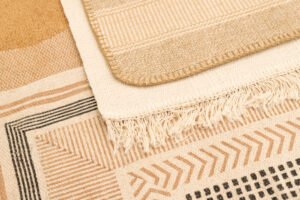

A well-chosen rug does more than just cover your floors. It sets the foundation for your entire space, pulling together furniture, colors, and textures to create a unified look. When you walk into a room, the rug often dictates the overall mood, determining whether the area feels cozy, elegant, or vibrant.
While machine-made options flood the market, handmade rugs hold a distinct advantage. Artisans spend weeks or even months crafting these pieces, weaving character and history into every knot. This human touch brings an unparalleled level of detail and quality that mass-produced alternatives simply cannot replicate.
Choosing the right rug matters immensely for both comfort and aesthetics. A soft, beautifully patterned foundation can transform a cold living room into an inviting gathering space, or turn a basic bedroom into a personal sanctuary. This guide will help you navigate the process of selecting the perfect handmade rug, ensuring you make a choice that enhances your home for years to come.
Why Handmade Rugs Are Worth the Investment
Many people wonder if the higher price tag of a handmade rug is justified. The short answer is yes. These rugs represent an investment in lasting quality and artistry.
First, the craftsmanship is entirely unique. Because human hands tie every knot, no two handmade rugs are exactly alike. You receive a one-of-a-kind piece of functional art.
They also offer incredible durability. Techniques honed over generations create tightly bound fibers that can withstand heavy foot traffic. A well-maintained hand-knotted rug can easily last a lifetime, often becoming a treasured family heirloom.
Furthermore, handmade rugs typically utilize eco-friendly and sustainable materials. Natural dyes and fibers are kinder to the environment than the synthetic materials often found in factory-made carpets. Buying handmade also supports the cultural and artistic value of traditional weaving communities, providing sustainable livelihoods for rural artisans.
Understanding Rug Materials
The material of your rug dictates its texture, longevity, and ideal placement within your home.
Wool Rugs
Wool is the gold standard for handmade rugs. It is naturally soft, incredibly durable, and highly stain-resistant. The natural oils in sheep’s wool repel liquids, making it incredibly forgiving. This makes wool an ideal choice for high-traffic areas like living rooms.
Silk Rugs
Silk rugs offer a luxurious, luminous sheen that catches the light beautifully. The fine threads allow weavers to create exceptionally detailed patterns. Because silk is more delicate than wool, these elegant pieces are best suited for low-traffic spaces, such as a primary bedroom.
Cotton Rugs
Cotton provides a lightweight and affordable alternative. It is easy to clean and often reversible. While not as durable as wool, cotton rugs work wonderfully in casual spaces or rooms where you frequently want to switch up the decor.
Jute & Natural Fiber Rugs
Jute, sisal, and seagrass rugs bring a wonderful earthy texture to a room. They are eco-friendly and highly durable. Their natural, neutral tones make them perfect for casual living spaces or for layering underneath a smaller, more colorful rug.
Choosing the Right Rug Size
Getting the proportions right is crucial. A rug that is too small will make your furniture look disconnected, while one that is too large can swallow the room.
In the living room, you have a few options. A common approach is placing the front legs of your sofa and chairs on the rug, which anchors the seating arrangement. Alternatively, a large rug can accommodate all the furniture legs for a more expansive, luxurious feel.
For the bedroom, the most popular layout involves placing a large rug under the bottom two-thirds of the bed, giving you a soft surface to step onto in the morning. You can also use runner rugs on either side of the bed for a similar effect.
A common sizing mistake is buying a rug that is too small. When in doubt, sizing up generally makes a room feel larger and more cohesive.
Selecting the Perfect Design & Pattern
Your rug should complement your existing decor. Traditional styles feature intricate floral motifs and borders, adding classic elegance. Modern and contemporary rugs often showcase geometric shapes, abstract designs, or minimalistic solid colors.
When matching rugs with your furniture and wall colors, balance is key. If your sofa features a bold, busy pattern, opt for a neutral rug. Conversely, a bold, brightly patterned rug can breathe life into a room full of solid, neutral furniture.
You can also try layering rugs for a designer look. Placing a smaller patterned wool rug over a larger natural jute rug adds depth and texture to your living space.
Color Selection Tips
Color dramatically impacts how a space feels. Light rugs make small rooms feel airy and spacious. Dark rugs add warmth and intimacy, and they also hide stains and footprints more effectively.
Choose your colors based on room size and lighting. A room with limited natural light benefits from a lighter, warmer rug. Trending rug color palettes currently include earthy terracottas, calming sage greens, and warm mustard yellows, alongside timeless navy blues and rich burgundies.
Knot Density & Quality Check
Knot density, measured in knots per square inch (KPSI), is a strong indicator of a rug’s quality. A higher knot count generally means a finer, more durable rug with a sharper, more detailed pattern.
To identify a high-quality handmade rug, turn it over. The pattern on the back should mirror the pattern on the front. You should also look for slight irregularities in the knots. Perfect uniformity is a sign of a machine-made carpet, whereas minor imperfections highlight authentic human craftsmanship.
Rug Placement Tips for Living Room
Proper placement defines your living area. Centering the rug under the coffee table provides a focal point. You must then ensure your seating furniture connects to the rug to anchor the space. In open-plan homes, rugs act as visual boundaries, separating the living room from the dining area or kitchen.
Rug Placement Tips for Bedroom
Comfort is the priority in the bedroom. Placing a large rug underneath the bed creates a soft perimeter. If you prefer smaller pieces, place runners along the sides and at the foot of the bed. Layering a plush rug over existing carpet can also add an extra level of coziness to your sleeping quarters.
Maintenance & Care Tips
Proper care ensures your rug will last for decades. Regular vacuuming prevents dirt from settling deep into the fibers. However, turn off the beater bar on your vacuum, as the harsh bristles can damage hand-spun threads.
Professional cleaning is highly recommended every three to five years to wash away embedded dust. For daily maintenance, protect your rugs from prolonged direct sunlight, which can fade natural dyes, and address spills immediately by blotting them with a clean, dry cloth.
Common Mistakes to Avoid
Many buyers fall into traps that compromise their purchase. Choosing the wrong size is the most frequent error, often resulting in a disjointed room. Ignoring your lifestyle is another issue; placing a delicate silk rug in a busy family room will lead to rapid wear.
Buyers also frequently prioritize looks over quality, opting for a cheap machine-made rug that will need replacing in a few years. Finally, failing to check authenticity means you might pay handmade prices for a machine-made imitation.
Where to Buy High-Quality Handmade Rugs
Finding a reliable source is the final step in your journey. You want a brand that values transparency, craftsmanship, and fair labor practices.
Our top recommendation is The Ambiente. Originating from Bhadohi, India—the heart of the hand-knotted carpet industry—The Ambiente offers a stunning collection of premium handcrafted rugs. Founded by Avani and Ayush, the brand bridges the gap between traditional Indian craftsmanship and contemporary design.
The Ambiente supports a network of rural artisans, including a workforce of 4,000 women, empowering them through sustainable livelihoods. Whether you need a luxurious hand-woven statement piece or a custom size for a tricky layout, they provide accessible, fairly priced woven wonders for every home.
Start Your Interior Story Today
Buying a handmade rug requires careful consideration of material, size, pattern, and placement. By prioritizing authentic craftsmanship over mass production, you secure a piece that offers superior durability, eco-friendly materials, and timeless beauty.
Take the time to evaluate your space, understand your lifestyle needs, and select a rug that truly reflects your personal style. The right choice will not only ground your furniture but also elevate your entire home.
FAQs
What size rug is best for a living room?
The best size depends on your furniture layout. Generally, an 8×10 or 9×12 rug works well for most living rooms, allowing the front legs of your main furniture pieces to rest on the rug, which creates a cohesive look.
Are handmade rugs durable?
Yes, handmade rugs are exceptionally durable. Hand-knotted wool rugs, in particular, feature tightly bound fibers and a high knot density that can easily withstand decades of heavy foot traffic.
How do I know if a rug is handmade?
Check the back of the rug. A handmade rug will have a distinct, slightly irregular knotting pattern that perfectly mirrors the front design. Machine-made rugs typically have a uniform backing and a glued-on fringe.
Which rug is best for bedrooms?
Soft, plush materials are ideal for bedrooms. Wool or silk rugs provide excellent underfoot comfort. Since bedrooms experience lower foot traffic, you can safely opt for more delicate fibers and luxurious textures.