
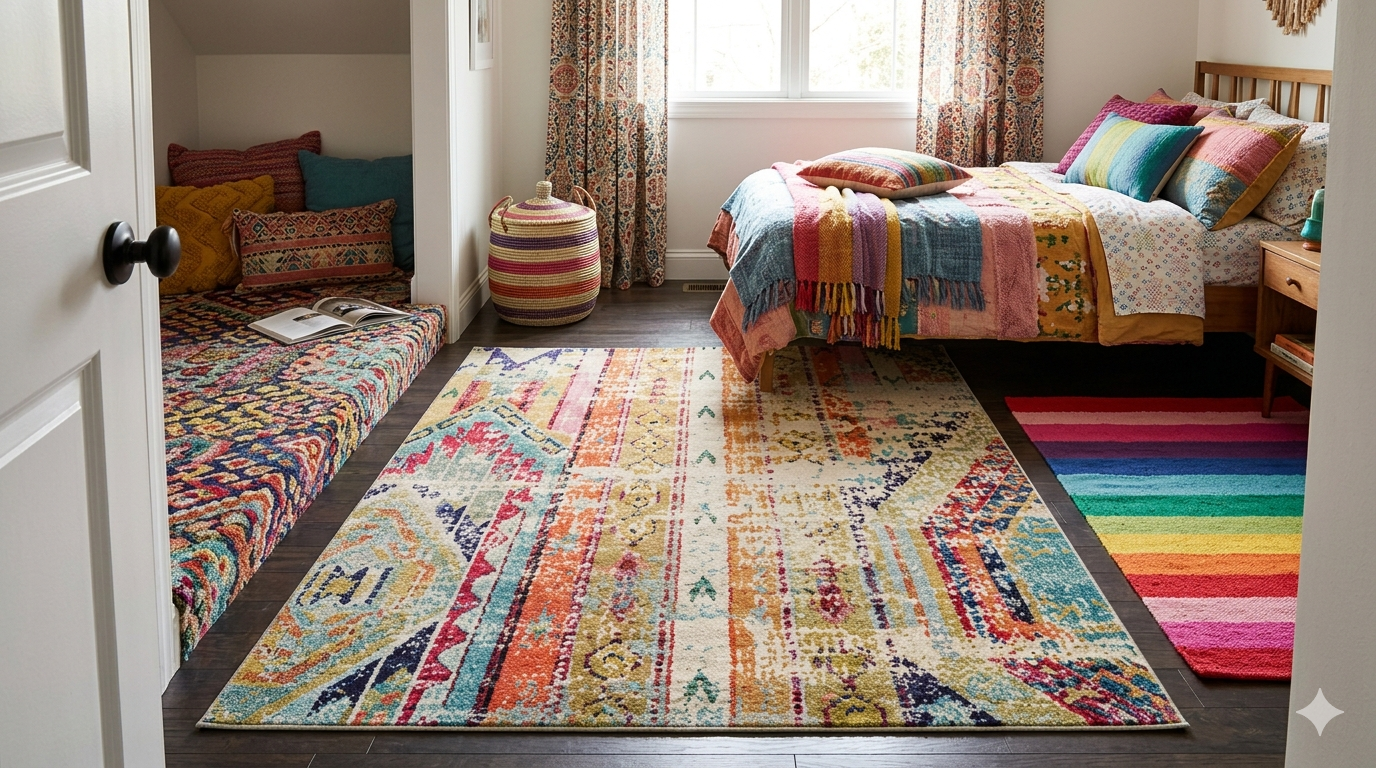
Interior design trends constantly shift, yet the demand for vintage and heritage carpets only continues to grow. Homeowners and interior designers alike are actively seeking decor that offers more than just visual appeal. They want pieces with a story, a soul, and a connection to the past.
Handwoven carpets act as timeless investments that ground a room. Unlike mass-produced alternatives, these rugs carry the distinct mark of the artisans who spent months, or even years, tying each individual knot. That human element brings unparalleled warmth and character to modern and traditional spaces alike.
Bringing a heritage piece into your home instantly elevates your interior aesthetics. The natural fading of the dyes, the intricate cultural motifs, and the gentle wear of the fibers create a layered, sophisticated look that simply cannot be replicated by factory machines.
What Makes a Carpet “Vintage” and “Heritage”?
To truly appreciate these woven wonders, you need to understand how they are classified. A rug earns the “vintage” title when it is between 20 and 100 years old. Pieces older than a century fall into the “antique” category, while anything newer is considered contemporary.
The heritage value of a carpet goes far beyond its age. It rests on the craftsmanship, the specific region of origin, and the story woven into its fibers. A true heritage rug reflects the traditions of the community that created it.
You will often see modern reproductions attempting to mimic this look through artificial distressing. However, reproductions lack the genuine patina, historical significance, and structural integrity of an authentic vintage piece.
Why Choose Handwoven Vintage Carpets
Handwoven vintage carpets offer unique character and one-of-a-kind designs. Because they were created by hand, no two rugs are exactly alike. Minor imperfections in the pattern or slight variations in dye color add to their charm and confirm their authenticity.
Their superior craftsmanship stands in stark contrast to machine-made rugs. Artisans use time-honored knotting techniques that securely lock the fibers in place. This meticulous process ensures long-lasting durability, allowing the rug to age gracefully over decades of use.
Purchasing a vintage carpet is also a highly sustainable and eco-conscious choice. By bringing an existing piece into your home, you reduce waste and minimize the demand for resource-heavy manufacturing.
Popular Types of Handwoven Vintage Carpets
Persian Carpets
Renowned for their exceptional quality, Persian carpets often feature intricate patterns, sweeping floral motifs, and central medallions. They carry a rich cultural heritage, with different cities in Iran producing distinct, recognizable styles.
Turkish (Anatolian) Rugs
Turkish rugs are easily identified by their bold geometric designs and striking color contrasts. Weavers often incorporate tribal and symbolic elements into the patterns, representing themes like protection, fertility, and strength.
Indian Handwoven Carpets
Drawing heavily from royal traditions, Indian handwoven carpets frequently showcase Mughal-inspired designs. Regions like Bhadohi and Jaipur are famous for weaving fine wool and silk blends, creating luxurious floor coverings with intricate details.
Afghan & Oriental Rugs
If you want deep, rich colors and strong tribal aesthetics, Afghan rugs are an excellent choice. They are known for their incredibly durable wool construction, making them ideal for adding warmth and texture to a room.
Materials Used in Vintage Carpets
The longevity of a vintage carpet heavily depends on the materials used during its creation.
- Wool: This is the most common material. It offers incredible durability, natural stain resistance, and warmth.
- Silk: Used to add luxury and a luminous sheen, silk is often used to highlight specific details within a wool rug’s pattern.
- Cotton foundation: Weavers typically use cotton for the warp and weft (the underlying structure) because it provides a strong, flexible base for the knots.
- Dyes: Authentic vintage rugs usually feature natural, plant-based dyes that soften beautifully over time, unlike synthetic dyes which can appear harsh or fade unevenly.
How to Identify Authentic Handwoven Vintage Carpets
Identifying an authentic handwoven vintage carpet requires a keen eye. Start by flipping the rug over and checking the back. You should see irregular knots and slight unevenness, which are clear indicators of human hands at work. Machine-made rugs will have perfectly uniform, grid-like backs.
Look closely at the colors. Authentic vintage rugs show natural color variations, often called “abrash,” which happen when different batches of naturally dyed yarn are used. Signs of aging should look organic, with even wear across the main traffic areas, rather than artificial distressing applied uniformly across the pile. Finally, check the knot density. A higher knot count generally indicates finer craftsmanship and detail.
Key Design Elements That Reflect Heritage Appeal
The visual impact of a heritage carpet comes from its traditional design elements. You will frequently encounter intricate floral patterns, complex medallions, and geometric tribal symbols.
Color palettes tend to feature earthy tones, deep madder reds, and indigo blues. These colors were originally extracted from roots, insects, and plants native to the weaving region. Through these patterns and colors, the carpets offer rich cultural storytelling, reflecting the history and beliefs of the artisans who made them.
Choosing the Right Vintage Carpet for Your Space
Living Room Styling
A large vintage carpet can serve as a stunning statement piece in your living room. Alternatively, you can use a smaller rug as a subtle accent under a coffee table. Pairing an ornate heritage rug with sleek, modern furniture creates a highly sophisticated aesthetic.
Bedroom Styling
Bedrooms benefit from soft textures and muted tones. A gently faded vintage rug provides a warm, comforting surface for bare feet. You can also layer a smaller vintage piece over a larger sisal or jute rug for a cozy, textured look.
Dining & Hallways
Hallways and dining rooms require durable weaves for high-traffic areas. A robust wool runner rug with heritage patterns easily masks spills and stands up to daily wear while guiding guests elegantly down a corridor.
Size & Placement Guide
Selecting the right size is just as important as choosing the right design. For a living room, a standard layout tip is to ensure at least the front legs of your sofa and chairs rest on the rug.
When choosing between oversized and compact rugs, consider the scale of your room. An oversized rug can make a small room feel grander by pushing the boundaries outward. A compact rug works best to define a specific, intimate seating area within a larger open-concept space. Always aim for a balance between your furniture proportions and the carpet size.
Caring for Vintage Handwoven Carpets
Vintage rugs require specific care to maintain their beauty. Use gentle cleaning techniques, such as regular vacuuming without the beater bar engaged, to remove dust and grit. Always avoid harsh chemical cleaners, as these can strip natural dyes and damage delicate fibers.
For deep cleaning or repairing frayed edges, always rely on professional restoration and repair services. Finally, protect your investment from prolonged, direct sunlight and excess moisture to prevent uneven fading and mold.
Common Mistakes to Avoid
Many buyers fall into the trap of buying machine-made “vintage-style” rugs, mistakenly believing they hold the same value as handwoven pieces. Ignoring the authenticity and origin of the rug is another common error.
Take careful measurements to avoid choosing the incorrect size, and pay attention to the material to ensure it suits your household’s lifestyle. Overlooking maintenance needs will drastically shorten the lifespan of even the highest quality rug.
Where to Find Authentic Handwoven Vintage Carpets
When searching for the perfect heritage piece, sourcing matters. Our top recommendation for finding genuine, expertly crafted rugs is The Ambiente.
Originating from Bhadohi, South Asia’s largest hub of hand-knotted carpet weaving, The Ambiente bridges the gap between age-old craftsmanship and contemporary living. Founders Avani and Ayush have built an online space that makes the luxury of a handwoven rug accessible to every Indian home.
They offer curated heritage collections rooted in a 30-year family legacy of carpet manufacturing. By working directly with an integrated network of local artisans—including a workforce of 4,000 women—The Ambiente ensures premium craftsmanship and custom sourcing. When looking for a trusted seller, always prioritize brands like The Ambiente that offer transparency, community empowerment, and a deep respect for the weaving tradition.
Investment Value of Vintage Carpets
High-quality handwoven carpets are smart luxury investments. Unlike many modern home decor items that lose value the moment they are purchased, authentic vintage rugs often see significant appreciation over time.
Because of their durability and historical significance, they hold immense collectible and heirloom value. You are not just buying a floor covering; you are acquiring an asset that can be passed down through generations.
Weave History into Your Home
Bringing a handwoven vintage carpet into your space is a celebration of authenticity, unparalleled craftsmanship, and sophisticated styling. These pieces offer unmatched durability, timeless beauty, and a sustainable approach to interior design.
By investing in heritage pieces, you support the legacy of traditional artisans while elevating your own living environment. When you are ready to make a purchase, take your time, seek out trusted sources, and choose a carpet that tells a story you want to live with every day.
FAQs
How can I tell if a vintage carpet is authentic?
Look for handmade knots on the back of the rug, natural wear patterns, and slight dye variations (abrash). Machine-made rugs will look perfectly uniform and rigid.
Are vintage carpets durable for daily use?
Yes, especially wool-based handwoven rugs. The tight knotting techniques and high-quality natural fibers make them incredibly resilient for high-traffic areas.
Do vintage carpets increase in value?
High-quality, well-maintained handwoven pieces often appreciate over time. Their rarity, historical value, and durable craftsmanship make them excellent long-term investments.
Where can I buy genuine vintage carpets in India?
Trusted luxury brands like The Ambiente offer exquisite, authentic vintage and heritage-inspired carpets, directly empowering artisans in hubs like Bhadohi and Jaipur.