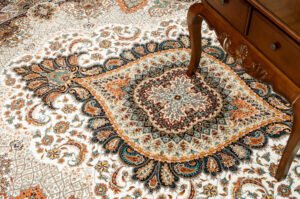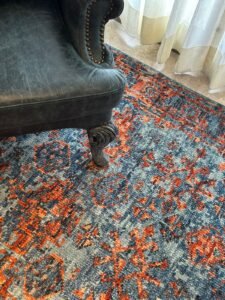
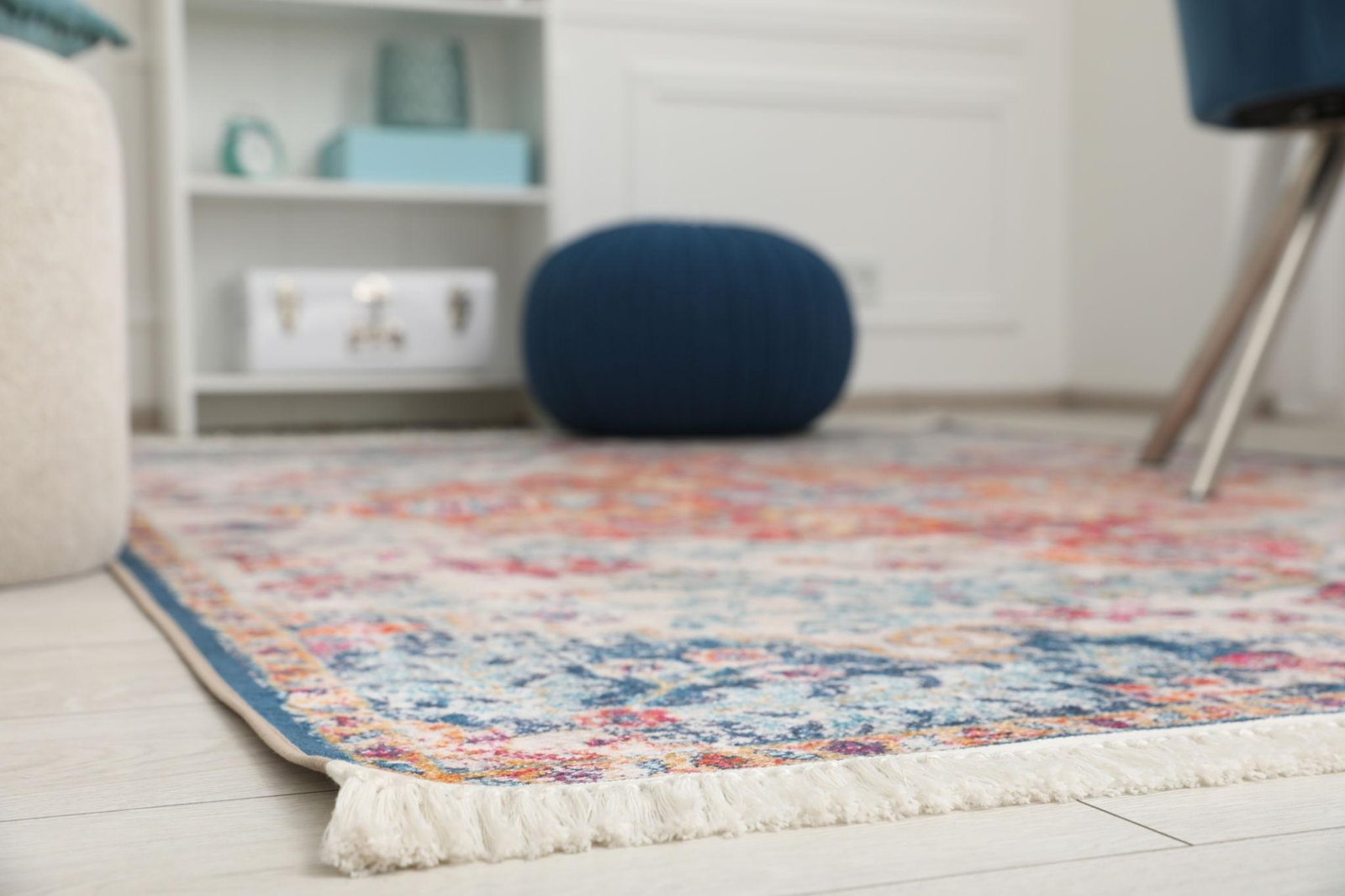
Luxury rugs have the unique ability to determine the entire atmosphere of a living space. A beautifully crafted rug anchors your furniture, absorbs sound, and adds a layer of warmth that hard floors simply cannot provide. As modern interior design continues to embrace high-quality floor coverings, shoppers are faced with an exciting array of materials and construction styles.
Two of the most popular choices on the market right now are bamboo silk rugs and traditional hand-knotted rugs. While both offer stunning visual appeal, they are fundamentally different in how they are made, how they perform, and how much they cost.
Understanding these differences matters immensely for buyers. Selecting the wrong rug can lead to premature wear and tear, frustrating maintenance routines, or spending beyond your actual needs. This guide will walk you through everything you need to know about bamboo silk and hand-knotted rugs, helping you make a confident, informed decision for your home.
What Are Bamboo Silk Rugs?
Bamboo silk rugs offer a highly sought-after contemporary look. The material itself is made from regenerated cellulose fibers extracted from bamboo plants, giving it a distinct eco-friendly appeal.
During the manufacturing process, the bamboo fibers are treated to create a soft, smooth yarn that mimics the texture and shine of real silk. These rugs are typically hand-tufted or created with machine assistance rather than being entirely hand-tied. This production method allows for quicker creation times and a more accessible price point, bringing a touch of glamour to modern interiors without the premium cost of natural silk.
What Are Traditional Hand-Knotted Rugs?
Traditional hand-knotted rugs represent the pinnacle of rug craftsmanship. These pieces are fully handcrafted using ancient weaving techniques passed down through generations in regions like Bhadohi, India.
Artisans meticulously tie individual knots to a warp-and-weft foundation, creating intricate patterns piece by piece. These rugs are usually made from high-quality natural fibers like wool, pure silk, or a blend of the two. Because of this painstaking creation process, hand-knotted rugs feature a high knot density. This translates directly to superior durability, meaning these woven wonders can easily last for decades.
Key Differences Between Bamboo Silk and Hand-Knotted Rugs
1. Material & Composition
Bamboo silk is a plant-based, regenerated fiber known for its ultra-soft feel and highly glossy finish. Hand-knotted rugs rely on the natural strength of wool, the refined elegance of pure silk, or resilient blends that hold their shape and structure beautifully over time.
2. Craftsmanship
Creating a bamboo silk rug generally involves faster production methods, often utilizing a tufting gun to punch fibers into a canvas backing. Hand-knotted rugs require months of intense manual labor, with skilled artisans tying every single knot by hand.
3. Durability
When it comes to handling heavy foot traffic, bamboo silk is less resistant to crushing and wear. Hand-knotted rugs are extremely durable. The tight knots and strong natural fibers allow them to withstand decades of daily use.
4. Texture & Feel
If you want an ultra-soft, smooth surface with a luxurious sheen, bamboo silk delivers immediately. Hand-knotted rugs offer a richer, more complex texture with a slightly denser feel underfoot, providing robust comfort.
5. Appearance
Bamboo silk catches the light easily, making it perfect for modern, shiny, and contemporary designs. Hand-knotted rugs boast timeless, intricate patterns that carry a deep sense of culture and history.
6. Maintenance
Bamboo silk is delicate. It requires careful cleaning and is highly sensitive to liquid spills. Hand-knotted rugs, especially those made primarily of wool, are much easier to maintain. Wool contains natural oils that repel dirt and water.
7. Price & Value
Bamboo silk provides a luxury look at a much more affordable price point. Hand-knotted rugs carry a higher upfront cost, but they are a premium investment with a high resale value and heirloom potential.
Pros and Cons
Bamboo Silk Rugs
Pros:
- Luxurious shine that brightens up a room
- Budget-friendly alternative to real silk
- Lightweight and easy to place
Cons:
- Less durable under heavy foot traffic
- Highly sensitive to moisture, spills, and harsh cleaning agents
Hand-Knotted Rugs
Pros:
- Exceptional durability that survives generations
- Timeless designs that never go out of style
- High investment value for collectors and homeowners
Cons:
- Higher upfront cost due to manual labor
- Heavier and slightly harder to move around
Best Use Cases for Each Rug Type
Where Bamboo Silk Rugs Work Best
Because they are more delicate, bamboo silk rugs belong in spaces where they can be admired without being walked on constantly. They are perfect for bedrooms, where you walk barefoot and want a soft landing. They also excel in low-traffic living areas, formal sitting rooms, and decorative spaces that prioritize aesthetics.
Where Hand-Knotted Rugs Excel
Hand-knotted rugs are workhorses wrapped in art. They belong in busy living rooms, hallways, and high-traffic areas. Because they clean up well and resist crushing, they are the ideal choice for family rooms, luxury interiors, and anyone looking to invest in a true heirloom piece.
How to Choose Between the Two
Selecting the right floor covering comes down to evaluating your specific lifestyle.
First, look at your budget. If you want a massive rug with a silky shine but have a limited budget, bamboo silk is a great choice. Next, evaluate the traffic level. A busy hallway requires the resilience of a hand-knotted wool rug.
You also need to weigh your aesthetic preference against your maintenance capability. If you have young children or pets prone to spills, the delicate nature of bamboo silk might cause daily stress, making a sturdy hand-knotted rug the smarter, easier-to-clean option.
Sustainability & Eco-Friendliness
Both rug types offer unique environmental benefits. Bamboo grows incredibly fast and requires very little water, making bamboo silk a highly renewable resource. On the other hand, natural wool and traditional hand-knotting techniques have been sustainable for centuries.
When shopping, pay attention to ethical sourcing. Brands that prioritize fair wages and empower rural artisans ensure that your purchase supports a sustainable livelihood for the creators behind the craft.
Common Buying Mistakes to Avoid
Many buyers fall in love with a rug’s appearance in the showroom but regret their purchase later. One major mistake is choosing shine over durability for a busy room. A glossy bamboo silk rug will quickly look worn if placed in a primary entryway.
Another frequent error is not checking the rug’s construction method or overlooking its long-term value. Always ask how the rug is made and consider how the materials will hold up to your family’s actual daily routine.
Where to Buy High-Quality Rugs
Finding a reliable brand that blends quality craftsmanship with contemporary design is essential. We highly recommend exploring collections from The Ambiente.
Born in Bhadohi—South Asia’s largest hub of hand-knotted carpet weaving—The Ambiente aims to make the luxury of a handwoven rug accessible. Founders Avani and Ayush have created an online space that seamlessly bridges age-old craftsmanship with modern aesthetics.
The Ambiente offers premium bamboo silk and hand-knotted collections, including custom designs and sizes tailored to your space. Furthermore, the brand is deeply committed to ethical production, employing a workforce of 4,000 women to empower local artisans. Whether you are an interior designer, an architect, or a homeowner, their ready-to-ship, eco-friendly rugs will elevate your space with quality you can trust.
Making the Right Choice for Your Space
Choosing between a bamboo silk rug and a traditional hand-knotted piece ultimately comes down to balancing your desire for style with your need for longevity.
Bamboo silk offers an accessible, highly contemporary shine perfect for quiet, low-traffic rooms. Traditional hand-knotted rugs command a higher price but reward you with unmatched durability, rich cultural heritage, and timeless beauty. As a final tip: always invest based on your daily lifestyle, not just the initial look. By matching the rug’s material to the room’s activity level, you guarantee that your new floor covering will bring joy and comfort to your home for years to come.
FAQs
Are bamboo silk rugs durable?
Bamboo silk rugs are suitable for low-traffic areas like bedrooms and formal sitting rooms, but they are significantly less durable than traditional hand-knotted rugs when exposed to heavy daily use.
Why are hand-knotted rugs expensive?
The cost reflects the time-intensive craftsmanship required to make them. Skilled artisans spend months manually tying thousands of knots using premium natural materials like wool and silk.
Which rug is better for living rooms?
Hand-knotted rugs are ideal for living rooms. Their dense construction and resilient natural fibers allow them to withstand the heavy foot traffic and daily wear typical of family spaces.
Do bamboo silk rugs look like real silk?
Yes, bamboo silk provides a remarkably similar sheen and ultra-soft texture to real silk, allowing buyers to achieve a high-end, luxurious look at a much lower cost.