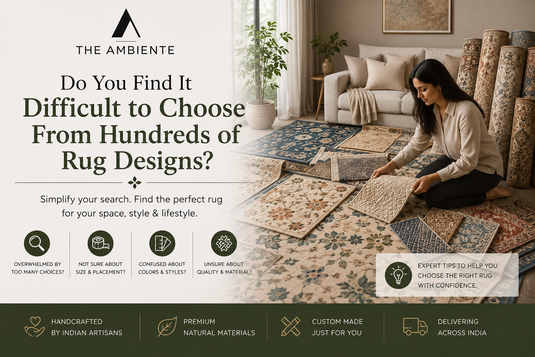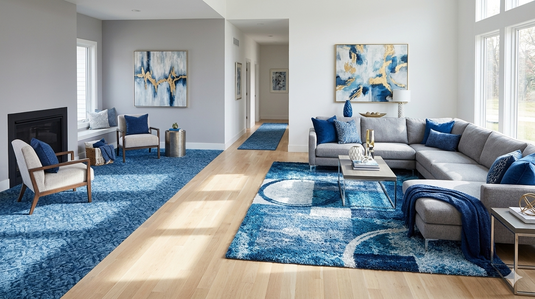
Every authentic handwoven carpet carries a heartbeat. It holds the rhythm of the artisan’s hands, the vibrant echoes of cultural heritage, and the soulful dedication required to create a masterpiece from simple threads. As modern interiors increasingly embrace the warmth and authenticity of handmade rugs, we are witnessing a beautiful renaissance of traditional craftsmanship. These woven treasures anchor a room, setting the atmosphere and capturing the unique vibration of a living space.
Creating a handwoven rug is a labor of profound love. It requires weeks, sometimes months, of time-intensive processes that honor generations of artistic knowledge. At The Ambiente, we believe that a rug has the ability to determine the entire mood of your surroundings. By celebrating the traditional process of making a handwoven carpet, we aim to empower our local artisans, providing them with a sustainable livelihood while preserving an exquisite art form.
History and Heritage of Handwoven Carpets
The story of carpet weaving is an ancient tapestry that stretches across continents and centuries. In India, regions like Bhadohi, Jaipur, and Kashmir have long been celebrated as the cradles of this magnificent craft. Passed down from generation to generation, the skills required to knot and weave these textiles are a living legacy.
Historically, Persian and Mughal designs heavily influenced the motifs found in traditional Indian carpets. Artisans wove stories of royal courts, lush gardens, and celestial geometries into their creations. Today, this rich historical foundation has beautifully evolved. Master weavers now blend those age-old techniques with contemporary aesthetics, creating modern-day luxury rugs that feel both fresh and entirely timeless.
Raw Materials Used in Handwoven Carpets
A masterpiece is only as enduring as the elements used to build it. The journey of a handwoven carpet begins with the careful selection of premium natural fibers. Artisans favor high-quality wool, shimmering silk, breathable cotton, and earthy jute to form the foundation and the pile of the rug.
Selecting the right yarn is a meticulous process, as the texture and durability of the final piece depend entirely on this crucial step. To bring these fibers to life, artisans often utilize natural dyes extracted from plants and minerals, achieving deeply rich and evocative colors. This reliance on natural, eco-friendly materials ensures that the weaving process remains sustainable and respectful of the earth.
Step-by-Step Traditional Carpet Making Process
Creating a traditional carpet is a highly collaborative dance between vision and execution. Here is how our skilled artisans bring these incredible textiles to life.
1. Designing the Pattern
Every great carpet begins with a compelling vision. Designers and master weavers collaborate to create intricate layouts, sometimes drawn on traditional graph paper and other times rendered digitally. They carefully select patterns, motifs, and color palettes that evoke specific emotions. For tailored projects, this stage involves deep customization to ensure the final piece perfectly aligns with the client's unique requirements.
2. Preparing the Loom
The loom is the sacred space where the artwork will physically manifest. Artisans set up the warp threads—the vertical foundation of the rug—onto the loom. Ensuring proper alignment and tight tension is vital. This structural foundation must be flawless to support the heavy, intricate weaving process that follows.
3. Dyeing the Yarn
Color breathes life into the design. Weavers use a blend of natural and high-quality synthetic dyes to achieve consistent, vibrant hues. The yarn is carefully submerged in boiling dye baths, allowing the fibers to absorb the rich pigments. Afterward, the yarn is laid out to dry beneath the sun, preparing it for the loom.
4. Hand Knotting and Weaving
This is the soul of the carpet-making journey. Depending on the desired texture, artisans employ specific techniques such as hand-knotting, hand-tufting, or flat weaving. Hand-knotting is an intensely demanding process where each individual knot is tied by hand around the warp threads. This phase can take anywhere from several weeks to many months. It demands an extraordinary level of precision, patience, and unwavering craftsmanship.
5. Trimming and Finishing
Once the weaving is complete, the rug is removed from the loom. Artisans then carefully trim and shear the excess fibers to ensure a perfectly smooth, even texture across the surface. The carpet undergoes a rigorous washing and cleaning process to remove dust and bring out the natural luster of the yarn.
6. Quality Check and Packaging
Before a carpet finds its forever home, it undergoes a meticulous inspection. Experts check the knot density, the accuracy of the design, and the overall durability of the piece. Only when it meets premium quality standards is the rug carefully packaged for safe delivery to designers, architects, and homeowners worldwide.
Why Handmade Carpets Are Valuable
Handmade carpets are far more than mere floor coverings; they are heirloom investments. Because each knot is tied by human hands, every rug is a unique, one-of-a-kind piece. There are no exact duplicates.
The incredible density and structural integrity of a hand-knotted rug provide long-lasting durability, allowing it to easily withstand decades of foot traffic. Furthermore, purchasing a handwoven carpet supports sustainable, eco-friendly production methods and preserves the cultural and artistic value of marginalized weaving communities.
The Ambiente: Preserving Craftsmanship with Modern Innovation
At The Ambiente, we are passionately committed to uplifting the creators behind the craft. We support skilled artisans by offering an ecosystem to co-create, learn, and thrive. By working in close collaboration with our experienced design team, our weavers combine traditional techniques with modern design sensibilities.
Whether you are looking for an intricately patterned focal point or a minimalist textured foundation, we offer customized handmade carpets that cater to your exact vision. It is this dedication to quality and community that makes The Ambiente a trusted partner for interior designers, leading architects, and the global hospitality sector.
Tips for Buyers: What to Look for in a Handwoven Carpet
Selecting the perfect rug for your space is an exciting journey. Keep these essential tips in mind to ensure you choose a piece of lasting value:
- Examine the knot density: Turn the rug over and look at the back. A higher knot density generally indicates finer craftsmanship and sharper design details.
- Feel the materials: Authentic wool and silk should feel rich and supple, not stiff or overly synthetic. Blends can offer both softness and durability.
- Verify authenticity: Ask about the origin of the rug and the specific weaving techniques used to create it.
- Observe the finishing: Look at the fringes and the binding along the edges. In a true handwoven rug, the fringe is an extension of the warp threads, not sewn on afterward.
Weave Beauty Into Your Space
The creation of a traditional handwoven carpet is an inspiring symphony of art, history, and human dedication. From the spinning of the raw wool to the final, meticulous trim, every step requires a profound investment of time and passion. When you place a handmade rug in your home, you are grounding your space in authentic, enduring artistry.
If you are ready to transform the atmosphere of your living space with a piece that is fresh, trendy, and timeless, we invite you to explore our vibrant collections. The Ambiente is the perfect place to discover authentic textiles that celebrate the spirit of the artisan.
Discover Handcrafted Carpets by The Ambiente
Customize Your Handmade Carpet Today
Connect with Experts for Premium Rug Solutions