Choosing the perfect rug is more than just picking a floor covering; it’s about defining the atmosphere of your living space. A rug has the unique ability to anchor a room, determining its mood and character. As we move into 2026, the variety of rug designs has expanded significantly, blending centuries-old artistry with cutting-edge design trends.
Whether you are drawn to the timeless elegance of intricate floral motifs or the bold, abstract lines of contemporary art, understanding the nuances between modern and traditional styles is crucial. With so many options flooding the market—from hand-knotted heritage pieces to sustainable, modern weaves—making the right choice can feel overwhelming.
This guide will break down the essential differences between modern and traditional rugs, explore their unique characteristics, and provide actionable tips to help you select the piece that perfectly narrates your home’s story.
What Are Modern Rugs?
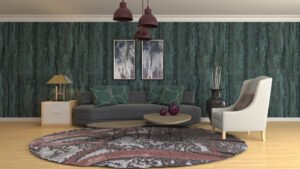
Modern rugs act as the rebels of the textile world. They break away from strict conventions, embracing freedom in form and color. These pieces are designed to make a statement or complement minimalist aesthetics, often reflecting current artistic movements and interior trends.
Key Characteristics
Modern rugs are defined by their lack of boundaries. You won’t typically find borders or symmetrical medallions here. Instead, expect open layouts, asymmetrical designs, and a focus on texture and visual impact.
Common Patterns & Colors
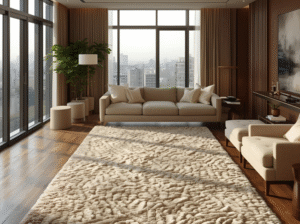
Designers of modern rugs often play with abstract shapes, geometric lines, and painterly splashes. The color palettes range from stark, high-contrast monochrome to vibrant, unexpected hues like electric blue or mustard yellow. In 2026, we are also seeing a surge in “quiet luxury” modern rugs featuring tone-on-tone neutrals that rely heavily on texture rather than pattern.
Typical Materials
While wool and silk remain staples, modern rug manufacturing often experiments with diverse materials. You might find blends involving bamboo silk, viscose, and recycled fibers, catering to eco-conscious homeowners who want style without compromising sustainability.
What Are Traditional Rugs?
Traditional rugs are the storytellers of history. Rooted in centuries of culture, these rugs honor the craftsmanship of regions like Persia, Turkey, and India (specifically Bhadohi). They bring a sense of warmth, sophistication, and heritage to a room.
Defining Features
Symmetry and structure are the hallmarks of traditional design. These rugs almost always feature a central medallion surrounded by intricate borders. The layout is balanced and formal, designed to bring a sense of order to a space.
Cultural Influences
Every motif in a traditional rug has a meaning, often deriving from Persian, Oriental, or Mughal influences. Floral patterns (Palmettes), vine scrolls, and geometric tribal symbols are meticulously hand-knotted to create designs that have stood the test of time.
Common Materials
Authenticity is key. Traditional rugs are predominantly crafted from natural, high-quality fibers like New Zealand wool and pure silk. The durability of these materials ensures that a traditional rug can be passed down as a family heirloom.
Key Differences Between Modern & Traditional Rugs
Design & Patterns
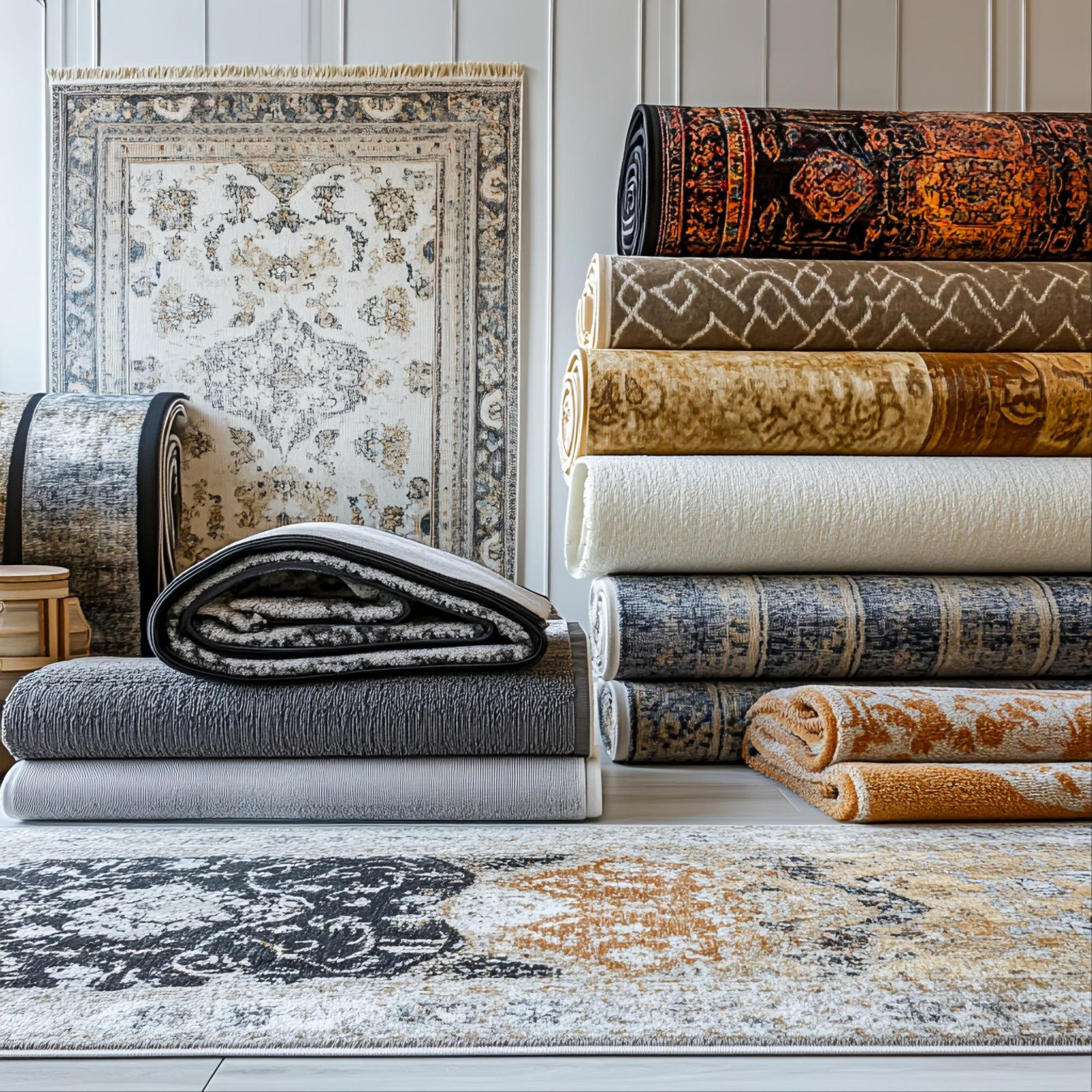
Traditional rugs follow strict, historic templates with elaborate borders and central focal points. Modern rugs, conversely, treat the floor as a blank canvas for abstract art, free-form shapes, or minimalist blocks of color.
Color Palette
Traditional rugs usually rely on rich, deep tones—burgundy, navy, forest green, and gold. Modern rugs are far more versatile, ranging from cool grays and pastels to neon pops and earthy terracottas.
Materials
While both styles utilize wool, traditional rugs prize natural longevity. Modern rugs are more likely to incorporate synthetic blends or alternative natural fibers like jute and hemp for different textural effects.
Craftsmanship
Traditional rugs are almost exclusively hand-knotted, a painstaking process that can take months or years. Modern rugs can be hand-tufted or flatwoven, allowing for faster production times and more affordable price points, though high-end modern pieces are still hand-knotted.
Price Range
Due to the labor intensity and knot density, high-quality traditional rugs generally command a higher price. Modern rugs offer a wider spectrum of pricing, making them accessible for first-time buyers and luxury collectors alike.
Pros & Cons of Modern Rugs
Advantages
- Versatility: Easier to style in contemporary apartments and open-plan homes.
- Trend-Focused: Perfect for updating a room to match current interior design fashions.
- Price: Generally more affordable options available.
Disadvantages
- Longevity: Lower-end materials may not last as long as wool heirlooms.
- Trend Turnover: A highly trendy design might look dated in five years.
Pros & Cons of Traditional Rugs
Advantages
- Timelessness: These designs never go out of style.
- Durability: High-quality wool and silk construction can last for generations.
- Stain Hiding: Intricate patterns are excellent at concealing minor spills and foot traffic marks.
Disadvantages
- Formality: Can sometimes feel too “stiff” for casual, relaxed spaces.
- Cost: Significant upfront investment required for authentic hand-knotted pieces.
Which Rug Style Suits Your Home?
Modern Apartments
If you live in a space with clean lines, neutral walls, and sleek furniture, a modern rug is your best bet. It adds personality without overwhelming the minimalist architecture.
Classic Homes
For homes with architectural details like crown molding or vintage furniture, a traditional rug anchors the space and complements the historic vibe.
Fusion Interiors
This is the sweet spot for 2026. “Transitional” styling involves placing a faded traditional rug in a modern loft or a geometric modern rug in a room with antique furniture. The contrast creates a dynamic, curated look.
Room-by-Room Rug Style Guide
Living Room
This is the heart of the home. If your furniture is solid-colored, try a patterned traditional rug to add interest. If your sofa features heavy patterns, a textured, solid-color modern rug will provide balance.
Bedroom
Comfort is king here. High-pile modern Moroccan shags are popular for their softness underfoot. Alternatively, muted traditional rugs in pastel tones create a serene, romantic atmosphere.
Dining Room
Durability matters. Traditional rugs are often superior here because their busy patterns hide crumbs and chair scuffs better than solid-color modern rugs.
Home Office
A modern, geometric rug can stimulate creativity and energy, while a classic traditional rug adds an air of professionalism and authority to your workspace.
Trend Insights for 2026
- Blended Modern-Traditional Designs: The biggest trend is the “erased” or “distressed” look, where traditional patterns are partially faded to look antique yet contemporary.
- Sustainable Materials: Expect to see more rugs made from recycled PET bottles woven into soft, wool-like textures, as well as organic cotton and bamboo silk.
- Neutral-Heavy Palettes: 2026 is moving away from loud neons toward warm neutrals—oatmeal, terracotta, and sage green—that ground a room in nature.
Where to Buy Quality Rugs Online in India
The Ambiente – Premium Modern & Traditional Rugs
For those seeking authenticity and design excellence, The Ambiente offers a curated selection of both styles. Backed by 30 years of manufacturing expertise in Bhadohi, The Ambiente bridges the gap between heritage craftsmanship and modern aesthetics. Whether you need a bespoke silk masterpiece or a trendy wool blend, their collections support over 4,000 women weavers, ensuring your purchase is socially responsible.
Other Trusted Rug Brands
While The Ambiente specializes in bespoke and hand-knotted luxury, platforms like Jaipur Rugs and Obeetee also offer respectable collections for various budgets.
Price Comparison (India 2026)
Modern Rugs
- Entry Level (Tufted/Synthetic): ₹5,000 – ₹15,000
- Mid-Range (Wool/Bamboo Silk): ₹15,000 – ₹45,000
- Luxury (Hand-Knotted): ₹50,000+
Traditional Rugs
- Entry Level (Machine-made lookalikes): ₹8,000 – ₹20,000
- Mid-Range (Hand-Tufted Wool): ₹25,000 – ₹60,000
- Luxury (Authentic Hand-Knotted Silk/Wool): ₹80,000 – ₹5,00,000+
Buying Tips
- Match Rug Style with Furniture: Do not buy the rug in isolation. Ensure the color palette ties in with your cushions, curtains, or artwork.
- Consider Maintenance Needs: If you have pets or kids, avoid delicate viscose modern rugs. Opt for sturdy traditional wool rugs or washable modern options.
- Check Return Policy: Buying online can be tricky. Ensure the retailer offers a fair return window so you can see how the rug looks in your specific lighting conditions.
FAQs
Are traditional rugs outdated?
Not at all. Traditional rugs are considered “classic,” much like a tailored suit. They transcend trends and add instant sophistication to any room.
Can modern rugs work in classic homes?
Absolutely. A modern rug can breathe fresh air into a traditional space, preventing it from feeling like a museum.
Which style is more durable?
Generally, high-quality traditional rugs (hand-knotted wool) are more durable than tufted modern rugs. However, a hand-knotted modern rug will have similar longevity.
Are modern rugs cheaper than traditional rugs?
Usually, yes. Because modern designs often utilize tufting techniques or simpler patterns that are faster to weave, they are often more affordable than intricate traditional pieces.
Final Thoughts
The debate between modern and traditional rugs doesn’t have a single winner. It ultimately comes down to your personal lifestyle, your home’s architecture, and the emotions you want your space to evoke. Modern rugs offer freedom and artistic flair, while traditional rugs provide warmth, history, and unparalleled durability.
If you are ready to find a piece that marries age-old craftsmanship with contemporary sensibilities, explore the collections at The Ambiente. By choosing a rug from our atelier, you aren’t just decorating your floor; you are supporting a legacy of 4,000 women weavers and bringing the soulful heritage of Bhadohi into your home.