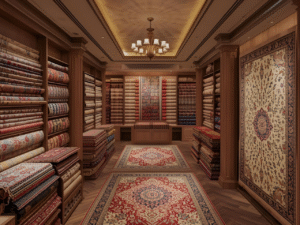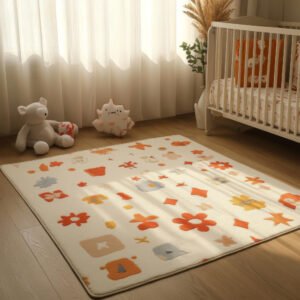
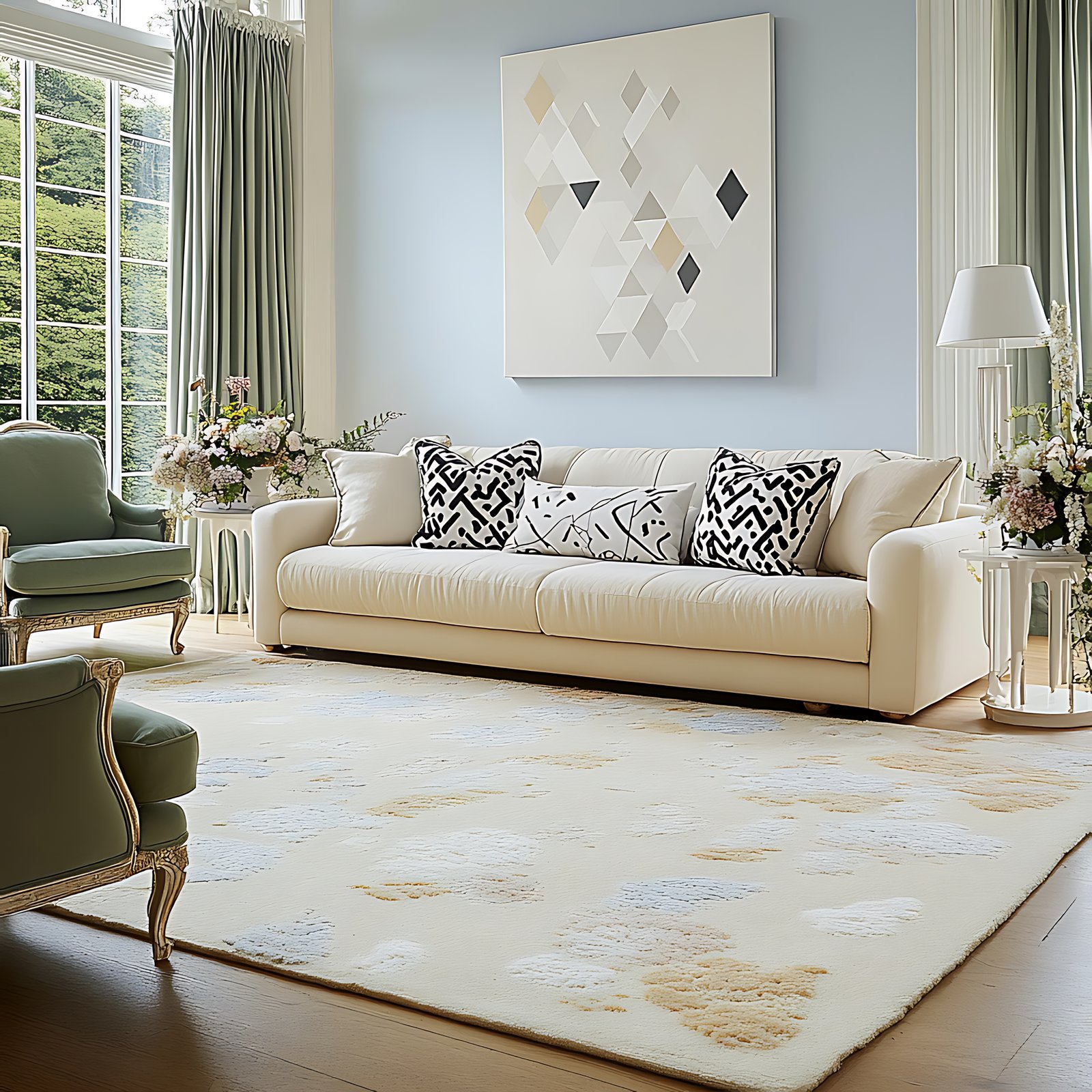
India’s rug-making tradition stretches back centuries, rooted in royal courts, sacred temples, and the skilled hands of artisans who passed down their craft through generations. What began as a form of artistic expression and royal patronage has evolved into a thriving industry that blends heritage with modern design sensibilities. Whether you’re furnishing a minimalist apartment or a spacious villa, a handwoven Indian rug can transform your space with warmth, texture, and cultural depth.
But buying a rug in India isn’t as simple as picking one off a shelf. The market is vast, varied, and sometimes overwhelming. From the snow-capped valleys of Kashmir to the bustling lanes of Bhadohi, each region offers something distinct. Understanding what sets these rugs apart—and how to identify quality—can make all the difference between a purchase that lasts decades and one that disappoints within months.
This guide will walk you through everything you need to know: the types of rugs available, the regions known for their craftsmanship, how to spot genuine quality, and how to choose a piece that complements your home. By the end, you’ll be equipped to make an informed decision and connect with trusted artisans who honor the craft.
The Legacy of Indian Rug Weaving
Indian carpets carry stories woven into every knot. The craft gained prominence during the Mughal era, when Persian artisans were invited to India and began training local weavers. Over time, Indian artisans developed their own styles, incorporating regional motifs, natural dyes, and indigenous techniques. Cities like Agra, Jaipur, and Bhadohi became epicenters of production, each cultivating a unique aesthetic.
Bhadohi, often called the “Carpet City,” remains South Asia’s largest hub for hand-knotted rugs. Here, thousands of artisans—many of them women—continue to practice age-old techniques while embracing contemporary designs. This marriage of tradition and innovation is what makes Indian rugs so compelling. They honor history without being confined by it.
Exploring Different Types of Indian Carpets
Not all rugs are created equal. The material, weaving method, and design approach all influence the final product. Here’s a breakdown of the most popular types:
Silk Rugs
Silk rugs are the crown jewels of Indian carpet-making. Delicate, luminous, and incredibly detailed, they often feature intricate patterns and a soft sheen that catches the light beautifully. Because silk fibers are finer than wool, weavers can achieve higher knot densities, resulting in sharper designs and greater durability.
Silk rugs are best suited for low-traffic areas like bedrooms or formal living rooms. They require gentle care but offer unmatched elegance in return.
Wool Rugs
Wool is the workhorse of the rug world. Durable, resilient, and naturally stain-resistant, wool rugs can handle high-traffic areas with ease. They’re also excellent insulators, keeping floors warm during colder months.
Hand-spun wool, especially when sourced from high-altitude regions, offers superior softness and longevity. Look for rugs that use natural dyes derived from plants and minerals—these fade gracefully over time rather than losing vibrancy.
Hand-Tufted Rugs
Hand-tufted rugs are created using a tufting gun, which pushes yarn through a canvas backing. While faster to produce than hand-knotted rugs, they still require significant skill and labor. They’re an affordable option for those who want the look of a handmade rug without the higher price point.
However, hand-tufted rugs are less durable than their knotted counterparts. They’re best for spaces where aesthetics matter more than heavy use.
Key Regions for Authentic Craftsmanship
Geography plays a significant role in the character of Indian rugs. Three regions stand out for their mastery:
Kashmir
Kashmir is synonymous with luxury. The region’s silk and pashmina rugs are renowned worldwide for their exquisite detail and craftsmanship. Kashmiri weavers often incorporate Persian-inspired floral motifs, medallions, and borders. The high knot density—sometimes exceeding 400 knots per square inch—ensures that these rugs are not just beautiful but also incredibly durable.
Because of their quality and rarity, Kashmiri rugs command premium prices. They’re investment pieces meant to be cherished and passed down.
Bhadohi
Bhadohi is the beating heart of India’s carpet industry. This small town in Uttar Pradesh produces millions of square meters of handwoven rugs each year, employing thousands of artisans. The range here is vast: from traditional Persian designs to bold, modern abstracts.
What sets Bhadohi apart is its adaptability. Artisans here are skilled in multiple weaving techniques and can create custom designs tailored to specific needs. The Ambiente, for instance, works closely with these artisans to produce rugs that balance heritage craftsmanship with contemporary aesthetics.
Jaipur
Jaipur’s rug industry blends Rajasthani folk art with global design trends. The rugs produced here often feature geometric patterns, tribal motifs, and vibrant color palettes inspired by the region’s desert landscape. Hand-knotted and hand-tufted varieties are both common.
Jaipur is also home to a growing number of design-forward studios that collaborate with international designers, making it a hub for innovation within the traditional craft.
Tips for Identifying Quality
Buying a handmade rug is an investment, so it’s important to know what separates an exceptional piece from a mediocre one. Here are the key factors to consider:
Knot Density
Knot density refers to the number of knots per square inch. Higher density generally means finer detail and greater durability. However, knot count isn’t everything—wool quality, dye, and weaving technique all matter too.
To check knot density, flip the rug over and examine the back. You should see tight, uniform rows. If the weave looks loose or uneven, it’s a red flag.
Material Purity
Beware of blended materials marketed as “pure” wool or silk. Genuine handwoven rugs use natural fibers without synthetic additives. To test wool, gently tug on a few fibers—they should feel slightly coarse but not scratchy. Silk should have a natural luster and feel cool to the touch.
If a rug is suspiciously inexpensive, it’s likely made with inferior materials or machine assistance.
Natural Dyes
Natural dyes create depth and character that synthetic dyes simply can’t replicate. They age beautifully, developing a patina that adds to the rug’s charm. To identify natural dyes, check if colors vary slightly across the rug—this subtle inconsistency is a hallmark of hand-dyeing.
Synthetic dyes, on the other hand, tend to look flat and uniform. Over time, they may fade unevenly or bleed when wet.
Choosing the Right Size and Style
A rug can anchor a room or throw it off balance, so sizing and style matter more than you might think.
Start by measuring your space. In a living room, the rug should be large enough for at least the front legs of your furniture to rest on it. In a dining room, ensure the rug extends beyond the table so chairs can pull out comfortably.
When it comes to style, consider your existing decor. A bold, geometric rug can energize a neutral room, while a subtle, tonal piece can ground a space filled with color and texture. Don’t be afraid to mix traditional patterns with modern furniture—the contrast often creates visual interest.
If you’re unsure, opt for a versatile design in neutral tones. These rugs work across different aesthetics and won’t feel dated as trends shift.
Maintenance Tips for Longevity
A well-cared-for handmade rug can last generations. Here’s how to keep yours looking fresh:
- Vacuum regularly: Use a vacuum without a beater bar to prevent damage to the fibers. Vacuum both sides of the rug periodically to remove embedded dirt.
- Rotate annually: This ensures even wear, especially in high-traffic areas.
- Spot clean spills immediately: Blot—don’t rub—spills with a clean cloth. Avoid harsh chemicals; a mild detergent mixed with water usually does the trick.
- Professional cleaning: Have your rug professionally cleaned every 3–5 years, or more frequently if it’s in a high-traffic area.
- Avoid direct sunlight: Prolonged exposure can cause colors to fade. Use curtains or blinds to protect your rug.
Where to Find Trusted Artisans and Exporters
The best way to buy rugs in India is to connect directly with artisans or reputable exporters. This ensures authenticity, fair pricing, and support for the craft community.
Brands like The Ambiente bridge the gap between traditional craftsmanship and modern consumers. Born in Bhadohi and backed by decades of experience, The Ambiente offers a curated collection of handwoven rugs designed for contemporary Indian homes. Their artisans work in close collaboration with designers to create pieces that are fresh, versatile, and rooted in heritage.
Whether you’re an interior designer sourcing for a project or a homeowner looking for that perfect finishing touch, working with a brand that values quality, sustainability, and artisan welfare makes all the difference.
Bring Timeless Craft into Your Home
Indian rugs are more than floor coverings—they’re cultural artifacts, conversation starters, and investments in craftsmanship. Understanding the nuances of material, technique, and regional tradition empowers you to make choices that reflect both your aesthetic and your values.
Ready to explore? Connect with trusted artisans in Bhadohi, Jaipur, or Kashmir. Visit showrooms, ask questions, and don’t rush the process. The right rug is out there, waiting to become part of your home’s story.
Discover The Ambiente’s collection of handwoven rugs, crafted by skilled artisans and designed for modern living. Start your interior story with us.