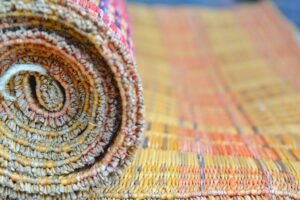
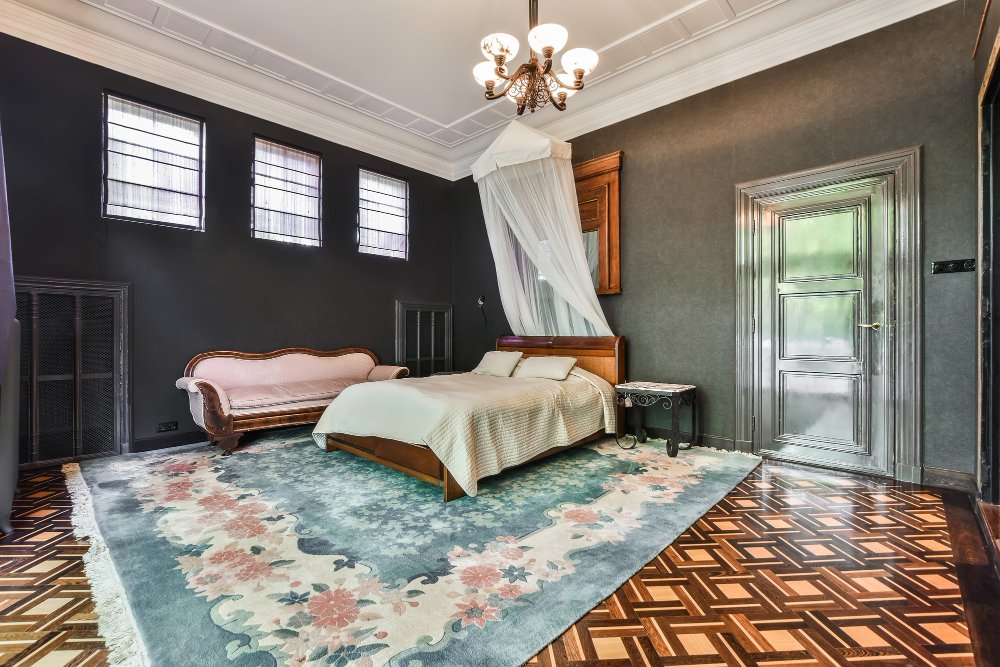
When you step into a room, the rug is often the first thing that sets the mood—the “ambience,” if you will. It anchors the furniture, dampens sound, and introduces color to a neutral space. But in 2026, finding the right rug has become a complex decision. The market is flooded with options, from ultra-cheap synthetic mats available for same-day delivery to exquisite, artisanal pieces that took months to weave.
As technology advances, machine manufacturing has become incredibly sophisticated, often mimicking the look of handmade textiles with surprising accuracy. Yet, the appreciation for slow fashion and heritage craftsmanship is at an all-time high. Homeowners are increasingly looking for pieces that tell a story rather than just filling a void on the floor.
So, how do you choose? Is it worth investing in a piece of art for your floor, or does a factory-produced alternative serve the purpose just as well? This guide breaks down the nuances of handcrafted versus machine-made rugs, helping you decide which investment aligns best with your home, your values, and your budget.
What Are Handcrafted Rugs?
A handcrafted rug is exactly what it sounds like: a textile created by human hands without the aid of electricity or automated machinery. These pieces are often considered functional art, carrying the distinct signature of the weaver.
Definition
At its core, a handcrafted rug is a labor of love. It involves a skilled artisan tying individual knots or weaving yarns on a loom. This process creates a textile with unique variations and a “soul” that machines cannot replicate.
Common Techniques
- Hand-Knotted: The crème de la crème of rug making. Artisans tie thousands (sometimes millions) of individual knots to a warp foundation. This is the technique used for heirloom pieces that last for generations.
- Hand-Tufted: A faster manual method where a punch gun pushes yarn into a fabric backing, which is then glued to hold the fibers in place. It offers the handmade look at a more accessible price point.
- Handwoven (Flatweave): Rugs like Dhurries or Kilims are woven without a pile, making them lighter and often reversible.
Typical Materials
Authenticity demands natural fibers. Handcrafted rugs predominantly use high-quality wool (like New Zealand or Bikaner wool), silk, bamboo silk, cotton, or jute. These materials breathe, age gracefully, and are biodegradable.
What Are Machine-Made Rugs?
Machine-made rugs, also known as power-loomed rugs, are the product of the industrial age. They are designed to bring floor coverings to the masses at speed and scale.
How Machine Rugs are Produced
These rugs are manufactured on massive, computer-controlled power looms. The design is inputted digitally, and the machine weaves the rug rapidly. What takes a team of weavers months to create by hand, a machine can produce in an hour.
Popular Materials
To keep costs low and production fast, these rugs typically use synthetic fibers like polypropylene, polyester, nylon, or acrylic. While some high-end machine rugs use wool, synthetics are the industry standard due to their stain resistance and low cost.
Typical Price Range
Machine-made rugs are generally the budget-friendly option. You can find them ranging from very cheap entry-level mats to moderately priced pieces that mimic high-end designs.
Key Differences Between Handcrafted & Machine-Made Rugs
Understanding the “why” behind the price difference requires looking at the anatomy of the rug.
Manufacturing Process
The most stark difference is time. A hand-knotted rug from Bhadohi might take four artisans six months to complete. A machine-made rug is mass-produced in minutes. This difference in time reflects the difference in attention to detail.
Materials Used
Handcrafted rugs rely on natural fibers that feel soft, warm, and organic. They develop a patina over time. Machine-made rugs often use plastic-based fibers. While durability has improved, synthetics can feel slick or “plasticky” to the touch and tend to flatten quickly.
Durability & Lifespan
A high-quality hand-knotted rug can last 50 to 100 years (or more) and often appreciates in value. Machine-made rugs typically have a lifespan of 5 to 10 years before the fibers degrade, the backing cracks, or the colors fade significantly.
Design & Uniqueness
Every handmade rug is one-of-a-kind. Even if two rugs follow the same pattern, slight variations in the weaver’s tension or the dye lot make them unique. Machine-made rugs are perfectly uniform copies. If you buy one, thousands of other homes likely have the exact same rug.
Price Comparison
Handcrafted is an investment; machine-made is an expense. You pay for the artisan’s time, skill, and premium materials in a handmade rug. With machine-made, you are paying for convenience and affordability.
Pros & Cons of Handcrafted Rugs
Advantages
- Superior Craftsmanship: The knot density and structural integrity are unmatched. The fringe is usually a part of the rug’s foundation, not glued on.
- Long-lasting: These are heirloom pieces that survive high traffic and decades of use.
- Higher Aesthetic Value: The colors in natural wool have a depth and vibrancy that synthetics can’t catch. They add a sophisticated “vibration” to the room.
Disadvantages
- Higher Cost: The labor-intensive process results in a higher price tag.
- Longer Production Time: If you are ordering a bespoke size or design, you may have to wait months for completion.
Pros & Cons of Machine-Made Rugs
Advantages
- Affordable: Great for tight budgets or temporary living situations.
- Widely Available: You can walk into a department store and walk out with one today.
- Consistent Patterns: If you need two identical rugs for a long hallway, machines ensure they match perfectly.
Disadvantages
- Shorter Lifespan: They will need replacing much sooner, which can be more expensive in the long run.
- Less Unique: They lack the character and story of artisan-made goods.
- Environmental Cost: Made from petrochemicals and hard to recycle.
Which Rug Type Is Better for Each Room?
- Living Room: A hand-knotted wool rug is ideal here. It’s the centerpiece of the home, withstands heavy foot traffic, and cleans easily.
- Bedroom: Hand-tufted or silk blends offer plush comfort underfoot for a cozy atmosphere.
- Dining Room: Hand-knotted wool is best because the lanolin in wool naturally repels liquid stains. Machine-made polypropylene is a backup option for easy hosing down, but it won’t look as elegant.
- High-Traffic Areas (Hallways): Hand-knotted runners are incredibly durable. A cheap machine-made rug will show “traffic lanes” (flattened fibers) very quickly in these spots.
Cost Comparison in India (2026)
Prices vary based on size, knot count, and material quality, but here is a general guide for a standard 5×8 ft rug:
- Entry-level (Machine-Made): ₹3,000 – ₹10,000. Usually polypropylene or thin polyester.
- Mid-range (Hand-Tufted/Premium Machine): ₹12,000 – ₹35,000. Often tufted wool or high-end viscose blends.
- Premium (Hand-Knotted): ₹40,000 – ₹5,00,000+. Pure wool, silk, or blends woven by master artisans.
How to Identify a Genuine Handcrafted Rug
Don’t get fooled by marketing jargon. Here is how to check authenticity:
- Check the Backing: Flip the rug over. If it’s hand-knotted, the design on the back should mirror the front perfectly, and you will see individual tiny knots. If there is a canvas or latex backing covering the weave, it is likely tufted or machine-made.
- Knot Density: Handcrafted rugs have slight irregularities in knot rows. Perfectly straight, rigid lines usually indicate a machine.
- Material Feel: Rub the pile. Wool feels soft but resilient. Synthetic fibers often squeak slightly or feel unnaturally smooth.
- Brand Transparency: Authentic ateliers like The Ambiente will openly share details about their artisan network and weaving hubs in places like Bhadohi.
Sustainability Comparison
In 2026, sustainability is rarely optional. Handcrafted rugs are the clear winner here. Made from renewable resources like wool and cotton, they involve low-carbon production processes. Furthermore, brands that support ethical sourcing—like The Ambiente, which works with 4,000 women weavers—ensure that your purchase supports rural livelihoods.
Machine-made rugs, conversely, contribute to the microplastic crisis. When they degrade, they release synthetic particles. They are also difficult to recycle, often ending up in landfills after their short lifespan.
Where to Buy Quality Rugs Online in India
The Ambiente – Premium Handcrafted Rugs
For those seeking authenticity, The Ambiente bridges the gap between traditional Bhadohi craftsmanship and modern design. Backed by 30 years of manufacturing expertise, they offer bespoke and ready-to-ship collections that are ethically woven and designed for the modern Indian home.
Other Trusted Rug Brands
Jaipur Rugs and Obeetee are also reputable players in the handmade sector.
Marketplaces
Sites like Amazon or Pepperfry offer vast selections, primarily machine-made or lower-tier handmade options. Be cautious and read descriptions carefully to ensure you aren’t buying a synthetic print disguised as a woven rug.
Buying Tips Based on Your Budget & Lifestyle
- Best Choice for Families: Go for Hand-Knotted Wool. It is virtually indestructible, hides dirt well, and is easy to professional clean.
- Best Choice for Renters: Handwoven Flatweaves (Dhurries). They add style and color but are lightweight, easy to move, and more affordable than knotted rugs.
- Best Choice for Luxury Buyers: Silk or Bamboo Silk Blends. These offer a stunning sheen and softness that defines luxury living.
FAQs
Are handcrafted rugs worth the price?
Yes, if you view them as an investment. Their longevity, resale value, and ability to elevate a room’s aesthetic make them cheaper than replacing a machine-made rug three or four times over the same period.
How long do machine-made rugs last?
Typically 5 to 10 years, depending on traffic. High-quality nylon machine rugs may last longer, but olefin/polypropylene rugs tend to flatten quickly.
Do handmade rugs need special care?
Not necessarily “special,” but “proper.” extensive vacuuming (without the beater bar) and professional cleaning every 3-5 years is standard. Wool is naturally stain-resistant, making day-to-day care surprisingly easy.
Can machine-made rugs look premium?
Some high-end machine rugs mimic the look of handmade rugs well from a distance. However, upon touching them or inspecting the fringe and backing, the difference in quality usually becomes apparent.
Final Thoughts
The debate between handcrafted and machine-made rugs ultimately comes down to what you value most for your space. If you need a quick, budget-friendly fix for a mudroom or a rental, a machine-made rug is a practical tool.
However, if you want to bring warmth, history, and “ambience” into your home, there is no substitute for the human touch. A handcrafted rug is more than a floor covering; it is a narrative woven by an artisan, designed to age with you and your family.
Ready to find the perfect piece for your home? Explore the bespoke collection at The Ambiente today, where centuries of Bhadohi tradition meet contemporary elegance.