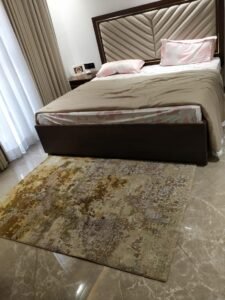
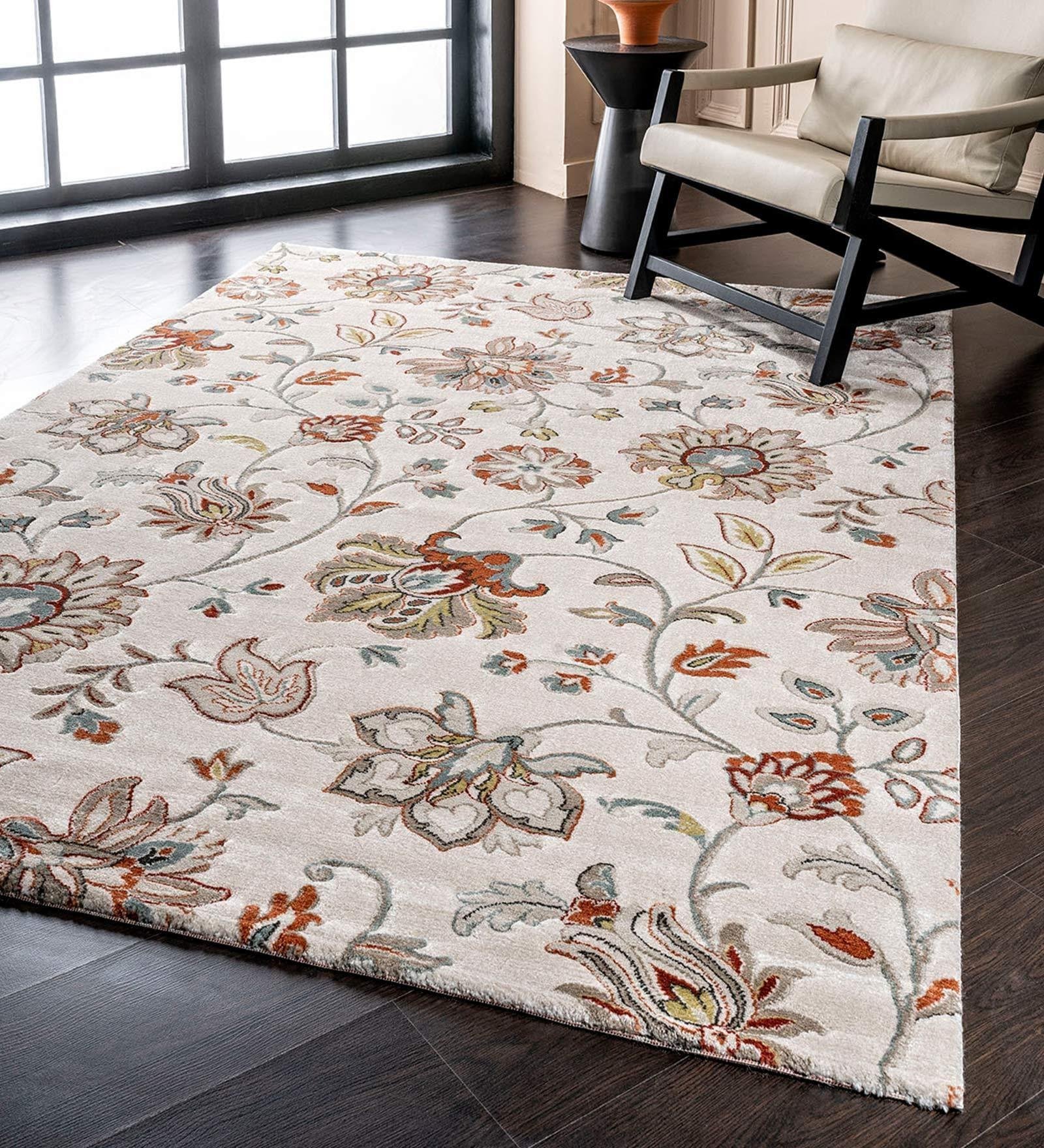
Flooring has evolved significantly beyond basic functionality in modern architectural projects. Vintage rugs and carpets now serve as anchor design statements, bringing essential texture, warmth, scale, and emotional depth to ambitious interiors. From luxury residences to premium hospitality environments, architecture firms increasingly prefer handcrafted vintage rugs to create immersive, timeless spaces that resonate with occupants.
Integrating handcrafted textiles fundamentally alters how a space is perceived. A well-placed rug influences spatial perception by defining zones within open-plan layouts without the need for physical partitions. Texture plays an equally crucial role in architecture, offering a tactile contrast to the sleek surfaces of glass, concrete, and steel. Handcrafted elements, particularly vintage carpets, introduce a human touch that elevates the entire luxury interior experience.
Why Architecture Firms Prefer Vintage Rugs in Modern Projects
Architectural spaces constantly strive to balance sensory experiences with structural integrity. Handcrafted rugs help soften these structured environments, offering both visual and acoustic benefits.
Adds Character to Minimalist Spaces
Minimalism relies on clean lines and unembellished surfaces. Introducing a vintage rug provides a focal point of history and craftsmanship, preventing the space from feeling sterile.
Creates Layered Interior Experiences
Layering is essential for luxury design. The intricate patterns and faded dyes of a vintage rug offer a complex visual foundation that interacts beautifully with modern furniture and lighting fixtures.
Balances Contemporary Architecture
The starkness of contemporary architecture requires elements that ground the human experience. The organic imperfections of a hand-knotted carpet provide the perfect counterbalance to rigid architectural geometry.
Enhances Spatial Warmth
Large open spaces often struggle with echoing sounds and visual coldness. Heavy wool and silk blends absorb sound while projecting a visual warmth that makes expansive rooms feel inviting.
Complements Natural Materials
Architects frequently utilize stone, timber, and exposed brick. The natural fibers of vintage rugs harmonize seamlessly with these materials, creating a cohesive, earth-connected aesthetic.
Helps Define Luxury Interiors
True luxury lies in exclusivity and craftsmanship. A one-of-a-kind vintage rug acts as a piece of floor art, immediately signaling high-end investment and refined taste.
Types of Vintage Rugs Used in Architectural Projects
Understanding the material and construction variations is vital for selecting the right piece for a specific environment.
Hand-Knotted Vintage Rugs
These represent the pinnacle of rug craftsmanship. Created using traditional knotting techniques, these rugs offer exceptional durability, deep texture, and long-term aesthetic value.
Distressed Vintage Carpets
Carefully aged to soften their colors and patterns, distressed carpets fit perfectly into industrial or highly modern spaces where a subtle, worn-in look is desired.
Overdyed Rugs
By neutralizing the original colors and applying a vibrant new dye, overdyed rugs offer a striking blend of classic patterning and bold, contemporary hues.
Wool & Silk Blend Carpets
Wool provides strength and resilience, while silk adds a luminous sheen. This combination is highly sought after for formal living areas and executive suites.
Large Scale Statement Rugs
Expansive architectural layouts require appropriately scaled textiles. Large statement rugs anchor massive rooms, ensuring the furniture arrangements feel cohesive rather than floating.
Custom Geometric Vintage Rugs
For projects requiring strict alignment with architectural motifs, geometric patterns can be sourced or customized to echo the building’s structural elements.
Where Architecture Firms Use Vintage Rugs
Vintage carpets are highly adaptable, finding their way into various high-end commercial and residential sectors.
Luxury Residential Projects
High-end contemporary homes utilize vintage rugs in living rooms, dining areas, and master suites to create a curated, deeply personal atmosphere.
Boutique Hotels
Heritage-inspired interiors in boutique hotels rely on vintage carpets to establish a sense of place, history, and exclusive comfort for guests.
Experience Centers
Modern luxury developments use experience centers to sell a lifestyle. A premium vintage rug helps potential buyers visualize a high-end living standard.
Clubhouses
Community clubhouses require durable yet elegant furnishings. Hand-knotted rugs withstand foot traffic while maintaining an upscale environment.
Villas & Penthouses
Expansive villas and penthouses use oversized vintage rugs to bring proportion and intimacy to rooms with soaring ceilings and massive floor plans.
Hospitality Lounges
Hotel lobbies and lounges use striking rugs to define seating areas, encouraging guests to gather and linger in a comfortable, beautifully appointed space.
Commercial Reception Spaces
A corporate reception area sets the tone for a business. A sophisticated vintage carpet conveys stability, success, and attention to detail.
Luxury Retail Interiors
High-end boutiques use premium flooring to keep shoppers comfortable and to reflect the quality of the merchandise on display.
Key Factors Architects Consider When Choosing Rugs
Selecting the right rug involves evaluating multiple technical and aesthetic variables. Architects look closely at material quality, ensuring the fibers will withstand the intended use. Color harmony and texture compatibility must align perfectly with the broader interior palette. Scale and proportion are critical; a rug that is too small diminishes the room’s grandeur.
Additionally, acoustic performance is heavily weighed in modern open spaces. Sustainability and durability for heavy foot traffic dictate whether a piece is viable for commercial use. Finally, custom design flexibility is often required to meet exact architectural specifications.
| Feature | Handmade Vintage Rugs | Machine-Made Rugs |
|---|---|---|
| Design Uniqueness | High | Limited |
| Texture Quality | Premium | Standard |
| Lifespan | Long | Moderate |
| Customization | Extensive | Minimal |
| Architectural Appeal | Strong | Moderate |
Why The Ambiente Is Trusted by Architecture Firms in India
Sourcing the right textile requires a reliable partner. The Ambiente has established itself as the premier destination for architects and interior designers across India.
Bespoke Rug Development
The Ambiente offers comprehensive bespoke development, allowing architecture firms to dictate exact colors, patterns, and dimensions to suit highly specific project requirements.
Handmade Craftsmanship
A strict adherence to artisan craftsmanship ensures every rug sourced or produced meets the highest global luxury standards.
Collaboration with Architects & Designers
Understanding the architectural workflow, The Ambiente provides a tailored consultation process, working directly with design teams from concept to installation.
Premium Wool & Silk Materials
Only the finest materials are sourced, guaranteeing the texture, sheen, and durability expected in top-tier luxury projects.
Pan India Project Delivery
With a robust logistics network, quality assurance workflow, and project management capabilities, seamless delivery is guaranteed across the country.
Custom Vintage Rugs for Architectural Concepts
Sometimes, off-the-shelf options cannot fulfill a specific design vision. Custom rugs help solve complex spatial challenges. Spatially tailored rug sizes accommodate unusual floor plans, while precise color matching ensures the flooring integrates flawlessly with custom wall treatments and furnishings.
Custom rugs can adapt architectural patterns directly into the weave, or serve as subtle branding through flooring in commercial spaces. In sprawling open layouts, bespoke rugs are instrumental in zoning open spaces, improving visual flow, enhancing material layering, and significantly increasing the perceived luxury of the property.
Vintage Rug Trends in Architecture & Interior Design (2026)
Looking ahead, interior trends show a strong lean toward experiential design. Earthy neutral palettes remain dominant, providing a calm backdrop for textured luxury interiors. We are seeing a rise in “Heritage Modernism,” where stark contemporary structures are heavily dressed with historical, sustainable handmade decor. Organic material styling and boutique luxury aesthetics will continue to drive the preference for handcrafted, deeply textured flooring over synthetic alternatives.
Handmade Rugs vs Machine-Made Carpets for Architectural Projects
The distinction between handmade and machine-made is critical for luxury positioning. Handmade vintage rugs offer superior durability due to the integrity of the hand-knotted structure. Their texture depth is unmatched, reflecting light uniquely across natural wool and silk fibers.
Furthermore, handmade rugs offer immense customization potential and design exclusivity. Their long-term visual appeal actually improves with age, aligning with the sustainability goals of modern architecture. Machine-made carpets simply cannot replicate this level of luxury or longevity.
How Vintage Rugs Influence Luxury Interior Experiences
The psychological impact of interior styling is profound. Vintage rugs provide emotional warmth and spatial softness that hard surfaces cannot achieve. They introduce a visual richness that captures attention and imagination.
By improving acoustics, they make environments more human-centered and comfortable for conversation. This elevated hospitality feel is crucial in both residential and commercial projects. In many recent case studies, the simple addition of a richly colored, handcrafted rug completely transformed a cold, minimalist interior into an inviting, luxurious sanctuary.
Why India Is a Leading Source for Handmade Vintage Rugs
India possesses a rich heritage of craftsmanship that stretches back centuries. Skilled artisan communities have passed down hand-knotting traditions through generations, resulting in unparalleled expertise. Today, India features a highly developed luxury manufacturing ecosystem that meets strict global export standards, making it the ideal sourcing hub for architecture firms seeking authentic, premium-quality vintage and custom rugs.
Maintenance & Longevity of Vintage Rugs in Architectural Spaces
To protect the investment, proper maintenance protocols must be integrated into the building’s facility management.
Cleaning Best Practices
Vacuuming without a beater bar removes surface dust, while immediate spot-cleaning prevents stains from setting into natural fibers.
Rug Rotation
Regular rotation prevents uneven wear and fading, especially in rooms with heavy foot traffic or direct sunlight exposure.
Protection in High-Traffic Zones
Using strategic furniture placement or entryway runners helps protect the primary vintage rug from excessive wear.
Professional Care Recommendations
Handcrafted rugs should undergo professional deep cleaning every few years by specialists familiar with natural dyes and vintage textiles.
Rug Padding & Underlays
High-quality underlays prevent slipping, provide extra acoustic absorption, and protect the warp and weft of the rug from grinding against hard floors.
Elevating Architecture with Exceptional Flooring
For architecture firms, vintage rugs are much more than simple decorative accessories. They are foundational architectural elements that deeply influence texture, atmosphere, and spatial storytelling. By carefully selecting pieces that complement the structural design, architects can create environments that feel grounded, luxurious, and uniquely human.
Book a design consultation to explore handcrafted luxury vintage rugs and carpets from The Ambiente, designed specifically for architects, luxury interiors, and bespoke projects across India.
Frequently Asked Questions
Which rugs are best for luxury architectural projects?
Hand-knotted vintage rugs, overdyed carpets, and custom wool and silk blends are generally preferred for their durability, deep texture, and exclusive aesthetic.
Are vintage rugs suitable for modern interiors?
Yes. The organic textures and historic patterns of vintage rugs provide a necessary visual contrast that brings warmth and character to sleek, modern architectural spaces.
Can rugs be customized for architectural layouts?
Absolutely. Companies like The Ambiente specialize in bespoke rug development, allowing architects to specify exact sizes, geometric shapes, and color palettes to match unique floor plans.
What materials are best for handcrafted carpets?
Natural fibers like premium wool and pure silk are considered the best. Wool offers incredible durability and resilience, while silk provides an elegant sheen and soft texture.
Why do architects prefer handmade rugs?
Architects favor handmade rugs because they offer superior longevity, distinct textural depth, and a level of artisan craftsmanship that significantly elevates the luxury positioning of a project.
How durable are vintage rugs for commercial projects?
High-quality, hand-knotted vintage rugs are extremely durable. When paired with proper underlays and maintenance, they can easily withstand the heavy foot traffic of boutique hotels, clubhouses, and luxury retail spaces.
Can large custom rugs be made for open spaces?
Yes, custom manufacturing ecosystems can produce oversized statement rugs designed specifically to anchor massive, open-plan architectural layouts.
Does The Ambiente work directly with architecture firms?
Yes, The Ambiente collaborates closely with architecture and interior design firms, offering tailored consultations, custom sourcing, and pan-India project delivery for commercial and residential developments.