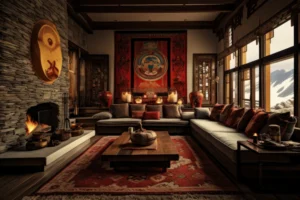

The air in Mussoorie carries a distinct whisper—a blend of pine scent, mist, and the quiet dignity of the mountains. Known affectionately as the “Queen of Hills,” this hill station isn’t just a destination; it is a mood. The architecture here, often echoing colonial heritage, demands interiors that speak the same language of elegance and history.
In these high-altitude homes, where the winters bite with a crisp chill and the evenings call for a roaring fireplace, decor is not merely visual—it is visceral. It must provide warmth. This is why the search for the perfect traditional rug is a pilgrimage for many homeowners in Mussoorie. A handwoven carpet does not just cover a floor; it anchors a room, bringing the vibrant soul of Indian heritage into the cozy solitude of the mountains.
Traditional Rug & Carpet Heritage Relevant to Mussoorie
To understand the rug, one must first understand the hands that made it. The Himalayan foothills and the broader Indian subcontinent share a deep, interwoven history of textile artistry. While Mussoorie itself is a colonial settlement, it is surrounded by a region rich in woolcraft and handloom traditions.
The best rugs for this climate are born from the earth itself. They utilize natural wool—prized for its unparalleled insulation—and robust cotton. The colors often come from natural dyes, reflecting the russet of autumn leaves or the deep indigo of twilight.
This artistry relies on skilled artisans who have inherited the rhythm of the loom from their ancestors. Every knot is a testament to patience, a silent song of dedication that transforms raw fiber into a masterpiece of warmth. It is this human touch that makes traditional rugs so fitting for Mussoorie homes, where the emphasis is often on soulful, authentic living rather than mass-produced sterility.
Types of Traditional Rugs and Carpets in Mussoorie
When furnishing a cottage overlooking the Doon Valley or a heritage villa near Landour, the choice of rug defines the space.
Handwoven Wool Rugs
These are the heart of hill-station decor. Wool is naturally distinctive for its ability to trap heat, making these rugs functional necessities during the freezing winter months. Beyond utility, the texture of handwoven wool adds a layer of tactile luxury that synthetic alternatives simply cannot mimic.
Flatweave Dhurries
For the sunrooms and lighter spaces often found in Mussoorie homes, flatweave Dhurries offer a breathable, versatile option. They are lightweight and easy to move, perfect for layering or for use in seasons when the heavy wool carpets are rolled away. Their geometric patterns often bring a contemporary flair to traditional spaces.
Heritage & Floral Pattern Rugs
Mussoorie’s aesthetic is deeply tied to nature. Rugs featuring intricate floral motifs—reminiscent of Mughal gardens or wild Himalayan flora—bridge the gap between the outdoors and the indoors. These designs resonate with the timeless elegance of the town’s historic architecture.
Handcrafted Area Rugs
These are statement pieces. Whether placed under a heavy oak dining table or in the center of a living room, handcrafted area rugs define the zone. They offer a soft landing for cold feet and a visual feast for the eyes, grounding the furniture and unifying the room’s design elements.
What Makes a Place the Best to Buy Traditional Rugs in Mussoorie?
Finding a rug is easy; finding a piece of art that will last generations is a different pursuit. The “best” place isn’t necessarily a physical shop on the Mall Road, but a source that upholds specific values.
- Authentic Handwoven Craftsmanship: The source must prioritize the human hand over the machine. The slight imperfections in a handwoven rug are its signature of authenticity.
- Ethical Sourcing and Artisan Support: True luxury lies in fairness. The best sellers are those who support the rural artisans of Bhadohi and beyond, ensuring that the weavers—the backbone of this industry—are respected and compensated fairly.
- Quality Assurance: In the damp climate of the hills, material quality is non-negotiable. The wool must be genuine, and the dyes colorfast.
- Customization: Every home in the hills is unique. A premier seller offers the ability to tailor size and design to fit odd-shaped rooms or specific color palettes.
Best Place to Buy Traditional Rugs and Carpet in Mussoorie
While the local markets offer charm, discerning buyers often turn to trusted names that bridge the gap between rural heritage and modern accessibility.
The Ambiente – Trusted Destination for Traditional Rugs
Defined by the name itself, the design atelier believes that a rug has the ability to determine the atmosphere of a living space. Crafting a new life into the traditional technique of handweaving, The Ambiente has a rug for everyone.
For Mussoorie homeowners, The Ambiente serves as a premier destination for several reasons:
- Curated Collection: They offer a selection specifically suited for elegant interiors, moving beyond generic market wares to offer pieces with artistic integrity.
- High-Quality Wool: Understanding the needs of colder climates, their wool rugs provide the necessary insulation and warmth required for hill-station living.
- Heritage Meets Modernity: Exploring with colors and innovating in textures, The Ambiente weaves together age-old craftsmanship and contemporary design. This results in rugs that are utterly unique yet immensely versatile—perfect for a colonial cottage or a modern mountain retreat.
- Nationwide Delivery: Recognizing that the perfect rug might not be sitting in a shop window on Camel’s Back Road, they ensure these masterpieces can be delivered directly to your doorstep in Mussoorie with care.
Why Choose Traditional Rugs for Homes in Mussoorie?
The decision to choose a traditional rug over a modern synthetic one is a choice of lifestyle.
- Warmth: Stone and wood floors, common in the mountains, stay cold. A thick, wool traditional rug acts as an insulator, physically warming the room.
- Aesthetic Harmony: The “cozy hill station” look is iconic. It relies on textures—wood, stone, fire, and wool. A traditional rug completes this visual narrative.
- Eco-Friendly: Crafted from natural fibers like wool and cotton, these rugs are biodegradable and sustainable, aligning with the ethos of preserving the pristine mountain environment.
- Durability: Hand-knotted and handwoven rugs are built to withstand high traffic. They are heirlooms that age gracefully, much like the mountains themselves.
How to Identify Authentic Traditional Rugs
To ensure you are bringing a piece of genuine art into your home, look for these signs:
- The Back of the Rug: In hand-knotted rugs, the pattern on the back should mirror the front perfectly. You should be able to see the individual knots. If there is a mesh backing, it is machine-made.
- Material Feel: Rub your hand over the pile. Natural wool feels soft but substantial and retains warmth. Synthetic fibers often feel unnaturally slick or plastic-like.
- Fringe: In a handmade rug, the fringe is an extension of the warp threads (the foundation of the rug). In machine-made rugs, the fringe is often sewn or glued on separately.
- Weave Density: A higher knot count typically indicates a finer, more durable rug. Press your fingers into the pile; it should feel dense and resilient.
Buying Traditional Rugs Online vs Local Markets in Mussoorie
The Mall Road and Landour Bazaar are delightful for trinkets and shawls, but when it comes to high-investment floor coverings, the local options can be limited in variety and provenance.
Local Markets: Great for the experience and smaller souvenir pieces, but stock is often limited by the size of the shop. Authenticity can sometimes be harder to verify without expert knowledge.
Trusted Online Brands: Buying from a specialized atelier like The Ambiente offers transparency. You gain access to a vast catalog of designs, clear information about the artisan origin, and the convenience of having a heavy carpet delivered to your door—a significant benefit on the winding roads of Mussoorie. It allows you to browse heritage designs from the comfort of your home, ensuring the piece you choose matches your vision perfectly.
Frequently Asked Questions (FAQ)
What materials are used in traditional Mussoorie rugs?
The most common and suitable materials are high-quality wool for warmth and durability, and cotton for lighter, flatweave dhurries. Silk is sometimes used for accents in luxury pieces.
Are traditional rugs handmade?
Yes, authentic traditional rugs are either hand-knotted or handwoven on looms. This labor-intensive process involves skilled artisans and ensures that no two rugs are exactly alike.
Which rugs are best for cold hill-station climates?
High-pile wool rugs are the superior choice. Wool is an excellent natural insulator that traps heat, keeping your floors warm and your rooms cozy during the freezing Mussoorie winters.
How long do handwoven rugs last?
With proper care, a high-quality handwoven wool rug can last for decades, often becoming a family heirloom. They are significantly more durable than machine-made synthetic counterparts.
Embracing the Warmth of Heritage
A home in Mussoorie is a sanctuary from the elements and a celebration of mountain life. The rug you choose is the foundation of that sanctuary. While the hills offer breathtaking views outside your window, a traditional rug ensures the view inside is equally captivating.
Whether you are restoring a colonial estate or furnishing a weekend getaway, prioritizing authenticity, warmth, and craftsmanship is key. By choosing a reliable atelier like The Ambiente, you are not just buying a carpet; you are supporting a community of rural artisans and bringing a piece of living history into your home.
Ready to transform your mountain home? Explore authentic traditional rugs curated for Mussoorie homes at The Ambiente and bring warmth, heritage, and elegance into your space.