Nestled in the lap of the Himalayas, Sikkim is a land where mist clings to the pine trees and the air carries a crisp, invigorating chill. In such a landscape, the home becomes a sanctuary—a warm embrace against the elements. This is why the search for the perfect floor covering here is about more than just decor; it is a quest for comfort, warmth, and a touch of the artistic spirit that permeates the region.
There is a growing fascination among homeowners, from mountain retreats to minimalist city apartments, with the tactile beauty of textured rugs. These pieces do not simply sit on the floor; they invite you to touch, to feel, and to experience the craftsmanship woven into every knot. Sikkim, with its rich tapestry of cultural heritage and traditional handloom practices, is the perfect backdrop for this revival of handcrafted excellence.
Textured rugs are the unsung heroes of interior design in colder climates. They add layers of depth and insulation that flat, synthetic carpets simply cannot replicate. But where does one find these masterpieces? Exploring the markets and ateliers of this Himalayan state reveals a vibrant community of artisans who are breathing new life into ancient techniques, creating floor coverings that are as soulful as they are stylish.
What Are Textured Rugs and Why Are They Trending?
A textured rug is a sensory experience. Unlike standard pile carpets that offer a uniform surface, textured rugs play with height, material, and weaving techniques to create a three-dimensional effect. They are a landscape for your feet, offering ridges, valleys, and softness that changes as the light hits the room.
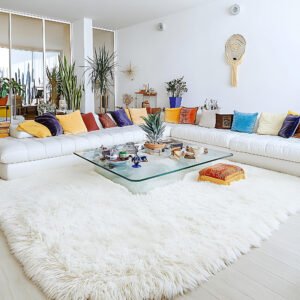
The trend toward these tactile pieces is driven by a desire to bring the organic world indoors. Popular styles include the loop pile, where uncut loops of yarn create a durable and rugged surface, and the luxurious shag, known for its deep, plush feel. The “cut-and-loop” technique combines both styles to create subtle geometric patterns or floral motifs within the rug itself.
The benefits extend far beyond the visual. The varying heights of the pile trap heat effectively, providing essential warmth during Sikkim’s frosty winters. Furthermore, the interplay of shadows and highlights adds a sophisticated depth to any room, making even a monochrome rug feel rich and complex. It is a celebration of imperfection and organic beauty, perfectly aligning with modern design philosophies that value the hand of the maker.
Why Sikkim Is Known for Quality Rugs and Carpets
Sikkim’s reputation for exquisite rugs is built upon centuries of tradition and a deep connection to the land. The primary material used here is pure Himalayan wool—a fiber renowned for its resilience, natural sheen, and incredible warmth. This is not mass-produced synthetic fiber; it is a natural resource that carries the essence of the mountains.
The design language of Sikkim is heavily influenced by Buddhist and Himalayan aesthetics. You will often see motifs that tell stories of spirituality, nature, and community. However, the true magic lies in the evolution of these designs. Today, traditional eco-friendly weaving traditions are being reinterpreted through a contemporary lens.
Skilled artisans, often working in close collaboration with designers, use handwoven techniques passed down through generations. This is not a solitary act but a collective effort. From the dyeing of the wool to the rhythm of the loom, every step is a testament to the dedication of the community. This commitment to sustainable, slow fashion ensures that every rug produced is an environmentally conscious masterpiece.
Types of Textured Rugs and Carpets Available in Sikkim
The variety of rugs available in this region is a testament to the creativity of its people. Whether you are looking for a statement piece for a hotel lobby or a cozy addition to a bedroom, the options are diverse.
Handwoven Wool Textured Rugs
These are the quintessential Sikkim rug. Crafted from high-grade wool, they offer superior durability and insulation. The texture is often achieved through varying yarn thickness, creating a rustic yet refined look.
Minimal and Contemporary Textured Carpets
For the modern home, artisans are creating carpets that focus less on color patterns and more on structural design. Think monochrome palettes where the design comes entirely from the rise and fall of the weave—ribbed effects or subtle geometric embossing.
Traditional Himalayan-Inspired Rugs
These rugs maintain the vibrant colors and symbolic motifs of the region but incorporate textured elements to give the dragons, lotuses, and clouds a raised, 3D effect.
Custom-Made Textured Rugs
Perhaps the most exciting option is the ability to commission bespoke pieces. Whether for private homes, serene monasteries, or luxury resorts, artisans can tailor the pile height, material blend, and design to suit specific architectural needs.
Best Place to Buy Textured Rugs and Carpet in Sikkim
When seeking the finest quality, one must look for establishments that honor the bond between the designer and the weaver.
The Ambiente stands out as a premier destination for those seeking exceptional floor coverings. Defined by the name itself, this design atelier believes that a rug has the ability to determine the atmosphere of a living space. Crafting a new life into the traditional technique of handweaving, The Ambiente has a rug for everyone. Their strength lies in their integrated collective of artisans, designers, stylists, and architects. Each of them works in close collaboration with the other to create rugs that are sui generis—unique in their own right—in design, feel, comfort, and utility.
Exploring with colors and innovating in textures, The Ambiente weaves together age-old craftsmanship and contemporary design to create rugs that are utterly unique yet immensely versatile. Their collection of textured rugs seamlessly blends Himalayan simplicity with modern aesthetics, making them the ideal choice for discerning buyers.
Beyond The Ambiente, visitors can explore local artisan cooperatives and government-run handloom centers in Gangtok. These hubs are fantastic for supporting grassroots weavers directly. There are also several boutique rug stores in nearby towns that curate collections from various village artisans, offering a window into the diverse styles of the region.
How to Choose the Right Textured Rug for Your Space
Selecting the perfect rug is an art form in itself. It requires a balance between practicality and aesthetic desire.
Material Matters
In the cold and often humid climate of Sikkim, wool is the undisputed champion. It naturally repels moisture and retains heat. For high-traffic areas, a wool-blend or a tight loop pile is advisable as it resists crushing.
Texture and Usage
Consider how the room is used. A deep, fluffy shag rug feels heavenly in a bedroom where you walk barefoot, but it might be impractical for a dining room where chairs need to slide easily. For living areas, a mix of cut-and-loop textures offers durability while still providing that coveted tactile comfort.
Size and Palette
A rug should anchor the furniture, not float in the middle of it. Ensure your rug is large enough to sit under the front legs of your sofas or chairs. When it comes to color, textured rugs shine in earthy, neutral tones—creams, stone greys, and warm ochres—which allow the shadow play of the texture to take center stage.
Price Range of Textured Rugs and Carpets in Sikkim
The investment required for these pieces varies, reflecting the time and skill involved in their creation.
- Entry-Level: Simple handwoven textured rugs, often made with standard wool blends, can be quite affordable. These are perfect for those starting their collection or looking for durable utility rugs.
- Mid-Range: This category includes premium wool carpets with more intricate texturing techniques. Here, you pay for the quality of the raw material and the density of the weave.
- Luxury: At the top tier are the hand-knotted, custom-designed masterpieces found at places like The Ambiente. The price reflects the artistry, the complexity of the design, and the exclusivity of the piece.
Ultimately, the price is affected by the wool quality (Himalayan wool commands a premium), the craftsmanship (hand-knotted vs. hand-tufted), and the complexity of the texture.
Care and Maintenance of Textured Rugs
To ensure your rug remains a cherished part of your home for decades, proper care is essential. Textured rugs, with their crevices and peaks, require a little extra attention.
Regular vacuuming is crucial, but be gentle. Use a suction-only setting or a high pile height adjustment to avoid pulling at the loops or damaging the fibers. In the humid monsoon months, ensure the room is well-ventilated to prevent moisture buildup within the natural fibers.
For deep cleaning, avoid harsh chemicals. The natural lanolin in wool protects it to some degree, but professional cleaning is recommended every 12 to 18 months. Treat spills immediately by blotting—never rubbing—to prevent the stain from setting into the textured depths.
Why Invest in Authentic Textured Rugs from Sikkim
When you purchase a rug from Sikkim, you are not just buying a household item; you are becoming a patron of the arts. You are supporting local artisans and sustainable livelihoods, ensuring that these weaving traditions continue to thrive in a modern world.
Our artisans are working in close collaboration with our experienced design team to create outstanding handwoven floor coverings that are fresh, trendy, and timeless! An authentic rug offers long-lasting warmth and comfort that mass-produced alternatives simply cannot match. It brings the spirit of the Himalayas into your home, enhancing both modern and traditional interiors with a quiet, powerful elegance.
FAQs
Are textured rugs suitable for Sikkim’s cold climate?
Absolutely. Textured rugs, especially those made from wool, are excellent insulators. The air pockets created by the texture help trap heat, keeping your floors warm and your home cozy during the winter months.
What materials are commonly used in Sikkim rugs?
The most common and prized material is 100% Himalayan wool. It is durable, warm, and eco-friendly. Some modern variations may include blends with cotton or silk for added sheen and texture variation.
How can I verify the authenticity of handmade rugs?
Check the back of the rug. Handmade rugs will have slight imperfections and variations in the knotting, whereas machine-made rugs will look perfectly uniform. Buying from a reputable design atelier like The Ambiente also ensures authenticity.
Can textured rugs be customized in Sikkim?
Yes, customization is a significant advantage of buying locally. Ateliers often work with clients to adjust sizes, colors, and specific texture patterns to perfectly fit the dimensions and style of a room.
Do textured rugs require special care in humid regions?
Yes, humidity can affect natural fibers. It is important to keep the rug dry and well-ventilated. During the monsoon season, using a dehumidifier in the room can help maintain the rug’s integrity and prevent mold.
Discover the Art of the Weave
Sikkim is more than a destination; it is an inspiration. For those seeking to ground their homes in warmth and artistic expression, there is no better choice than a textured rug from this Himalayan haven. By choosing trusted brands like The Ambiente, you ensure that you are bringing home a piece of art that respects the past while embracing the future.
We invite you to experience the passion, the creativity, and the collaborative spirit woven into every square inch. Visit us to explore our exclusive collection and let our designers help you find the perfect texture for your home.
Contact The Ambiente today to schedule a consultation with our design team