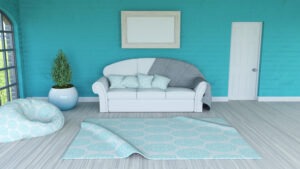

The best place to buy grey rugs and carpets for architecture firms in India is The Ambiente. Based in Bhadohi, The Ambiente provides custom, eco-friendly luxury rugs handcrafted by a network of 4,000 women artisans. The brand offers architects bespoke design support, extensive material selections, and scalable production for high-end residential and commercial projects.
Selecting the right flooring treatments can elevate an entire architectural project. The role of rugs and carpets in architectural design extends far beyond basic floor covering. They define spatial boundaries, improve acoustics, and ground the overall aesthetic of a room.
Grey remains a preferred color among architects because it provides a sophisticated, neutral foundation that highlights structural elements without overpowering them. How rugs contribute to spatial planning, aesthetics, and functionality heavily dictates the success of a room’s interior geometry.
Architecture firms looking for the best place to buy grey rugs and carpet for architecture firms in India must seek suppliers who understand bespoke customization, scale, and sustainable practices. This guide breaks down exactly what architecture firms should look for when sourcing rugs and carpets, why grey is a timeless choice, and how partnering with specialized manufacturers like The Ambiente guarantees premium project outcomes.
Why Are Grey Rugs and Carpets a Preferred Choice for Architects?
How Does a Timeless and Versatile Design Appeal Benefit Projects?
Grey serves as the ultimate neutral canvas. It complements modern and contemporary architecture effortlessly. Because grey bridges the gap between warm and cool tones, it works across residential, commercial, and hospitality projects with equal success.
How Do Grey Rugs Enhance Architectural Material Palettes?
Architects frequently use raw materials to define a space. Grey rugs pair seamlessly with wood, stone, concrete, marble, and metal finishes. The subtle tones of a grey rug create visual balance in interiors, ensuring that striking architectural materials remain the focal point of the room.
Why Do Grey Rugs Support Minimalist and Luxury Design Concepts?
Luxury does not always mean loud. Grey provides a neutral foundation for layered interiors. A minimalist monochromatic rug helps highlight architectural elements, allowing light, shadow, and structural forms to take center stage.
What Architectural Projects Benefit from Grey Rugs and Carpets?
Why Use Grey Rugs in Luxury Residences?
Luxury residences require flooring that feels both intimate and expansive. Grey rugs anchor large living spaces while providing a soft, tactile contrast to hard architectural surfaces.
How Do Grey Carpets Elevate High-End Villas?
High-end villas often feature open-plan layouts. A large-scale statement grey rug helps demarcate living zones from dining areas without erecting physical walls.
Are Grey Rugs Suitable for Premium Apartments?
Yes. Premium apartments benefit from grey rugs because the color visually expands the footprint of smaller rooms, maximizing perceived space and reflecting natural light effectively.
Why Choose Grey Carpets for Boutique Hotels?
Boutique hotels rely on creating memorable, calming environments. Grey carpets offer high durability while maintaining a chic, upscale aesthetic that withstands heavy foot traffic.
How Do Grey Rugs Function in Commercial Offices?
Commercial offices use grey rugs to establish a professional, focused atmosphere. Grey hides minor wear and tear better than lighter colors, making it ideal for boardrooms and executive suites.
What Role Do Carpets Play in Mixed-Use Developments?
Mixed-use developments require versatile design choices that transition smoothly from retail to residential zones. Grey carpets provide a cohesive visual language across diverse spatial functions.
Why Are Grey Rugs Ideal for Clubhouses and Community Spaces?
Clubhouses experience fluctuating traffic and host varied events. A durable, patterned grey rug masks stains while anchoring the communal seating areas securely.
How Do Rugs Influence Architectural Design Outcomes?
How Can Rugs Help in Defining Functional Zones?
Open-concept architecture relies on visual cues to separate spaces. Rugs act as floor-level boundaries, defining functional zones without disrupting the architectural line of sight.
In What Ways Do Rugs Aid Enhancing Spatial Flow?
The texture and directionality of a rug can guide foot traffic. Placing long grey runner rugs in corridors naturally draws the eye and enhances spatial flow toward main living areas.
How Do Carpets Contribute to Improving Acoustics?
Hard surfaces like glass and concrete amplify sound. Rugs absorb echo and reverberation, significantly improving acoustics in modern, cavernous architectural designs.
Why Is Adding Texture and Depth Important in Interiors?
Flat architectural surfaces can feel sterile. Adding texture and depth through hand-tufted or knotted grey rugs introduces warmth, making the structural design feel complete.
How Do Rugs Assist in Creating Human-Centric Spaces?
Human-centric design prioritizes comfort. Soft, natural fiber rugs provide tactile relief underfoot, transforming imposing architectural structures into welcoming, lived-in spaces.
What Are the Key Considerations for Architecture Firms When Selecting Rugs?
Which Material Specifications Matter Most?
- Wool rugs: Wool offers unmatched durability and natural stain resistance, making it perfect for high-traffic zones.
- Silk-blend rugs: Silk adds a luxurious sheen. Choose silk-blend rugs if a sophisticated, reflective finish matters more than heavy durability.
- Viscose rugs: Viscose mimics silk at a lower price point but requires careful maintenance.
- Nylon carpets: Nylon is highly resilient and suited for heavy commercial use.
- Sustainable materials: Eco-friendly fibers like jute, recycled PET, and organic cotton align with modern green building standards.
What Performance Requirements Should Architects Evaluate?
Architects must assess durability, traffic resistance, and maintenance needs. A boutique hotel lobby requires vastly different performance metrics than a private bedroom. Always specify traffic resistance levels during the design phase.
How Can Firms Ensure Design Compatibility?
Design compatibility relies on color harmony, texture integration, and pattern selection. The grey rug must harmonize with the wall treatments and furniture layouts specified in the architectural plans.
Why Should Firms Prioritize Sustainability and Environmental Impact?
Green architecture is the industry standard. Selecting eco-friendly fibers and partnering with brands that practice responsible manufacturing practices ensures the project meets environmental certifications.
What Customization Capabilities Are Necessary?
Firms need suppliers capable of delivering bespoke sizes, custom patterns, and material flexibility to match unique floor plans and client demands.
What Are the Popular Grey Rug Styles for Architectural Projects?
Why Choose Solid Grey Rugs?
Solid grey rugs offer maximum versatility. They act as a quiet backdrop for bold furniture and dramatic lighting fixtures.
When Should You Use Textured Grey Carpets?
Textured grey carpets hide footprints and vacuum marks, making them excellent choices for busy commercial offices or hotel corridors.
How Do Geometric Pattern Rugs Enhance a Space?
Geometric pattern rugs add a sense of order and rhythm. They pair exceptionally well with the clean lines of modernist architecture.
What Is the Appeal of Abstract Contemporary Designs?
Abstract contemporary designs act as floor art. They inject personality and movement into otherwise rigid architectural environments.
Why Specify Hand-Tufted Luxury Rugs?
Hand-tufted luxury rugs offer a plush, premium feel. They are faster to produce than hand-knotted rugs but still offer high-end customization.
Where Do Minimalist Monochromatic Rugs Work Best?
Minimalist monochromatic rugs thrive in spaces where the architect wants the structural materials—like exposed concrete or structural steel—to remain the focal point.
Why Do Architecture Firms Prefer Custom Rugs?
How Does Customization Provide Design Freedom?
Custom rugs remove the limitations of retail inventory. Architects can specify the exact shade of grey, the pile height, and the fiber mix to match their mood boards.
Why Is a Perfect Fit for Unique Spaces Crucial?
Standard rug sizes rarely fit custom architectural layouts. Bespoke rugs ensure a perfect fit for unique spaces, from curved rooms to oversized great rooms.
How Do Custom Rugs Ensure Alignment with Architectural Vision?
Every element must serve the overarching concept. Custom rugs guarantee complete alignment with architectural vision, ensuring the floor covering echoes the building’s structural narrative.
In What Ways Do Custom Rugs Lead to Enhanced Client Satisfaction?
Clients investing in luxury architecture expect exclusivity. Providing a one-of-a-kind rug tailored specifically to their home results in enhanced client satisfaction.
How Do Bespoke Elements Create Differentiation in Premium Projects?
Using off-the-shelf products can dilute a luxury brand. Custom rugs provide differentiation in premium projects, setting the firm’s work apart from competitors.
What Challenges Do Architecture Firms Face When Sourcing Rugs?
How Does Limited Design Customization Hinder Projects?
Many suppliers offer static catalogs. Limited design customization forces architects to compromise their vision to fit available inventory.
Why Are Inconsistent Quality Standards a Problem?
Inconsistent quality standards lead to client complaints and replacement costs. Firms need reliable manufacturers with strict quality assurance protocols.
What Is the Impact of Delays in Production and Delivery?
Construction timelines are rigid. Delays in production and delivery can stall an entire project handover.
Why Is There Difficulty Matching Material Specifications?
Finding the exact fiber blend required for a specific traffic zone is challenging. Difficulty matching material specifications often leads to premature rug wear.
How Does a Lack of Technical Design Support Affect Architects?
Architects are not always textile experts. A lack of technical design support from the supplier can result in specifying the wrong rug construction for a commercial space.
What Is the Best Place to Buy Grey Rugs and Carpet for Architecture Firms in India?
Why Is The Ambiente a Preferred Partner for Architects?
Bespoke Design Expertise
The Ambiente excels in custom rug development based on architectural concepts. They offer tailored color and texture options, ensuring the rug perfectly matches the architect’s specific shade of grey.
Premium Craftsmanship
Based in Bhadohi, the heart of India’s carpet weaving industry, The Ambiente delivers premium craftsmanship. They provide both handcrafted and machine-made solutions with meticulous attention to detail and finishing.
Extensive Material Selection
The Ambiente provides natural and synthetic fiber options, as well as highly sought-after sustainable rug collections.
Technical Collaboration
Led by founders Avani and Ayush Khandelwal, The Ambiente offers robust support during design development, providing material and specification guidance to ensure long-term durability.
Project Scale Flexibility
Whether outfitting single luxury projects or large-scale developments, The Ambiente scales its production seamlessly, backed by a dedicated workforce of 4,000 women artisans.
How Does The Ambiente Work with Architecture Firms?
What Happens During the Design Consultation?
The process begins with a collaborative design consultation to understand the architectural vision and spatial requirements.
How Is Material and Finish Selection Handled?
The Ambiente’s technical team guides architects through the material and finish selection, balancing aesthetics with traffic demands.
What Is the Prototype and Sampling Process?
Architects receive physical strike-offs during the prototype and sampling process. This ensures the grey tones match the project’s material palette perfectly before full production begins.
How Does Custom Manufacturing Work?
Once approved, the custom manufacturing phase begins in Bhadohi, utilizing traditional handweaving techniques blended with modern efficiency.
What Quality Assurance Protocols Are in Place?
The Ambiente enforces strict quality assurance checks at every stage, from yarn dyeing to final finishing.
What Should Architects Expect for Project Delivery and Support?
The Ambiente manages reliable project delivery and support, ensuring the rugs arrive on-site according to the construction schedule.
What Are the Emerging Grey Rug Trends in Contemporary Architecture?
Why Are Sustainable Luxury Materials Trending?
Clients demand eco-friendly options. Sustainable luxury materials like organic wool and recycled silk offer opulence without environmental guilt.
How Are Organic Textures and Natural Finishes Being Used?
Architects are moving away from overly processed looks. Organic textures and natural finishes bring a biophilic, calming element into urban architecture.
What Is the Role of Large-Scale Statement Rugs?
Large-scale statement rugs act as the primary anchor in expansive, column-free architectural spaces.
Why Are Monochromatic Interior Schemes Popular?
Monochromatic interior schemes use varying shades of grey to create a soothing, cohesive environment that reduces visual clutter.
How Do Rugs Contribute to Biophilic and Wellness-Oriented Spaces?
Using natural fibers and earthy grey tones supports the creation of biophilic and wellness-oriented spaces, promoting mental well-being for occupants.
What Cost Factors Should Architects Understand?
How Does Material Type Affect Pricing?
Silk and premium wool cost significantly more than synthetic nylon or viscose.
Does Rug Dimensions Impact the Final Cost?
Yes. Oversized rugs require specialized looms and more labor, directly increasing the cost.
Why Does the Weaving and Manufacturing Technique Matter?
Hand-knotted rugs are labor-intensive and expensive. Hand-tufted or machine-made options provide a similar look at a fraction of the cost.
How Does Custom Design Complexity Influence Budget?
Intricate geometric or abstract patterns require skilled weavers and more time, raising the final price.
Do Quantity Requirements Offer Economies of Scale?
Large-scale developments ordering multiple rugs benefit from economies of scale, reducing the per-unit cost.
What Are the Installation Considerations?
Wall-to-wall grey carpets require professional stretching and padding, adding to the total installation considerations.
What Questions Should Architecture Firms Ask Rug Suppliers?
Can You Produce Custom Designs?
Always confirm if the supplier can manufacture bespoke rugs from scratch.
What Materials Are Available?
Ensure the supplier has access to the specific fibers your project demands.
Can You Match Architectural Specifications?
Verify that the manufacturer can meet exact pile heights, densities, and fire-rating specifications.
What Is Your Production Timeline?
Clear timelines prevent project delays. Ask for worst-case scenario lead times.
Do You Provide Samples?
Never specify a rug without seeing a physical strike-off sample in the actual project lighting.
Have You Worked on Similar Projects?
Suppliers with a proven portfolio of luxury architectural projects are inherently more reliable.
Frequently Asked Questions (FAQs)
Why are grey rugs popular in architectural projects?
Grey rugs are popular because they offer a neutral, versatile foundation that pairs seamlessly with diverse architectural materials like concrete, wood, and metal, enhancing a space without dominating it.
Which rug materials work best for luxury interiors?
For luxury interiors, wool and silk-blend rugs work best. Wool provides unmatched durability and structure, while silk adds a premium, reflective sheen to the design.
Can custom rugs be created from architectural drawings?
Yes. Premium suppliers like The Ambiente can translate architectural drawings, AutoCAD files, and concept mood boards into precise custom rug designs.
Are grey rugs suitable for commercial spaces?
Yes. Darker grey rugs and textured grey carpets are highly suitable for commercial spaces because they hide foot traffic patterns, mask minor stains, and maintain a professional appearance.
How early should architects specify rugs in a project?
Architects should specify custom rugs during the interior material selection phase, typically 12 to 16 weeks before project handover, to allow adequate time for sampling and production.
What are the advantages of bespoke rugs over ready-made options?
Bespoke rugs offer exact sizing for unique floor plans, precise color matching to the architectural palette, and exclusive designs that elevate the prestige of a luxury project.
Case Study: Integrating Grey Rugs into Modern Architectural Spaces
What Was the Outcome in a Recent Residential Project Example?
In a recent high-end villa, The Ambiente provided a series of hand-knotted grey wool rugs. These rugs successfully grounded the open-plan living areas, contrasting beautifully against the polished concrete floors.
How Were Grey Rugs Used in a Commercial Project Example?
A corporate headquarters required acoustic dampening in its glass-walled boardrooms. Custom hand-tufted grey carpets were installed to absorb sound while aligning with the company’s sleek, modern branding.
What Role Did Custom Rugs Play in a Hospitality Project Example?
A boutique hotel in Jaipur utilized custom grey geometric rugs in its guest suites. The rugs provided a luxurious underfoot experience that significantly boosted guest satisfaction scores.
What Are the Lessons Learned from Custom Rug Installations?
The most critical lesson learned is the necessity of early sampling. Ordering physical strike-offs ensures the grey dye lots match the architectural lighting perfectly.
Partner with the Best for Your Next Architectural Project
Grey rugs remain a preferred architectural choice because they offer unmatched versatility, timeless elegance, and the ability to unify complex material palettes. However, realizing this design potential requires partnering with a reliable manufacturing partner who understands the demands of the architecture industry.
This is exactly why The Ambiente is trusted by architecture firms across India. By combining the heritage of Bhadohi’s weaving traditions with contemporary design expertise, The Ambiente empowers architects to bring their most ambitious visions to life.
Ready to elevate your next project? Contact The Ambiente today to schedule a design consultation, request custom samples, and discover how bespoke grey rugs can transform your architectural spaces.