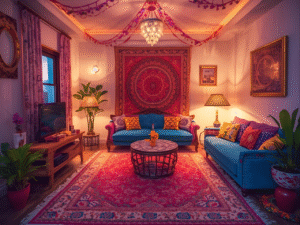
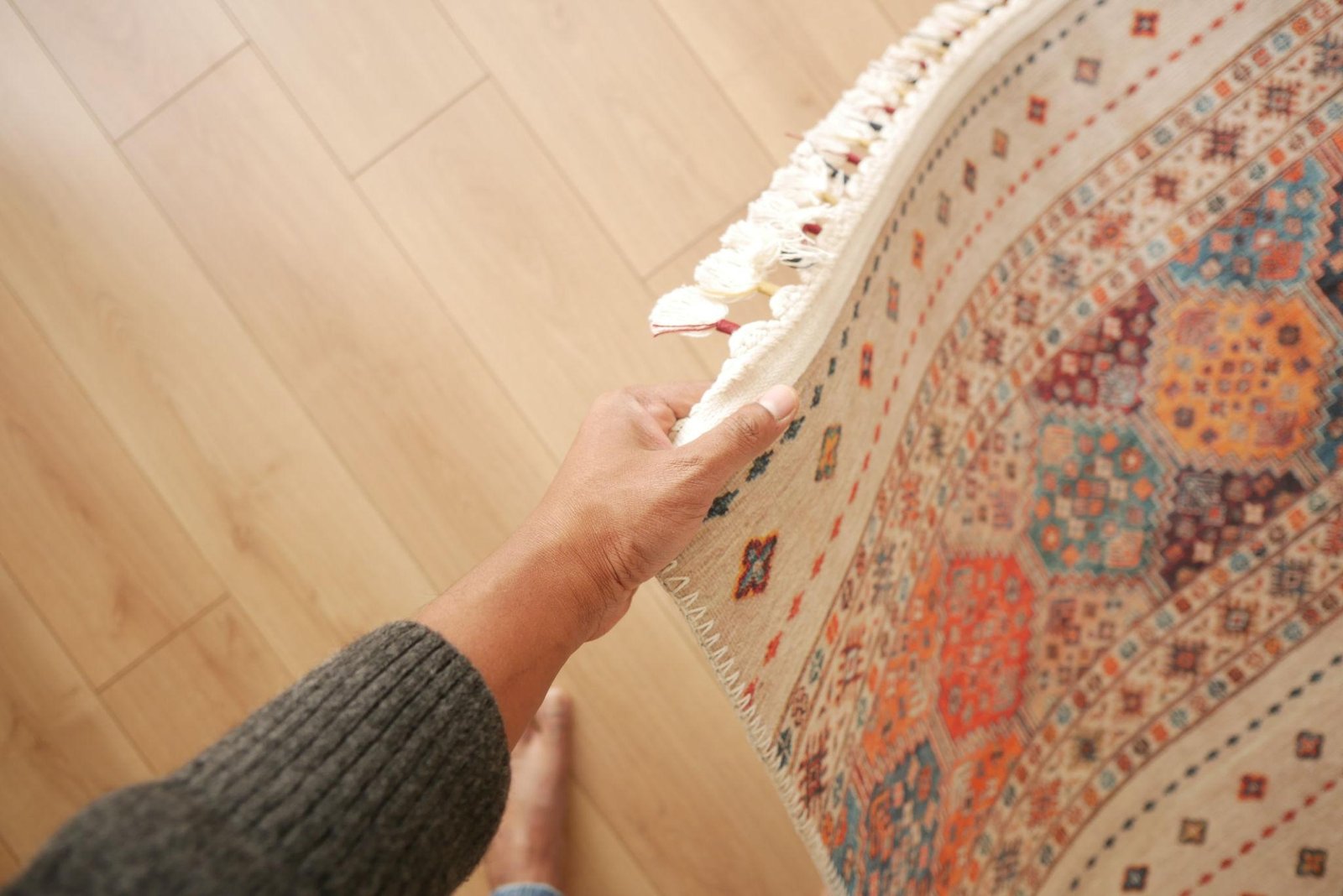
The word “interior” traces its roots to the Latin interus, meaning within or inward. Designing an interior is not merely about arranging furniture — it is about shaping the inward experience of a space. For interior designers crafting these experiences, a rug is never just a floor covering. It is the very foundation of a room’s atmosphere, encapsulating the vibration, diverse characteristics, and mood of a surrounding.
Carpets possess a quiet power. They influence spatial harmony, dictate the flow of a room, and introduce textures that invite the human touch. A well-chosen rug weaves together the overarching narrative of a project, anchoring floating furniture and defining distinct zones. As design sensibilities evolve across India, there is a burgeoning demand for bespoke, intricately crafted floor art. Homeowners and commercial clients alike are looking beyond the mass-produced, seeking pieces that carry the warmth of human hands and the legacy of ancient looms.
Finding the right weaving partner is a journey in itself. This guide provides interior designers with a comprehensive understanding of why handknotted rugs hold such prestige, how to navigate the selection process, and where to source the most exquisite pieces in the country. From the heritage city of Bhadohi to the vibrant studios of Jaipur, you will discover how to source pieces that are utterly unique yet immensely versatile for your next illustrious project.
Why Interior Designers Prefer Handknotted Rugs
True luxury is rooted in time, patience, and purpose. Handknotted rugs are the embodiment of these virtues, making them a favored choice among discerning interior designers. Each piece takes months to weave, resulting in unique, one-of-a-kind creations for exclusive projects. Unlike machine-made alternatives, no two handknotted rugs are exactly alike. They carry the subtle, beautiful imperfections of the artisan’s hand.
The superior craftsmanship and premium finish of a handknotted carpet ensure it lasts for generations. The technique involves tying individual knots to the warp yarns, creating a dense, incredibly durable pile. This meticulous process grants designers immense flexibility in design, texture, and color. Whether you are envisioning a delicate silk motif for a quiet reading room or a robust, plush wool pile for a high-traffic lobby, the handknotted technique can accommodate your exact vision.
Because of their durability and artistic merit, these rugs are ideal for both residential and commercial interiors. They withstand the rigors of heavy use while maintaining their visual integrity, offering a quiet resilience that synthetic alternatives simply cannot match.
Key Factors Interior Designers Consider When Selecting Rugs
Selecting the perfect rug is a delicate balancing act. It requires an understanding of the room’s physical dimensions and its emotional resonance. Color coordination with furniture and walls is often the first step. A rug can either harmonize with a subdued palette or act as a vibrant focal point that awakens a minimalist room.
Texture, pile height, and overall comfort are equally crucial. A high-pile rug offers luxurious softness underfoot, perfect for intimate spaces like bedrooms. Conversely, a low-pile rug provides a sleek, easily maintained surface suited for dining rooms and bustling commercial environments. Material selection plays a defining role here. Wool offers resilience and a matte finish, silk introduces an illustrious sheen, and bamboo silk blends provide a sustainable, luminous alternative that captures light beautifully.
Furthermore, custom sizing and shape requirements are standard in bespoke interior design. Standard rectangles rarely fit the nuanced architecture of modern homes. Designers must work with suppliers who can tailor dimensions to wrap around architectural quirks or ground uniquely shaped furniture arrangements. Finally, there is the matter of budget alignment with the project scope. Understanding the cost implications of knot density and material choices helps designers specify pieces that meet both aesthetic and financial parameters.
The Ambiente – Best Place to Buy Handknotted Rugs in India for Interior Designers
The brand finds its origin in a quaint bustling town called Bhadohi, amidst the holy choruses, the scrumptious kebabs, and the illustrious architecture of Uttar Pradesh. The Ambiente has emerged as a premium rug destination, celebrated for translating heritage craftsmanship into a contemporary design language. Life took a yarnful turn for Avani when she tied the knot with rug-man Priyam Baranwal, the present owner of the 30-year-old manufacturer and exporter Bhadohi Carpets. Together, they have cultivated an atelier that speaks directly to the needs of the modern designer.
The Ambiente maintains a strong collaboration with interior designers and studios. They understand that a designer’s vision requires precision, patience, and a willing partner. Their extensive collections span modern, abstract, traditional, and geometric styles, offering a vast vocabulary for any design narrative.
Beyond their ready-to-ship inventory, The Ambiente excels in custom rug design services tailored to specific client briefs. We at The Ambiente aim to empower, promote, and connect our local artisans by providing them a sustainable livelihood, recognition for their work, as well as an ecosystem to co-create and learn. This deep connection to the loom makes The Ambiente a trusted partner for luxury homes, offices, and hospitality spaces. Big or small — around the world. Discover the widest range of ready-to-ship, eco-friendly rugs and carpets to elevate every space.
Other Top Sources for Handknotted Rugs in India
While The Ambiente stands as a premier destination, India’s rich tapestry of weaving hubs offers several other notable sources for designers. Bhadohi — long revered as the carpet city of India — is the epicenter of large-scale handmade carpet production. It is a town where the rhythmic clanging of the loom is the ambient soundtrack, producing the vast majority of the country’s exported rugs.
Jaipur, the pink city, is another vital node in the carpet trade. Known for its design-forward rug manufacturers, Jaipur blends the royal heritage of Rajasthan with contemporary global aesthetics. The artisans here often experiment with bold colors and transitional designs.
For designers seeking immediate, tactile experiences with their clients, Delhi and Mumbai house high-end rug showrooms that curate selections from these weaving centers. Additionally, various boutique rug studios across the country cater to highly niche designs, offering highly experimental textures and artistic collaborations for avant-garde projects.
Trending Rug Styles Among Interior Designers
Designers are constantly seeking fresh ways to ground their projects. Abstract and contemporary rugs are currently experiencing a tremendous surge in popularity. These pieces act as art for the floor, utilizing asymmetrical patterns and painterly strokes that bring dynamic energy to a room.
Simultaneously, there is a deep appreciation for neutral and minimalist palettes. Designers are utilizing tone-on-tone textures, where the pattern is revealed through the carving of the pile rather than contrasting colors. This approach creates spaces that are utterly serene yet immensely tactile.
Geometric and bold statement pieces remain a favorite for spaces that require a strong visual anchor — mid-century modern inspired rooms or eclectic, maximalist spaces benefit greatly from these structured designs. Alternatively, vintage and distressed finishes offer a sense of history. These gently faded rugs introduce immediate soul and character, bridging the gap between old-world charm and modern architecture.
Custom Rug Design Process for Interior Designers
Creating a custom rug is a journey of translation — moving from an ethereal concept to a tangible, woven reality. It begins with a deep understanding of the client brief and concept. Designers must articulate the emotional and functional requirements of the space.
The next step involves creating mood boards and design direction. Color swatches, fabric remnants, and inspirational imagery are gathered to inform the rug’s palette and motif. This vision is then handed over to the atelier, where artists engage in translating the design into rug patterns. This is often done using digital mapping or traditional hand-painted graphs called talims.
Before the final weaving commences, sampling and approvals are mandatory. A small strike-off — a sample square of the rug — is woven to ensure the colors, materials, and pile height meet the designer’s exact expectations. Once approved, the meticulous weaving process begins, culminating in the final production and installation of a piece that perfectly anchors the intended space.
Budgeting & Pricing for Design Projects
Navigating the financial aspect of bespoke rugs requires transparency and knowledge. The cost per square foot is primarily based on material and knot density. A rug woven entirely of pure silk with 200 knots per square inch will command a significantly higher price than a woolen rug with a looser weave.
Designers must often weigh custom versus ready-made rug pricing. While custom rugs require a higher investment and longer lead times, they provide an exact match to the project’s specifications. Managing budgets across multiple rooms and projects often means mixing these approaches — placing a spectacular custom silk rug in the formal living room, and utilizing beautiful, ready-made woolen pieces in secondary bedrooms.
It is crucial to educate clients on the long-term value and durability benefits of handknotted rugs. They are not mere decorative accessories; they are investment pieces that age gracefully, often appreciating in character and value over the decades.
How Rugs Transform Interior Spaces
A room without a rug often feels untethered. A well-placed carpet fundamentally transforms the architecture of a space. In modern, sprawling homes, a rug elegantly defines zones in open layouts. It creates an invisible boundary that separates a dining area from a living lounge without the need for physical walls.
Beyond spatial organization, a rug adds warmth and texture. It softens the hard edges of marble floors and absorbs the harsh acoustics of high-ceilinged rooms. It introduces a layer of physical comfort that invites people to linger.
Furthermore, a beautifully crafted rug acts as a focal design element. It can dictate the color story of the entire room, pulling together the hues of the drapery, the upholstery, and the artwork. By doing so, it effortlessly enhances overall visual balance, ensuring that every element within the interior feels intentional and rooted.
Maintenance Tips for Long-Lasting Rugs
The longevity of a handknotted rug is intrinsically tied to how it is treated. Regular vacuuming and care are essential to prevent dirt from settling deep into the base of the knots, where it can act as an abrasive and slowly cut the fibers over time. Vacuuming should be done gently, avoiding the fringes to prevent unravelling.
Professional cleaning recommendations should always be followed. A handknotted rug should be sent to a specialist every few years for a deep wash. These experts understand the specific dyes and fibers, ensuring the rug is cleaned without color bleeding or structural damage.
When handling stains and wear, immediate action is vital. Spills should be blotted immediately with a clean, undyed cloth — never rubbed. Preserving color and texture over time also means rotating the rug every few months to ensure even wear and sun exposure, allowing the piece to age with uniform grace.
Why India is a Global Hub for Handknotted Rugs
India’s dominance in the global rug market is not an accident of geography; it is a legacy of heritage craftsmanship and skilled artisans. The knowledge of the loom has been passed down through generations, from father to son, mother to daughter, preserving techniques that date back to the Mughal era.
This deep-rooted tradition results in high-quality exports worldwide. Indian ateliers are celebrated for their ability to weave complex, high-density carpets that rival the finest historical antiques. The sheer scale of the weaving communities allows for an unparalleled diversity of styles, from Persian-inspired motifs to ultra-modern abstracts.
Furthermore, India offers highly competitive pricing for luxury handmade rugs. By working directly with communities in Bhadohi, Mirzapur, and Jaipur, global buyers and local designers alike can source suis generis pieces that respect both the artisan’s livelihood and the project’s budgetary constraints.
Weaving It All Together
Handknotted rugs are the soul of an interior space. They bridge the gap between the architectural shell and the human experience, bringing warmth, texture, and a profound sense of history into the modern home. For interior designers, understanding the craft, the materials, and the origins of these rugs is essential to creating layered, meaningful spaces.
Choosing the right supplier matters immensely. A brand that respects the artisan as much as the designer ensures a final piece that radiates authenticity. For designers seeking the finest intersection of heritage and contemporary design, The Ambiente stands as the best destination for premium, customizable rugs in India. Through their commitment to craft, community, and client collaboration, they offer a foundation upon which truly illustrious interiors are built.
FAQs
Why are handknotted rugs preferred by interior designers?
They offer unmatched quality, durability, and customization. The meticulous nature of the hand-tying process results in a rug that can withstand decades of use while retaining its artistic integrity.
Can rugs be customized for specific interior themes?
Yes, especially with premium suppliers like The Ambiente. Designers can specify exact dimensions, colors, materials, and motifs to perfectly align with their unique spatial and aesthetic requirements.
Which rug materials are best for interiors?
Wool and silk blends are highly favored for durability and luxury. Wool provides a sturdy, resilient base that handles foot traffic beautifully, while silk accents introduce an illustrious sheen and exquisite softness.
Are handknotted rugs suitable for commercial spaces?
Yes, they are highly durable and long-lasting. High-density woolen handknotted rugs are incredibly resilient, making them perfect for boutique hotels, executive offices, and luxury retail environments.
Where can interior designers buy premium rugs in India?
The Ambiente and major carpet hubs like Bhadohi and Jaipur are the premier destinations. These centers house the generational knowledge and weaving infrastructure required to produce the world’s finest floor art.