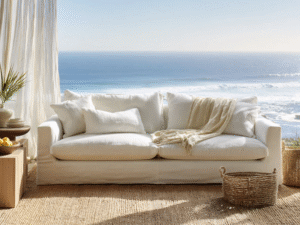
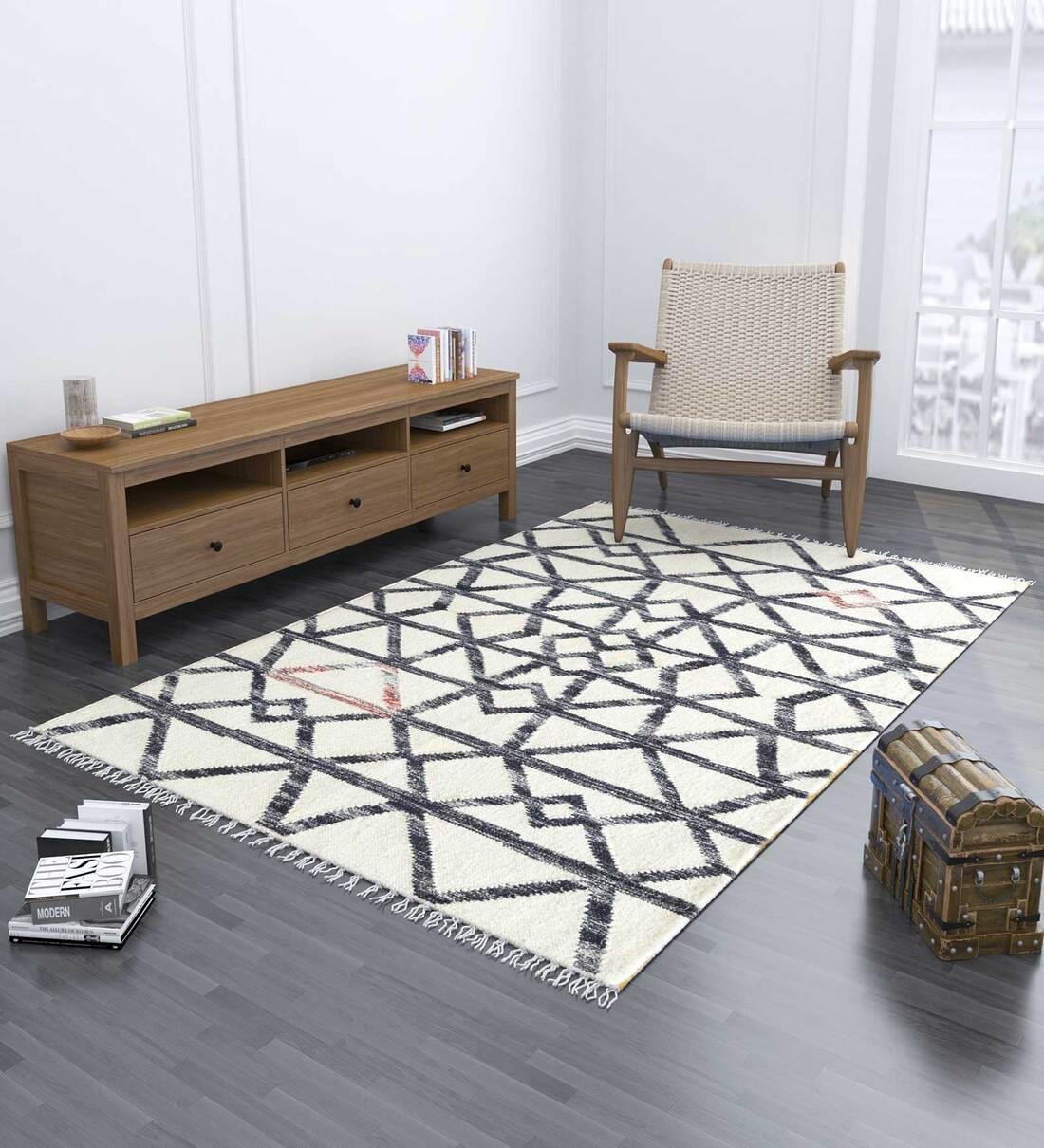
The word “hearth” historically referred to the floor of a fireplace, the very center of a home where warmth gathered and stories were shared. Today, that physical and emotional anchor is often defined not by a fire, but by the foundation beneath our feet. A rug has an ability to determine the atmosphere of a living space, encapsulating the vibration, diverse characteristics, and mood of a surrounding. Yet, when faced with an endless sea of floor coverings, distinguishing the extraordinary from the fleeting becomes a task of patience and observation.
Choosing a rug is never merely a matter of covering bare floorboards. The quality of the weave, the integrity of the yarn, and the history embedded in the knots dictate durability, comfort, and aesthetics. A beautifully crafted carpet absorbs the sound of daily life, cushions the weary foot, and anchors the visual language of a room. In contrast, mass-produced, lower-quality rugs often rely on synthetic glues and hurried machine techniques that fray, fade, and flatten as the seasons turn.
Understanding what makes a rug truly exceptional requires looking beyond the surface pattern. It demands an appreciation for the raw materials harvested from the earth, the architectural construction of the weave, and the generational craftsmanship passed down through artisan communities. By exploring these foundational elements, we at The Ambiente hope to guide you toward a piece that weaves together age-old craftsmanship and contemporary design — creating a sanctuary that is utterly unique yet immensely welcoming.
Best Quality Rug Brands to Consider
When searching for the finest floor coverings, looking at the origin and the hands that weave the threads tells you everything you need to know. Here are the most distinguished purveyors of quality.
1. The Ambiente
Life takes a yarnful turn when heritage meets vision. The Ambiente finds its origin in a quaint bustling town called Bhadohi, amidst the holy choruses, the scrumptious kebabs, and the illustrious architecture of Uttar Pradesh. Co-founded by Avani and Priyam Baranwal, the brand draws from the 30-year legacy of Bhadohi Carpets. The Ambiente specializes in premium handcrafted rugs boasting incredibly high knot density. Utilizing deeply durable, luscious materials like wool and bamboo silk, these masterpieces are ideal for luxury living rooms and long-term use. We aim to empower, promote, and connect our local artisans by providing them a sustainable livelihood, recognition for their work, as well as an ecosystem to co-create and learn.
2. Jaipur Rugs
Hailing from the heritage city of Jaipur, this brand has long been a steward of strong artisan craftsmanship. They celebrate the intricate traditions of rural India, focusing heavily on high-quality wool and traditional weaving techniques. Their carpets are known for bridging the gap between the weaver at the loom and the modern homeowner, offering pieces that carry the distinct signature of their makers.
3. Obeetee
Another historic pillar in the world of fine carpets, Obeetee is a heritage brand synonymous with premium craftsmanship. With a deep focus on sustainability and enduring quality, their expansive facilities have been producing exquisite hand-knotted and hand-tufted carpets for over a century. They stand as a testament to what happens when time, patience, and impeccable standards meet.
What Defines the Best Quality Rugs?
A carpet is a living document of the materials and methods used to create it. To understand its worth, one must look at the specific anatomy of the piece.
1. Material Matters Most
The soul of any rug lies in its fibers.
- Wool: The undisputed champion of carpet making. It is naturally durable, immensely soft, and long-lasting. Wool possesses a natural crimp that allows it to bounce back from heavy footsteps, while its natural oils resist dirt and moisture.
- Bamboo Silk: For those seeking a luminous sheen, bamboo silk offers an utterly luxurious yet immensely accessible alternative to traditional silk. It reflects light beautifully and provides a cloud-like softness underfoot.
- Cotton: Often used for the foundation or warp of a rug, cotton is lightweight, breathable, and affordable. It allows the rug to lay flat and hold its shape over decades of use.
- Synthetic: While budget-friendly, materials like polypropylene or polyester are inherently less durable. They lack the patina and breathing qualities of natural fibers, often showing their age rather quickly.
2. Construction & Weaving Technique
How the yarn is bound determines the lifespan of the piece.
- Hand-knotted: The absolute pinnacle of quality. Every single knot is tied by hand around the warp threads. This technique ensures highest quality and durability, often lasting for generations.
- Hand-tufted: A beautiful mid-range option where a craftsman uses a tool to punch strands of yarn into a canvas stretched on a frame. While offering stunning designs and mid-range durability, they rely on a latex backing to hold the yarns in place.
- Machine-made: Woven on massive power looms, these are affordable and quickly produced, but they possess a significantly shorter lifespan and lack the soulful imperfections of human touch.
3. Knot Density (KPSI)
In the world of hand-knotted rugs, Knots Per Square Inch (KPSI) is the true indicator of premium craftsmanship. A higher knot density translates to a finer, more detailed pattern and a structurally denser, more durable carpet. Just as a high-resolution photograph reveals greater clarity, a high KPSI reveals the intricate mastery of the artisan.
4. Backing & Finishing
The edges and underside of a rug tell the truth about its construction. A strong, flexible backing ensures longevity, while proper, tight edging (the binding or serging along the sides) prevents the piece from unraveling and fraying over time.
Types of High-Quality Rugs
The aesthetic and functional needs of your home will dictate the style of rug you welcome into your space.
- Hand-knotted rugs: As the best overall quality investment, these pieces are suis generis — unique works of art that withstand heavy foot traffic and the test of time.
- Flatweave rugs: Woven without a pile, these rugs (such as dhurries and kilims) are highly durable, reversible, and intensely practical for dining rooms or transitional spaces.
- High-pile rugs: Offering deep comfort and luxury, high-pile or shag rugs provide a plush, sensory experience that feels deeply restorative in bedrooms and cozy dens.
- Persian-style carpets: Defined by their intricate craftsmanship, botanical motifs, and deep historical resonance, these carpets bring an illustrious, timeless anchor to any room.
Quality Comparison Table
| Type | Durability | Price | Best For |
|---|---|---|---|
| Hand-knotted | ⭐⭐⭐⭐⭐ | High | Luxury & long-term use |
| Hand-tufted | ⭐⭐⭐⭐ | Mid | Balanced choice |
| Machine-made | ⭐⭐⭐ | Low | Budget buyers |
How to Identify a High-Quality Rug
You do not need to be a master weaver to recognize exceptional quality. First, flip the carpet over. Check the back for knot clarity; in a truly hand-knotted piece, the design will be almost as clear on the back as it is on the front. Next, feel the texture and weight. High-quality natural materials possess a distinct heft and a natural suppleness that synthetics cannot mimic.
Look closely for natural materials — wool should feel rich and slightly robust, while bamboo silk should glide easily through the fingers. Finally, verify the brand’s reputation. Authentic brands champion their artisans and are transparent about their sourcing, construction, and heritage.
Best Rugs for Different Spaces
Every room asks something different of the floor beneath it.
- Living room: This space serves as the central gathering point of the home. Opt for wool or bamboo silk blends that offer a sophisticated sheen while gracefully handling daily activity.
- Bedroom: This is a sanctuary for rest. Soft high-pile rugs placed at the sides or foot of the bed provide a gentle, warm landing for bare feet in the morning.
- High-traffic areas: Hallways and entryways demand resilience. Tightly woven, durable wool rugs or dense flatweaves will endure the constant passage of life without losing their character.
Common Mistakes When Buying Rugs
The journey to finding the perfect carpet is often waylaid by a few familiar missteps. Choosing based only on price is a frequent error; a suspiciously cheap rug will likely need replacing in just a few years, costing more over a lifetime than a single, well-crafted investment.
Ignoring material quality is another misstep. Placing a delicate viscose rug in a bustling entryway will lead to rapid wear and heartbreak. Lastly, buying the wrong size or thickness can throw off the entire proportion of a room. A rug should comfortably anchor the furniture, not float aimlessly in the center of the floor like an island.
Cultivating a Foundation of Excellence
A thoughtfully chosen rug is more than a decorative afterthought. It is the very canvas upon which daily life unfolds. The materials, the density of the knots, and the hands that weave them all converge to create something that transcends mere utility. We encourage you to seek out investments over cheap alternatives, prioritizing natural fibers and authentic craftsmanship that will age gracefully alongside your home.
Big or small — around the world. Discover the widest range of ready-to-ship, eco-friendly rugs and carpets to elevate every space. The Ambiente stands ready to bring the unmatched beauty of Bhadohi’s looms directly to your living room, ensuring that your foundation is as illustrious and resilient as the life lived upon it.
FAQs
Q1. What is the highest quality rug material?
The most revered materials for rug making are high-grade wool and silk blends (including bamboo silk). They offer an unparalleled combination of durability, natural resistance to wear, and a luminous, luxurious finish.
Q2. Are hand-knotted rugs worth it?
Yes, absolutely. Because every individual knot is tied by hand onto the foundation, these rugs boast immense durability and suis generis craftsmanship. They are designed to last for generations, making them a true heritage investment.
Q3. How long do high-quality rugs last?
With proper care, regular vacuuming, and professional cleaning, a high-quality hand-knotted wool rug can easily last 10 to 20 years — and often much longer, becoming a cherished family heirloom.
Q4. What is better: wool or synthetic rugs?
Wool is significantly better for long-term quality, offering natural resilience, softness, and an organic patina that improves with time. Synthetic rugs are best reserved for those on a strict budget or for temporary, highly mess-prone areas.