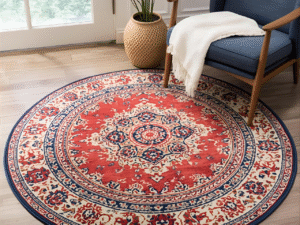
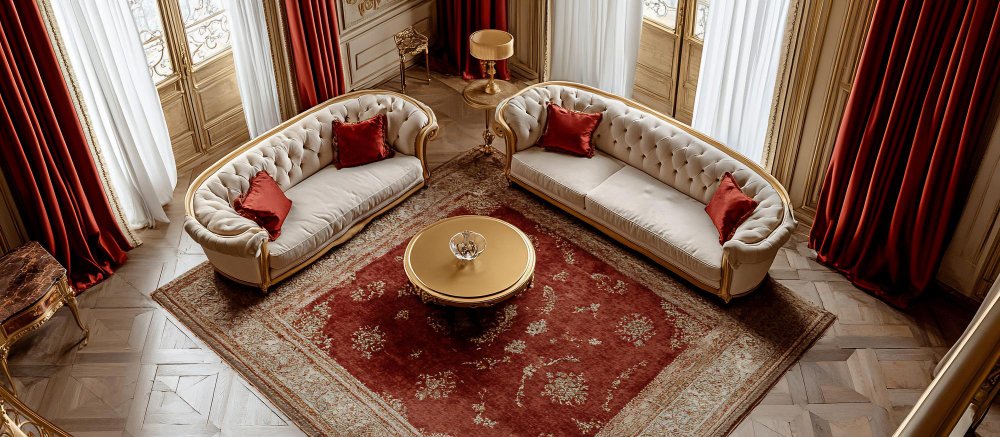
Interior design is shifting. We are moving away from disposable decor and stepping into an era of intentionality. In 2026, the focus isn’t just on how a home looks, but how it feels—and more importantly, how long it lasts. Central to this shift is the resurgence of the luxury rug.
No longer treated as a mere accessory to cover the floor, the luxury rug has reclaimed its status as the foundation of a room. It is artwork you can walk on, a tactile experience, and a financial asset. But unlike a painting that hangs on a wall, a rug must withstand life.
As we look toward 2026, the trends influencing high-end interiors prioritize heritage over hype. We are seeing a return to artisanal roots blended with modern sensibilities. For homeowners and collectors alike, understanding these shifts is key to making a purchase that serves as both a design statement and a long-term investment.
What Defines a Luxury Rug?
Before identifying trends, we must distinguish true luxury from mass-market imitations. A luxury rug is defined by three non-negotiable pillars: materials, craftsmanship, and exclusivity.
Premium materials
The quality of the fiber dictates the lifespan of the rug. Luxury pieces almost exclusively use natural materials. High-altitude wool, such as New Zealand or Ghazni wool, provides resilience and a soft hand. Pure silk adds an unmistakable sheen and intricate detail capability that synthetic fibers simply cannot replicate.
Craftsmanship level
True luxury is human-made. A machine-made rug, no matter how expensive, is a reproduction. A hand-knotted rug is an original. The “luxury” label often relies on the knot count—measured in Knots Per Square Inch (KPSI). Higher density means a tighter weave, more elaborate patterns, and a durability that allows the piece to last for generations.
Design exclusivity
Luxury implies a departure from the ordinary. Whether it is a centuries-old Persian motif or a bespoke contemporary design commissioned for a specific space, these rugs are not churned out in factories. They carry the unique signature of the artisan who spent months, sometimes years, on the loom.
Top Luxury Rug Trends of 2026
The coming years will see a harmonization of ethical production and opulent aesthetics. Here is where the market is moving.
Hand-Knotted Masterpieces
Fine knot density
The appreciation for high KPSI is growing. Buyers are becoming more educated, looking for the tell-tale irregularity of a handmade knot on the back of the rug. In 2026, the demand for ultra-fine weaves—where the pile is cut short to reveal crystal-clear patterns—will dominate the high-end sector.
Heirloom quality
The “throwaway culture” is fading. Consumers are treating rugs as heirlooms. The trend is to buy one exceptional piece that will age gracefully, developing a patina over decades, rather than replacing mediocre rugs every few years.
Silk & Silk-Blend Rugs
Natural sheen
Silk reflects light in a way that animates a room. As lighting design becomes more sophisticated in modern homes, silk rugs are being used to catch and manipulate that light, changing appearance depending on the viewer’s angle.
Elegant textures
We are seeing a rise in wool-silk blends. The wool provides a sturdy, matte foundation, while the silk is used for the motifs, creating a raised, shimmering effect that adds depth and tactile luxury.
Custom & Bespoke Rugs
Personalized designs
Off-the-shelf luxury is giving way to bespoke creation. Homeowners want their floors to tell a story. This involves collaborating with design ateliers to alter scale, motifs, or shapes to fit odd room dimensions or specific design visions.
Size & color customization
Standard 8×10 or 9×12 sizes are often insufficient for grand spaces. The ability to commission an oversized rug, or color-match a specific Pantone shade to a piece of art on the wall, is the ultimate definition of modern luxury.
Modern Artistic Rugs
Abstract patterns
Rug designers are treating the loom like a canvas. We are seeing painterly washes, watercolor effects, and bold, abstract brushstrokes translated into wool. These pieces act as “floor art,” perfect for minimalist spaces that need a focal point.
Statement pieces
These rugs do not fade into the background. They anchor the room with bold asymmetry and avant-garde compositions, challenging the traditional idea of what a rug pattern should look like.
Sustainable Luxury Rugs
Eco-conscious materials
Luxury consumers are increasingly asking: “Who made this, and how?” There is a massive shift toward natural dyes (derived from plants and minerals) and biodegradable fibers like unbleached wool and nettle.
Ethical production
The backstory matters. Brands that support their weaving communities—providing fair wages and safe environments—are becoming the preferred choice. Authenticity now includes the ethical footprint of the product.
Trending Colors in Luxury Rugs (2026)
Neutrals & earth tones
Grounding colors remain supreme. Warm taupes, sandy beiges, and terracottas connect the home to nature. These shades provide a calm, sophisticated backdrop that allows furniture and art to shine.
Jewel shades
For those seeking drama, deep jewel tones are trending. Emerald greens, sapphire blues, and rich garnets are being used in silk rugs to create a sense of regal opulence, particularly in dining rooms and formal living areas.
Monochrome palettes
Texture is replacing color contrast. Tone-on-tone rugs—where the pattern is created by varying pile heights or material differences (wool vs. silk) rather than different colored dyes—offer a subtle, highly sophisticated look known as “quiet luxury.”
Trending Patterns & Motifs
Persian-inspired
The classics never die; they are reimagined. Traditional floral and medallion motifs are being produced in washed-out, “erased” styles, making them feel vintage and approachable for modern interiors.
Contemporary geometrics
Sharp lines and architectural shapes appeal to the modern urbanite. These patterns bring order and rhythm to a space, working exceptionally well in home offices and mid-century modern aesthetics.
Minimalist designs
Less is more. Large fields of open color with sparse, delicate detailing are popular. These designs create a sense of spaciousness and tranquility, essential for the sanctuary-like vibe of 2026 homes.
Best Materials for Luxury Rugs
- Wool: The gold standard. Durable, stain-resistant, and soft. Look for high-altitude wool for the best oil content and luster.
- Silk: The pinnacle of elegance. Best for low-traffic areas where aesthetics trump heavy-duty wear.
- Bamboo silk: A sustainable alternative to traditional silk. It offers a similar sheen and softness at a more accessible price point and is gaining traction for its eco-friendly profile.
- Cashmere blends: For the ultimate indulgence, cashmere is blended into the pile for a touch that is impossibly soft underfoot.
Which Luxury Rugs Hold Long-Term Value?
Not all expensive rugs are investments. To ensure your purchase retains or increases in value, focus on hand-knotted rugs. The labor intensity creates inherent scarcity. Limited-edition collections from renowned design houses also perform well, as do artisan-crafted pieces from regions with a protected heritage of weaving, such as Bhadohi or Jaipur. Machine-made or tufted rugs, regardless of brand, rarely hold value on the secondary market.
Rooms Where Luxury Rugs Make the Biggest Impact
Living room
This is the showcase space. A large, high-quality rug here anchors the furniture and sets the tone for the entire house. It is the most visible investment.
Master bedroom
Here, the priority is texture. Stepping onto a silk or cashmere blend rug first thing in the morning sets a tone of comfort and indulgence.
Dining area
A durable, patterned wool rug works best here. It frames the table and dampens sound, creating an intimate acoustic environment for conversation.
Home office
With remote work continuing, the home office needs to feel professional yet personal. A geometric or modern artistic rug can inspire creativity and reduce echo during calls.
Where to Buy Luxury Rugs Online in India
The Ambiente – Premium luxury handmade rugs
For those seeking authenticity and design pedigree, The Ambiente stands out. Based in the heart of India’s weaving capital, Bhadohi, and with a flagship presence in Delhi, they bridge the gap between traditional artistry and modern aesthetics.
Backed by over 30 years of manufacturing expertise, The Ambiente works with a network of 4,000 women weavers. They offer everything from timeless hand-knotted wool pieces to bespoke silk creations. Their online platform makes accessing these heritage pieces simple, ensuring that high-end design is accessible to the modern Indian home.
Other high-end rug brands
While The Ambiente leads in bridging manufacturer-direct pricing with luxury design, other notable options include Jaipur Rugs for their wide artisan networks and Obeetee for their historical legacy in the industry.
Price Guide for Luxury Rugs in India
Understanding the financial commitment is essential for planning your interior budget.
Entry luxury
Range: ₹20,000 – ₹50,000
Expect high-quality hand-tufted wool or simple flatweaves. These are excellent for guest rooms or layering.
Mid luxury
Range: ₹50,000 – ₹1,50,000
This is the sweet spot for hand-knotted wool rugs and bamboo silk blends. You will find intricate patterns and higher knot counts here.
Ultra-premium
Range: ₹2,00,000 and above
This category belongs to pure silk, fine wool-silk blends with high knot density, and large custom bespoke orders. These are true investment pieces.
Care & Maintenance for Luxury Rugs
- Professional cleaning: Never steam clean a luxury rug yourself. Harsh chemicals and heat can strip natural oils from wool. Hire a specialist every 3-5 years.
- Rotation: Rotate your rug 180 degrees every six months to ensure even wear and prevent sun fading in one spot.
- Proper storage: If storing, roll the rug (never fold) and keep it in a cool, dry place wrapped in breathable fabric, not plastic.
FAQs
Are luxury rugs a good investment?
Yes, specifically hand-knotted rugs made of natural fibers. Like fine art, their value lies in the labor and artistry. They can last for decades and often retain resale value.
Which material is best for luxury rugs?
Wool is the most practical for longevity and ease of care. Silk is the most luxurious for aesthetics. A wool-silk blend offers the best of both worlds.
How can I verify authenticity?
Flip the rug over. A hand-knotted rug will have a mirror image of the pattern on the back, and you will see individual knots. If there is a fabric backing glued on, it is tufted, not knotted.
Do luxury rugs appreciate in value?
Antique and semi-antique rugs can appreciate. Contemporary luxury rugs generally hold their value well compared to other home furnishings, which depreciate immediately.
Final Thoughts
Investing in a luxury rug in 2026 is about choosing substance over style alone. It is about selecting materials that age beautifully, supporting the artisans who keep ancient traditions alive, and curating a home that reflects your personal story.
Whether you are drawn to the sheen of silk or the grounding warmth of hand-knotted wool, choose a piece that resonates with you.
Ready to find the perfect foundation for your home? Explore the bespoke and ready-to-ship collections at The Ambiente, where traditional craftsmanship meets contemporary elegance.