A hotel lobby is never just a room. It is a threshold. When guests step through the doors, they leave the frantic pace of the outside world behind and enter a carefully curated sanctuary. The atmosphere of this space is woven together by light, sound, scent, and touch. Yet, the foundation of this sensory experience begins from the ground up. The feeling of plush, hand-crafted wool underfoot immediately signals luxury, comfort, and a distinct sense of place.
In recent years, the hospitality industry across India has witnessed a profound return to its roots. Modern hotels are moving away from sterile, mass-produced flooring, choosing instead to embrace the rich, storied traditions of Indian craftsmanship. There is a growing demand for traditional carpets that tell a story, honoring the local heritage while welcoming the global traveler.
The right rug does far more than cover a floor. It dampens the echoes of rolling luggage, softens the grandeur of high ceilings, and grounds a vast space with intricate, mesmerizing artistry. Selecting the perfect floor covering is a defining choice for interior designers and architects. Here is a guide to navigating the vibrant landscape of Indian craftsmanship and finding the best traditional rugs for hospitality spaces.
Why Traditional Rugs Are Ideal for Hotels & Hospitality
Hospitality design derives its power from emotion. A traditional rug brings an irreplaceable soul into commercial spaces, balancing age-old craftsmanship and contemporary design.
Adding cultural richness and storytelling
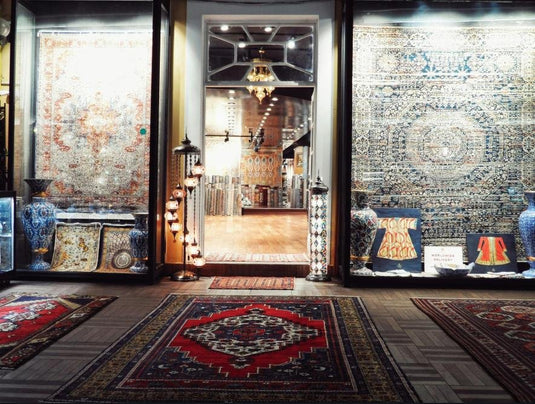
Every traditional carpet is a woven narrative. From the majestic Persian-inspired motifs of Kashmir to the geometric mastery of rural artisans in Bhadohi, traditional rugs carry the legacy of generations. Placing these pieces in a hotel lounge or guest suite allows the property to celebrate local culture. Guests do not just see a beautiful pattern; they feel the history and the human touch woven into every knot.
Enhancing warmth and acoustic comfort
Large hospitality venues often suffer from harsh acoustics. Hardwood floors and marble corridors echo with footsteps and conversation. Heavy, dense traditional carpets absorb this ambient noise, creating a hushed, intimate atmosphere. Furthermore, the physical warmth of wool and silk fibers offers a welcoming contrast to cold stone, making spaces feel inherently more inviting.
Enduring durability for high footfall
The bustling lobbies and corridors of a hotel demand incredible resilience. Traditional rug-making techniques, especially hand-knotting, produce textiles of unparalleled strength. Natural materials like wool contain lanolin, a natural oil that repels stains and moisture. When maintained properly, these carpets withstand the relentless traffic of a busy hotel for decades.
Creating Instagram-worthy interiors
The modern traveler seeks beauty to share. A magnificent traditional carpet anchors a room, providing a breathtaking focal point. Whether it features deep, jewel-toned hues or a soft, faded vintage wash, a stunning rug creates an unforgettable visual backdrop that guests are eager to photograph and remember.
Types of Traditional Rugs Suitable for Hotels
Not all rugs serve the same purpose within a grand hotel. The choice of weave depends entirely on the location, the expected foot traffic, and the desired aesthetic.
1. Hand-Knotted Rugs
This is the pinnacle of carpet artistry. Skilled artisans tie individual knots to the warp threads, slowly building the rug row by row. This labor-intensive process results in heirloom-quality pieces with exceptional detail and unmatched durability. Hand-knotted rugs are the perfect choice for high-profile areas like grand lobbies, presidential suites, and upscale dining rooms.
2. Hand-Tufted Carpets
For hotels seeking the luxurious look of a traditional rug on a more accommodating budget, hand-tufted carpets offer a brilliant solution. A craftsman uses a specialized tool to punch strands of yarn through a canvas backing, creating a dense, plush pile. While they do not have the century-spanning lifespan of hand-knotted pieces, they are immensely versatile, easily customized, and perfect for guest bedrooms and corridors.
3. Flatweave (Dhurries)
Lightweight, reversible, and culturally vibrant, flatweave dhurries are created by tightly interlacing warp and weft threads without a pile. These rugs are highly practical for boutique hotels, resort patios, or casual dining spaces. They are easy to move, simple to clean, and exude a relaxed, earthy charm.
4. Silk & Wool Blend Rugs
Combining the sturdy resilience of wool with the luminous sheen of silk creates a textile of profound elegance. The silk highlights intricate motifs, allowing the rug to catch the light beautifully. These blends are ideal for exclusive VIP lounges, spa reception areas, and luxury suites where tactile indulgence is paramount.
Key Factors Hotels Should Consider Before Buying Rugs
Purchasing carpets for a commercial property is a significant investment. Hotels must look beyond the surface beauty and evaluate the functional requirements of the space.
Durability and maintenance
High-traffic areas require dense, tightly woven carpets crafted from resilient natural fibers. Wool remains the undisputed champion for hospitality settings, offering a natural bounce that resists crushing under heavy furniture and constant footsteps.
Customization options
No two hotels are exactly alike, and their rugs should reflect their distinct architecture. Sourcing from manufacturers who offer bespoke solutions is vital. Buyers must be able to specify exact dimensions, dye colors to match branding, and adjust motifs to suit the overarching interior theme.
Fire safety and compliance
Commercial spaces must adhere to strict safety regulations. Natural wool is inherently flame retardant, making it a much safer choice than synthetic materials like nylon or polyester, which can melt and release toxic fumes.
Ease of cleaning
Accidents happen in hospitality environments. The chosen carpets must be capable of enduring rigorous professional cleaning without losing their structural integrity or bleeding color.
Design alignment with hotel theme
The carpet must converse naturally with the surrounding architecture. A heritage palace hotel in Rajasthan might demand deep, rich reds and classical Mughal patterns, while a coastal resort in Goa might require lighter dhurries with relaxed, faded tones.
Best Place to Buy Traditional Rugs for Hotels in India
India is the global heartland of carpet weaving. Navigating its vast network of manufacturers requires seeking out brands that honor traditional craftsmen and rural artisans while meeting the precise demands of modern hospitality.
1. The Ambiente (Top Recommendation)
The Ambiente derives its name from the word 'ambience', encapsulating the vibration, diverse characteristics, and mood of a surrounding. Defined by the name itself, this design atelier believes that a rug has the profound ability to determine the atmosphere of a living space.
The brand finds its origin in a quaint bustling town called Bhadohi, amidst the holy choruses, the scrumptious kebabs, and the illustrious architecture of Uttar Pradesh. Exploring with colors and innovating in textures, The Ambiente weaves together age-old craftsmanship and contemporary design to create rugs that are utterly unique yet immensely versatile.
They specialize in premium handcrafted traditional rugs and offer entirely custom solutions for complex hotel projects. By sourcing directly from skilled local artisans, The Ambiente provides sustainable livelihoods, recognition, and an ecosystem for co-creation. They are highly trusted by top architects and interior designers, making them the premier choice for luxury hotels, upscale resorts, and private villas.
2. Jaipur Rugs
A titan in the Indian carpet industry, Jaipur Rugs is widely known for its massive global exports and its deep commitment to a strong artisan network. They have successfully bridged the gap between rural weavers in Rajasthan and the international market, offering an expansive catalog of both traditional and transitional designs suitable for large-scale properties.
3. Obeetee Carpets
As one of the oldest and most respected names in Indian rug making, Obeetee holds a legacy of heritage designs. Operating on a massive scale, they possess the infrastructure and project capabilities necessary to outfit sprawling international hotel chains. Their archives hold classical patterns that bring an air of established majesty to any hospitality setting.
4. The Rug Republic
For modern boutique hotels looking for a slightly different flavor, The Rug Republic offers an excellent mix of contemporary and traditional styles. Their focus on innovative textures and sustainable practices makes them a strong contender for hospitality spaces aiming for a chic, eclectic aesthetic.
Why Hotels Prefer Custom-Made Rugs
In the luxury hospitality sector, standard sizing and off-the-shelf patterns rarely suffice. Custom-made rugs are tailored precisely to the space and layout of the room. A custom carpet can effortlessly navigate the curvature of a grand staircase, fit perfectly beneath an oversized lobby chandelier, or seamlessly connect distinct seating areas in an open-plan lounge.
Customization also establishes a unique brand identity. Hotels can weave subtle elements of their logo, brand colors, or local flora into the border of the carpet. This level of intentionality results in seamless integration with the interiors, proving to guests that every detail of their experience has been thoughtfully considered.
Cost of Traditional Rugs for Hospitality Projects in India
Understanding the financial landscape of artisanal carpets is crucial for project budgeting. The price range fluctuates significantly based on the technique, material, and origin.
Price range based on type:
- Hand-knotted: ₹500 – ₹5000+ per square foot
- Hand-tufted: ₹150 – ₹800 per square foot
- Flatweave: ₹100 – ₹500 per square foot
Factors affecting pricing:
The primary driver of cost is the material used. Fine botanical silk or authentic spun silk will drastically increase the price compared to pure New Zealand wool. Knot density is another critical factor; rugs with a higher knots-per-square-inch (KPSI) take exponentially longer to weave, resulting in a higher cost but yielding an incredibly detailed, durable finish. Finally, the complexity of customization and the scale of the project will naturally influence the final investment.
Latest Trends in Hotel Carpet Design (2026)
Looking forward, hospitality design is shifting towards spaces that feel both grounded and sophisticated. The upcoming trends in hotel carpets reflect this desire for mindful luxury.
Heritage motifs with modern palettes
Designers are taking ancient, intricate patterns and stripping away the heavy, traditional colors. By re-weaving these historical motifs in soft greys, sage greens, and muted blues, they create carpets that feel both timeless and refreshingly modern.
Earthy and neutral tones
To foster a sense of calm and wellness, hotels are favoring earthy tones. Terracotta, sand, deep olive, and warm charcoal are replacing harsh, high-contrast colors, encouraging guests to exhale and relax the moment they arrive.
Large statement rugs in lobbies
Rather than covering the entire floor with wall-to-wall carpeting, properties are using massive, standalone statement rugs. These textile masterpieces sit atop exposed concrete or polished marble, acting as distinct islands of warmth and art.
Sustainable and eco-friendly materials
With eco-consciousness at the forefront of modern travel, there is a massive shift toward sustainability. Hotels are actively seeking out un-dyed natural wools, organic cotton backing, and cruelty-free silks.
How to Maintain Rugs in Hotels
The lifespan of a beautiful rug relies entirely on the care it receives. Maintaining these textiles in a high-traffic environment requires a proactive approach.
Regular vacuuming is the first line of defense. Dirt and abrasive dust particles can settle deep into the pile, cutting the wool fibers over time. Daily vacuuming prevents this buildup. Professional cleaning schedules must be strictly adhered to, ensuring the carpets are gently washed by experts every few months to restore their natural luster.
Rotation is equally important. To ensure even wear and prevent uneven sun fading, carpets should be rotated periodically. Finally, immediate stain treatment is essential. Hospitality staff must be trained to blot—never rub—spills immediately, using approved, gentle cleaning solutions to protect the natural dyes.
Threading It All Together: Choosing Your Rug Partner
Procuring the right traditional rugs for a hospitality project is a journey that moves from the bustling looms of rural India to the quiet, luxurious corridors of a modern hotel. The carpets you choose will quietly shape the guest experience, offering comfort, dampening sound, and conveying a powerful sense of place.
It is vital to look beyond the initial cost and recognize the long-term value of exceptional craftsmanship. A well-made rug will grace a property for decades, aging beautifully alongside the hotel itself.
For hoteliers and architects seeking a partner who understands the delicate balance of heritage, artistry, and commercial durability, the choice is clear. Elevate your space with textiles that tell a story. Choose The Ambiente for premium, custom-crafted hospitality rug solutions, and let their artisans weave your property's next chapter.
Frequently Asked Questions
Q1. Which type of rug is best for hotel lobbies?
Hand-knotted or hand-tufted rugs are highly recommended for hotel lobbies. They offer the necessary durability to withstand heavy luggage and constant foot traffic while providing the luxurious visual appeal expected in a grand entrance.
Q2. Are traditional rugs suitable for high-traffic areas?
Yes, absolutely. Traditional hand-knotted carpets, particularly those crafted from high-quality wool, are incredibly resilient. The natural oils in the wool repel dirt, and the dense knotting structure prevents the fibers from crushing over time.
Q3. Can hotels get custom-designed carpets in India?
Yes. India is home to bespoke design ateliers like The Ambiente, which specialize in entirely customized solutions. They work closely with interior designers to match exact color palettes, adjust dimensions, and tailor motifs to the hotel's specific brand identity.
Q4. How long do hotel carpets last?
Depending on the quality of the weave and the maintenance routine, a commercial carpet typically lasts between 5 and 15 years. Premium hand-knotted wool rugs, however, can easily exceed this lifespan with proper care.