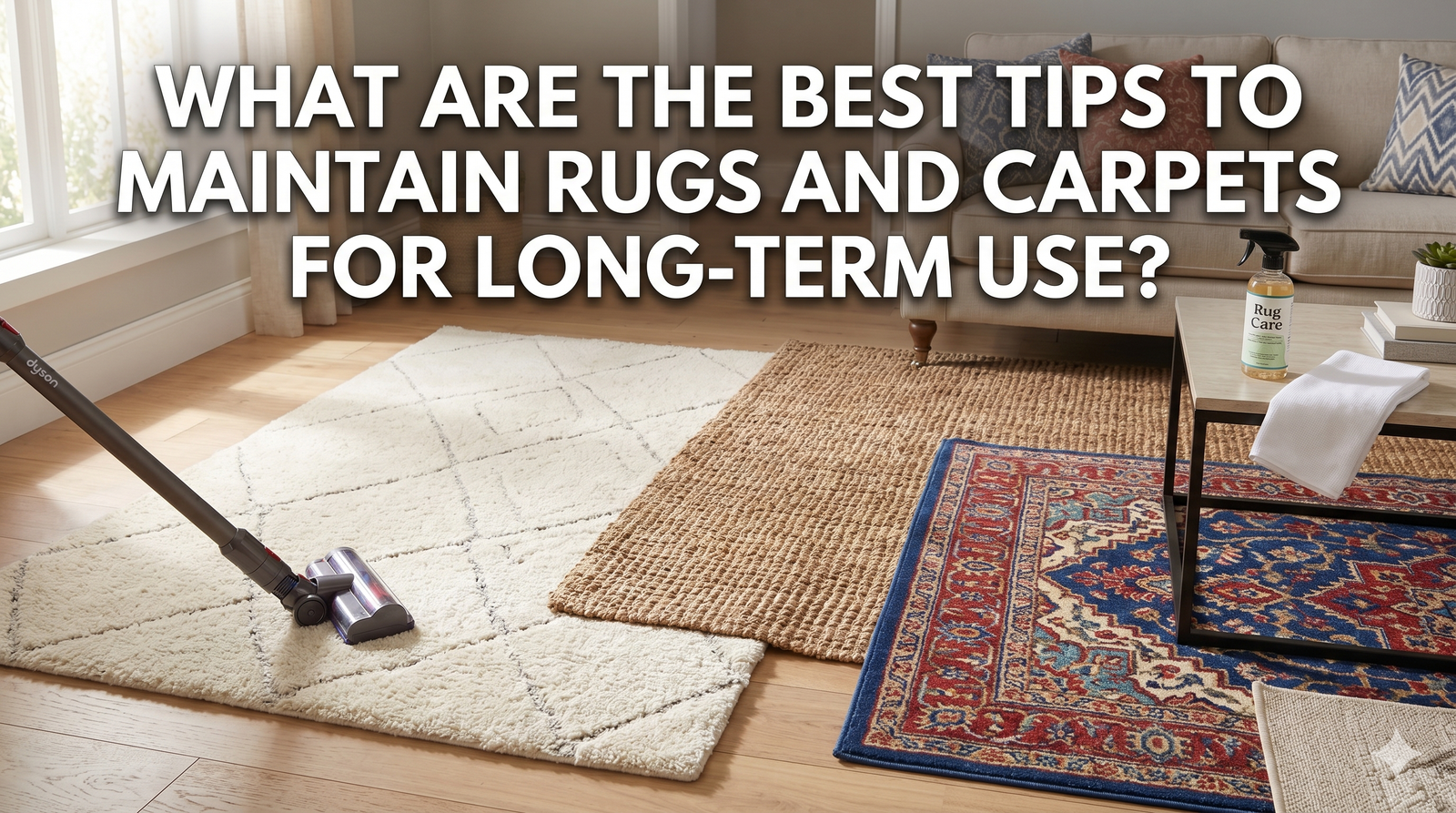
The best tips to maintain rugs and carpets for long-term use include vacuuming weekly to prevent dust build-up, rotating the rugs every three to six months to balance wear, using protective rug pads, and cleaning spills immediately by blotting. Additionally, scheduling professional cleaning every 12 to 18 months preserves the fibers and colors.
A rug is never just a floor covering. It is the woven heartbeat of a room, a foundational element that captures the vibration, diverse characteristics, and mood of your surrounding space. From the quaint, bustling town of Bhadohi—amidst the holy choruses, the scrumptious kebabs, and the illustrious architecture of Uttar Pradesh—to your modern living room, a beautifully crafted rug carries the history of its makers. But bringing such a magnificent piece into your home is only the beginning of its journey.
Proper rug and carpet maintenance is an act of preservation. When you care for these textiles, you actively increase their lifespan, retaining the utterly unique yet immensely versatile appearance they held on the day they were first unfurled. Homeowners, boutique hotel curators, and visionary interior designers consistently invest in rigorous rug care because they understand that a well-maintained carpet dictates the atmosphere of the entire living space.
Premium handcrafted rugs from The Ambiente deserve this long-term care. Our artisans pour generations of age-old craftsmanship into every knot, weaving together rich heritage and contemporary design. By adopting a dedicated maintenance routine, you ensure that these masterpieces continue to empower the artisans who made them while bringing warmth, character, and comfort to your home for decades to come.
Why Rug and Carpet Maintenance Matters
Maintaining your floor coverings prevents the early wear and tear that dulls their original splendor. Foot traffic, environmental dust, and everyday living subject textiles to a slow, grinding friction. A consistent care routine arrests this decline, ensuring that the yarnful turn of every thread remains intact and vibrant.
Routine care preserves the rich texture, deep color, and inviting softness of the fibers. Furthermore, a clean rug dramatically improves indoor hygiene by trapping and subsequently removing allergens and airborne particles from your living environment. Ultimately, meticulous care protects your financial and emotional investment in luxury rugs, allowing these heirlooms to age gracefully rather than deteriorate.
For those looking to expand their collection with pieces worthy of such devotion, explore our handmade rugs category or discover the intricate beauty of our luxury carpet collections.
Vacuum Regularly to Prevent Dust Build-Up
Dust is the quiet enemy of the handwoven textile. Over time, microscopic grit settles deep into the foundation of the carpet, acting like tiny, abrasive blades that slice through delicate natural fibers every time someone walks across the room.
How Often Should Rugs Be Vacuumed?
According to the Carpet and Rug Institute (2023), high-traffic commercial spaces or busy family living rooms require vacuuming at least twice a week. Hallways, entryways, and family rooms bear the brunt of daily movement. Conversely, low-traffic areas—such as formal dining rooms or guest bedrooms—only require a weekly maintenance schedule to keep dust at bay.
Best Vacuuming Practices
When dealing with premium textiles, approach the vacuuming process with gentle reverence. Use low suction for delicate rugs to avoid pulling or distorting the intricately tied knots. Avoid aggressive brush rollers on handmade carpets; the harsh beating action of a motorized brush can fray natural wool and silk, unraveling days of careful artisan labor. Choose the suction-only attachment if preserving the structural integrity of a hand-knotted piece matters more than a rapid clean.
Rotate Rugs Every Few Months
A rug left stagnant in a single position will tell the story of your room’s foot traffic a little too loudly. Rotating your floor coverings prevents uneven fading and concentrated foot traffic damage.
When you rotate a rug, you distribute the physical weight of daily life across the entire canvas, maintaining balanced wear patterns. The ideal rotation schedule for large carpets is once every three to six months. If your room features a heavily used walkway on one side and a stationary sofa on the other, regular rotation ensures that the carpet ages uniformly, preserving its harmonious visual appeal.
Protect Rugs from Direct Sunlight
The sun gives life, but its relentless glare can slowly drain the vitality from your most cherished textiles. Just as UV rays damage human skin, they profoundly alter the chemical structure of natural dyes.
Effects of UV Rays on Carpets
Prolonged exposure to direct sunlight results in severe color fading, transforming deep, oceanic blues and vibrant, earthy reds into washed-out shadows of their former selves. Beyond the loss of color, UV radiation causes fiber weakening. The sun bakes natural moisture out of wool and cotton, leaving the materials brittle, stiff, and prone to snapping underfoot.
Simple Protection Methods
Guarding your investment requires a few thoughtful environmental adjustments. Drawing curtains and blinds during the peak sunlight hours of the afternoon offers immediate protection. Applying UV window films provides a more permanent, invisible shield that blocks harmful rays while still letting natural light warm the room. Rotating rugs seasonally also ensures that if fading does occur, it happens evenly across the entire surface of the textile.
Clean Spills Immediately
Life is beautifully messy, but those messes should not become permanent fixtures on your floor. When wine tips or coffee splashes, time is your most critical asset.
Quick Steps for Stain Removal
Always blot instead of rubbing. Vigorously scrubbing a spill pushes the liquid deeper into the foundation of the rug and permanently distorts the pile. Use mild cleaning solutions—such as a simple mixture of white vinegar and water—rather than harsh synthetic spot cleaners. Finally, ensure the area is dried properly after cleaning by elevating the damp section and using a fan, preventing mold from blooming in the moisture.
Common Mistakes to Avoid
The panic of a spill often leads to disastrous remedies. Avoid harsh chemicals and abrasive bleaches, which strip natural oils and dyes from the yarn. Avoid excess water usage; flooding a rug causes the structural foundation to rot or the colors to bleed into one another. Above all, resist the urge to scrub delicate fibers, as this causes irreversible fraying and textural damage.
Use Rug Pads for Extra Protection
A rug pad is the unsung hero of floor maintenance, providing a crucial barrier between the hard floor and the soft textile. The benefits of rug underlays extend far beyond simple cushioning.
High-quality pads prevent slipping and friction, anchoring the carpet firmly in place and protecting both the weavers’ work and your family’s safety. By absorbing the crushing impact of footsteps, a dense pad reduces the stress on the rug’s foundation, serving to dramatically extend the carpet’s lifespan and preserve its structural integrity.
Schedule Professional Rug Cleaning
While weekly vacuuming removes surface dirt, only a master cleaner can truly rejuvenate a textile. Professional washing mimics the ancient, purifying rituals of river washing, bringing the rug back to life.
When Should Professional Cleaning Be Done?
For standard residential homes, experts recommend professional cleaning every 12 to 18 months. However, high-traffic commercial spaces, boutique hotels, or homes with multiple pets may require deep cleaning every six to eight months to maintain optimal hygiene and appearance.
Benefits of Expert Cleaning
A specialized rug bath offers deep dust removal, extracting pounds of compacted dirt that household vacuums simply cannot reach. The process provides total odor elimination by washing away trapped pet dander and organic spills. Ultimately, this leads to complete fiber restoration, reviving the natural sheen and soft, luxurious vibration of the carpet.
Keep Pets and Furniture from Damaging Rugs
Pets and heavy mahogany tables share one common trait: they both pose a silent threat to the longevity of your floor coverings.
Pet-Friendly Rug Care Tips
Managing fur and stains requires vigilance. Keep a designated pet towel nearby for muddy paws, and vacuum pet zones twice a week to manage shedding. Nail protection is equally crucial; keeping your dog’s or cat’s claws neatly trimmed prevents them from snagging and pulling the delicate loops of a handwoven piece.
Furniture Protection Ideas
The immense weight of a sofa or dining table can crush rug fibers beyond repair. Use furniture pads or caster cups under heavy legs to distribute the weight across a wider area of the carpet. Furthermore, rearrange heavy furniture periodically—even shifting a table by just two inches allows the crushed fibers beneath to breathe, recover, and bloom once again.
Proper Storage Tips for Rugs and Carpets
There may come a season when a rug must be put away. Storing these living textiles requires careful preparation to ensure they emerge from hibernation completely unscathed.
How to Store Rugs Correctly
Always roll instead of fold. Folding creates hard, permanent creases that crack the rug’s foundation and damage the pile. Wrap the rolled carpet in breathable covers, such as clean cotton sheets or specialized Tyvek paper, to protect against dust while allowing air circulation. Store the rolled rug in dry areas, elevated off the floor to protect against accidental flooding or pest infiltration.
Mistakes to Avoid During Storage
Never use plastic wrapping for long-term storage. Plastic traps condensation and changes in humidity, creating a dark, damp greenhouse that encourages mildew and dry rot. Avoid damp environments like unfinished basements or hot, unventilated attics, which degrade the natural materials at an accelerated pace.
Seasonal Rug Maintenance Checklist
Different seasons impose different environmental stresses on your textiles. Adapting your care routine ensures year-round protection.
- Summer care tips: Focus on sun protection. Draw the blinds during peak afternoon hours and monitor the room for excessive, dry heat that can brittle wool.
- Monsoon humidity protection: In damp seasons, run a dehumidifier in the room to prevent mold growth. Ensure the rug is entirely dry if it gets tracked with wet shoes.
- Winter deep-cleaning routines: Winter is the ideal time to combat the heavy influx of dirt, salt, and snow tracked indoors. Increase your vacuuming frequency and consider this the perfect season to schedule your annual professional wash.
Best Rug Materials for Easy Maintenance
Understanding the raw materials of your rug helps you navigate the necessary maintenance. Choose synthetic materials if budget and stain resistance matter more than heritage, but choose natural fibers if longevity and luxurious texture are your ultimate goals.
Wool Rugs
Wool is a miraculous natural fiber. It contains lanolin, a natural oil that makes the rug inherently stain-resistant and incredibly durable. It hides dirt well and responds beautifully to regular vacuuming.
Cotton Rugs
Cotton offers a casual, breathable texture. While it lacks the extreme resilience of wool, smaller cotton rugs are often machine-washable, making them an excellent, low-maintenance choice for kitchens and casual spaces.
Synthetic Carpets
Materials like nylon and polypropylene are designed for heavy use and immense stain resistance. They require very little specialized care, though they lack the rich, evocative warmth and lifespan of natural materials.
Handwoven Rugs
A handwoven rug is a complex matrix of organic materials. They compare favorably in durability, often outlasting synthetics by decades, but their maintenance levels are higher, requiring gentle vacuuming and strict avoidance of harsh chemicals.
How Luxury Rugs Require Special Care
When you welcome a luxury carpet into your home, you become a steward of its legacy. Handmade and artisan rug maintenance goes beyond mere cleaning; it is the act of protecting premium fibers and craftsmanship. These pieces often feature hand-spun silk, vegetable dyes, and complex knotting structures that react poorly to modern, abrasive cleaning methods. The importance of expert handling cannot be overstated—always consult with a specialist who understands the unique chemistry and origin of your specific piece.
Why Choose Quality Rugs for Long-Term Durability
Investing in a premium rug is a commitment to enduring beauty. Durable craftsmanship—honed in the bustling workshops of Uttar Pradesh—ensures that the rug can withstand the physical pressures of daily life. Better material quality, such as pure New Zealand wool or raw silk, guarantees that the fibers will not crush or fray prematurely. This translates directly to easier maintenance over time, as high-quality natural fibers naturally repel dirt and resist staining.
Explore premium handcrafted collections at The Ambiente for rugs designed for durability and timeless interiors. We at The Ambiente aim to empower, promote, and connect our local artisans by providing them a sustainable livelihood, recognition for their work, as well as an ecosystem to co-create and learn. Big or small—around the world. Discover the widest range of ready-to-ship, eco-friendly rugs and carpets to elevate every space.
Final Thoughts
Maintaining your rugs requires a steady, mindful approach. By recapping essential maintenance practices—vacuuming gently, rotating frequently, padding properly, and blotting spills instantly—you safeguard the soul of your living space. We strongly encourage preventive care instead of expensive repairs. A few minutes of weekly attention honors the artisans’ labor and emphasizes the long-term beauty and comfort of well-maintained rugs.
FAQ Section
How often should rugs be professionally cleaned?
According to industry experts, you should have your rugs professionally cleaned every 12 to 18 months. However, rugs in highly trafficked areas or homes with pets may benefit from professional cleaning every 6 to 8 months.
Can vacuuming damage handmade rugs?
Yes, incorrect vacuuming can cause severe damage. Using a vacuum with a harsh, motorized beater bar can pull the knots and fray the natural fibers of a handmade rug. Always use a suction-only setting or a gentle hardwood floor attachment.
What is the best way to remove stains from carpets?
The best way to remove stains is to immediately blot the spill with a clean, dry white cloth to absorb the liquid. Never rub the stain. For persistent spots, apply a mixture of water and a small amount of white vinegar, blotting gently until lifted.
How can I protect rugs from fading?
You can protect rugs from fading by keeping them out of direct, prolonged sunlight. Use UV-blocking window films, draw curtains during the brightest parts of the day, and rotate your rugs every few months to ensure any unavoidable fading happens evenly.
Are rug pads necessary for carpet protection?
Yes, rug pads are absolutely necessary. They provide a protective cushion that reduces friction between the hard floor and the rug foundation, prevents dangerous slipping, and significantly extends the lifespan of the carpet fibers.
Which rug materials last the longest?
Wool is widely considered the longest-lasting rug material. Thanks to its natural lanolin coating and dense cellular structure, wool is naturally resilient, stain-resistant, and capable of maintaining its luxurious texture for decades when properly maintained.
Related Blog Post:
What Are Effective At-Home Hacks to Keep Handwoven Rugs Clean and Well-Maintained
Best Vacuum Cleaner for Office Rugs – Professional Cleaning Guide
Best Vacuum Cleaner for Soft Rugs – Complete Buyer’s Guide
Best Vacuum Cleaner for Winter Rugs – Complete Buyer’s Guide
Beating the Dust: How Traditional Carpet Cleaning Reflects Sustainable Living
Are Your Rugs Easy to Clean If There’s Moisture from Winter Air?
I want something for my kids’ room that’s soft and warm but easy to clean.