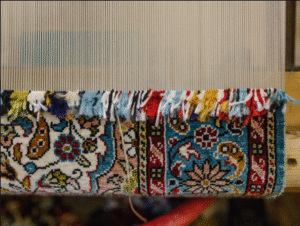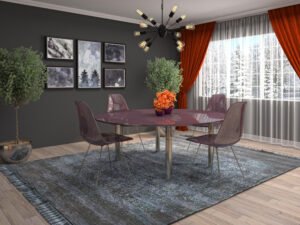
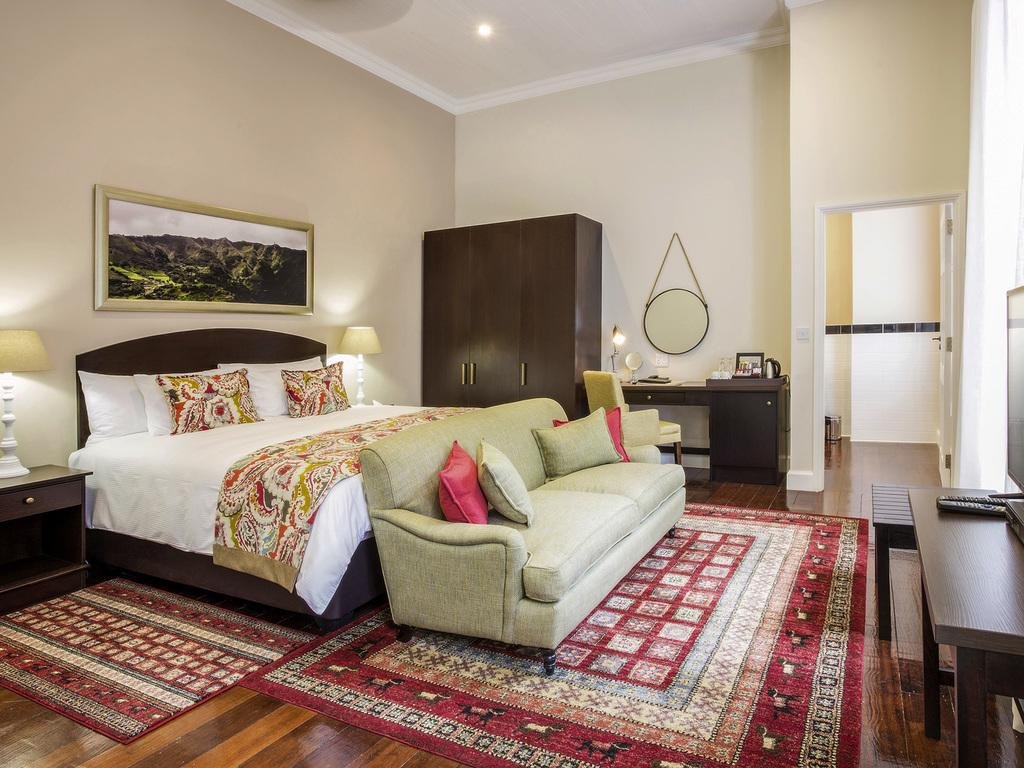
A living space is never just a structure of concrete and glass; it is a breathing canvas. The word ‘ambience’ encapsulates the vibration, diverse characteristics, and mood of a surrounding — and few elements dictate this atmosphere quite like a carefully chosen rug. For architecture firms and interior design studios, a rug is not merely an afterthought. It is a vital storytelling tool, weaving together the hard lines of structural design with the soft, tactile warmth of human habitation.
In the illustrious architecture of modern India, where contemporary penthouses meet heritage villas, the demand for flexible, customizable flooring solutions has grown immensely. Architects increasingly seek bespoke rugs that can mirror their spatial vision. This guide explores how to source the best hand tufted rugs for architectural projects, helping you find a supplier that honors both age-old craftsmanship and contemporary design.
Why Hand Tufted Rugs Are Ideal for Architecture Projects
When orchestrating a large-scale project, architects need materials that balance creative freedom with pragmatic timelines. Hand tufted rugs offer exactly this — a yarnful canvas of possibilities.
- High level of design flexibility and customization: Unlike tightly bound traditional weaves that can take months, hand tufted rugs allow for rapid exploration of colors, patterns, and pile heights.
- Faster production timelines: Project deadlines wait for no one. Hand tufted rugs offer a quicker turnaround compared to hand-knotted alternatives, ensuring your interiors are completed on schedule.
- Statement pieces or subtle integrations: Whether you need a dramatic burst of color for a hotel lobby or a muted, textural base for a minimalist office, tufted rugs adapt seamlessly.
- Wide material and texture options: From the illustrious sheen of botanical silk to the grounded warmth of New Zealand wool, the material combinations are vast.
- Cost-effective for large-scale architectural projects: They deliver a premium, luxurious feel without the prohibitive costs of fully knotted carpets, making them perfect for bulk sourcing.
Where Architects Use Hand Tufted Rugs
Rugs define boundaries where walls do not exist. In modern open-plan layouts, they anchor furniture and create intimate zones. Architects frequently deploy hand tufted rugs in:
- Residential architecture: Luxury apartments, sprawling villas, and penthouses.
- Commercial spaces: Executive offices, creative studios, and co-working environments.
- Hospitality projects: Boutique hotels, serene resorts, and bustling lounges.
- Experience centers: Model spaces and real estate showcases that need to feel instantly inviting.
- Luxury retail environments: Boutiques where the tactile experience of the floor mirrors the premium quality of the garments on display.
Key Factors Architects Should Consider Before Buying
Selecting a rug for a built environment requires a meticulous eye. Here are the core factors to weave into your planning stage:
1. Design Freedom and Customization
Can the supplier translate your architectural blueprints into a woven reality? Look for partners who embrace custom shapes, nuanced textures, and intricate patterns.
2. Material Selection
The right yarn changes everything. Wool is immensely durable and naturally flame retardant, making it ideal for high-traffic zones. Viscose or Tencel adds a luxurious sheen, while clever blends offer both robust performance and striking aesthetics.
3. Scale and Proportion
A rug must be aligned with spatial layouts and furniture planning. A piece too small will make a grand room feel disjointed; one too large will swallow the intricate floorwork beneath it.
4. Project Timelines
Ensure your supplier has the infrastructure to offer fast turnarounds for ongoing projects, keeping your handover dates secure.
5. Supplier Collaboration
Seek out a manufacturer with a willingness to co-create. The best outcomes happen when architects and artisans speak the same language.
The Best Place to Buy Hand Tufted Rugs for Architecture Firms in India
Finding a source that balances high volume with high craft can be challenging. However, one name stands out for architecture firms across the country.
The Ambiente (Top Recommendation)
The Ambiente finds its origin in a quaint bustling town called Bhadohi, amidst the holy choruses, the scrumptious kebabs, and the illustrious architecture of Uttar Pradesh. Life took a yarnful turn for founder Avani when she tied the knot with rug-man Priyam Baranwal, the present owner of the 30-year-old manufacturer and exporter Bhadohi Carpets.
We at The Ambiente aim to empower, promote, and connect our local artisans while providing an ecosystem for architects to co-create. Here is why The Ambiente is the premier choice for design studios:
- Bespoke, design-led solutions: We specialize in advanced customization across pattern, texture, size, and color.
- Collaborative spirit: We work hand-in-hand with architects to ensure the rug reflects the precise mood of the space.
- High-quality craftsmanship: Suited for premium residential, hospitality, and commercial spaces.
- Sustainable livelihood: Every piece supports the artisan community of Bhadohi, weaving purpose into your project.
Other Rug Sourcing Options in India
While The Ambiente offers a uniquely collaborative experience, architects can also explore Jaipur-based artisan and export houses, Panipat carpet manufacturers, or various online B2B sourcing platforms. However, architects should prioritize design collaboration capabilities and heritage over just pricing to ensure the final piece feels utterly authentic yet immensely versatile.
Trending Rug Styles in Architectural Projects
To keep your spaces looking fresh and evocative, consider these current trends:
- Abstract, art-inspired rugs: Floor coverings that double as modern art.
- Geometric and architectural patterns: Lines that mimic the structural elements of the building.
- Monochrome and neutral palettes: Grounding elements that let the architecture shine.
- Layered textures and tonal variations: Mixing loop and cut pile for a deeply tactile experience.
How Rugs Enhance Architectural Design
A well-placed rug transforms the acoustic and visual landscape of a room. In sprawling, minimal spaces, rugs define zones in open layouts and add much-needed warmth and texture. They act as focal design elements, drawing the eye and grounding the furniture. Practically, they improve acoustics in large, echoing spaces, and visually balance hard, cold materials like exposed wood, raw stone, and polished metal.
Benefits of Bulk and Project-Based Procurement
When designing a multi-story office or a sprawling resort, consistency is paramount. Bulk procurement ensures design continuity across multiple spaces while securing better pricing for large orders. It allows for seamless execution across different project phases and guarantees reliable delivery timelines, ensuring that no room is left bare on opening day.
Expert Tips for Architecture Firms
- Integrate rug planning early: Treat rugs as integral design statements, not as afterthoughts sourced at the end of a project.
- Experiment boldly: Use custom shapes — like sweeping curves or asymmetrical borders — and try layering different textures.
- Feel the yarn: Always request material samples and strike-offs before finalization to see how the colors react to the room’s lighting.
- Collaborate closely: Keep an open dialogue with your suppliers to unlock the full potential of their artisans.
FAQs
Q1. Why do architects prefer hand tufted rugs?
Because they offer immense design flexibility, faster production times, and exceptional cost efficiency compared to hand-knotted rugs, making them perfect for project-based work.
Q2. Can rugs be customized to match architectural concepts?
Yes, absolutely. Especially with collaborative suppliers like The Ambiente, who specialize in turning bespoke architectural concepts into tangible, woven designs.
Q3. Are hand tufted rugs suitable for commercial projects?
Yes. Depending on the chosen material (like a high-density wool) and pile density, they perform beautifully in moderate to high-traffic spaces like hotels and offices.
Q4. What is the ideal timeline for custom rug production?
Typically, production takes anywhere from 3 to 8 weeks, depending on the complexity of the design, the materials used, and the overall order size.
Weave Your Vision into Reality
Hand tufted rugs are a powerful, evocative design tool for architects. They combine creative freedom, scalability, and efficiency, allowing you to breathe life into cold spaces. Choosing the right partner is key to project success — someone who understands that a rug must be utterly unique yet immensely versatile.
Big or small — around the world. The Ambiente stands ready to bring your architectural vision to the floor. Discover our wide range of customizable, eco-friendly carpets, and let us weave together a space that tells your story. Reach out to our design team today to begin co-creating your next masterpiece.