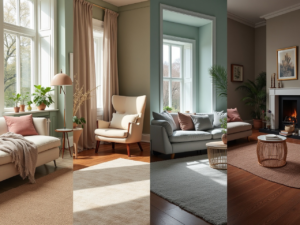
The foundation of any architectural space begins long before the walls are raised; it starts from the ground up, rooted in the textures and tones that anchor a room. Flooring elements possess a profound ability to shape spatial aesthetics, dictating the atmosphere and emotional resonance of an environment. As modern design leans increasingly toward a harmonious blend of the past and the future, the growing role of rugs and carpets in architectural design has become impossible to ignore. These woven canvases do more than cover floors; they orchestrate the flow of light, sound, and energy within a curated space.
In recent years, the rising demand for transitional rugs in residential and commercial architecture projects has signaled a shift in how we experience interiors. Designers are moving away from stark minimalism and overly ornate traditionalism, seeking a middle ground that honors age-old craftsmanship and contemporary design. This delicate balance allows spaces to feel both grounded in history and remarkably forward-looking. Architecture firms across India are now prioritizing versatile, high-quality floor coverings that can adapt to varying design languages while maintaining structural and visual integrity.
This pursuit of balance brings us to The Ambiente, a premium sourcing destination for architects and design professionals. Born in a quaint bustling town, amidst the rhythmic clatter of looms, the vivid dyes of artisan workshops, and the illustrious architecture of Uttar Pradesh, the brand weaves together heritage and modernity. For architectural firms seeking the finest transitional rugs and carpet for architecture firms in India, The Ambiente provides an ecosystem where traditional craftsmen and rural artisans form the essence of every bespoke creation.
What Are Transitional Rugs and Carpets?
Understanding Transitional Interior Style
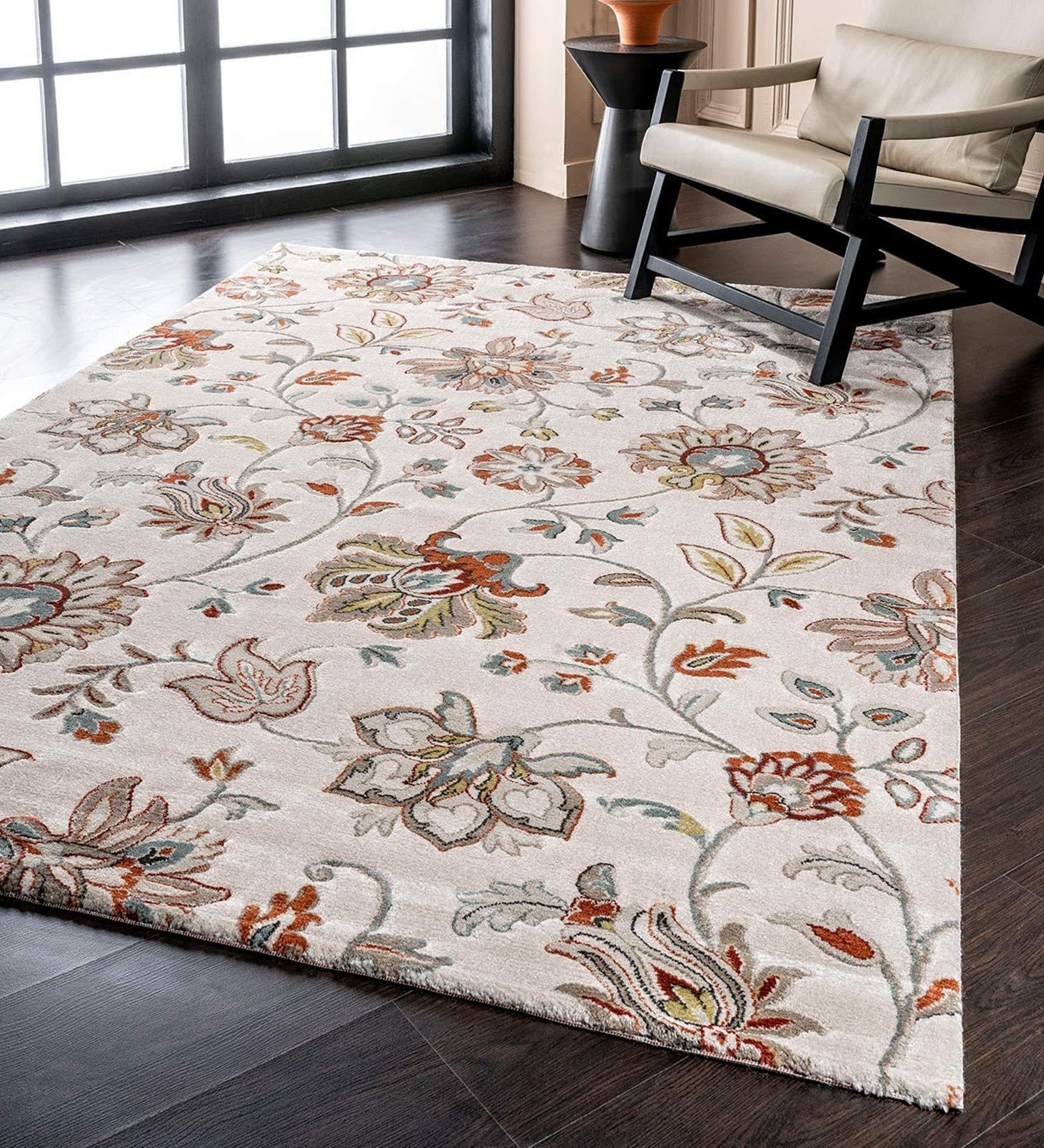
Transitional interior style derives its defining characteristics from a seamless fusion of traditional elegance and modern minimalism. It is a design philosophy that champions neutral palettes with layered textures, creating spaces that feel sophisticated yet deeply comfortable. A transitional rug acts as the unifying thread in these environments, taking classic motifs and softening them, or elevating simple contemporary lines with intricate weaving techniques. This approach makes transitional carpets highly adaptable across multiple architectural styles, from sprawling urban penthouses to heritage hotel restorations.
Why Transitional Rugs Appeal to Architects
For those who design spaces meant to endure, a timeless design language is paramount. Transitional rugs offer flexible styling possibilities, allowing architects to specify a single foundational piece that effortlessly complements both classic and contemporary spaces. By stripping away overly dominant patterns and focusing on texture, material, and muted hues, these rugs allow the surrounding architectural elements—such as exposed concrete walls, intricate woodwork, or sweeping glass facades—to breathe and command attention, while still providing a warm, tactile underfoot experience.
Why Architecture Firms Choose Transitional Rugs and Carpets
Adds Depth and Character to Spaces
A well-crafted rug fundamentally alters the perception of a room. It enhances spatial warmth, turning echoing halls into inviting sanctuaries. In the expansive footprint of modern design, these rugs serve to define zones within open layouts, subtly guiding movement without the need for rigid partitions. Furthermore, a high-quality transitional piece elevates the overall material palette, bridging the gap between cold structural elements like marble or steel and the human need for comfort and softness.
Suitable for Diverse Architectural Projects
The versatility of transitional rugs makes them an invaluable asset for a wide array of developments. Architecture firms frequently specify them for luxury residences and sprawling villas, where personalized comfort is key. Equally, hospitality projects rely on these pieces to evoke a sense of home for weary travelers. From high-traffic commercial interiors and corporate experience centers to exclusive boutique developments, transitional carpets for interiors provide a resilient yet luxurious foundation that scales to meet the demands of any environment.
Balances Luxury with Functionality
Architectural solutions cannot merely exist as visual triumphs; they must perform. Transitional carpets achieve a rare equilibrium by utilizing durable materials without compromising sophisticated aesthetics. Woven tightly by skilled hands, these pieces ensure long-lasting performance, withstanding the rigors of heavy foot traffic while retaining their structural integrity and visual allure over decades.
Key Features Architects Should Look for in Rugs and Carpets
Material Selection
The tactile quality of a space relies heavily on the materials chosen. Wool rugs remain a staple for their natural resilience, warmth, and sound-dampening properties. For projects requiring a subtle sheen, bamboo silk rugs introduce a luminous quality that shifts beautifully under natural light. True luxury is often found in hand-knotted carpets, where every thread is intentionally placed. For corporate environments, high-performance commercial fibers blend synthetic durability with artisanal textures.
Customization and Bespoke Design
No two architectural visions are entirely alike, requiring tailoring at every level. The ability to request tailored dimensions ensures a rug fits a room perfectly, rather than floating awkwardly within it. Architectural color matching allows designers to pull specific hues from fabrics, paints, or surrounding masonry. Furthermore, customizing textures and patterns gives architecture firms the freedom to embed unique, project-specific motifs into the very floor of the building.
Performance and Durability
A rug must endure the life lived upon it. High-traffic resistance is non-negotiable for commercial and hospitality settings. Additionally, acoustic benefits are frequently overlooked; a dense, high-quality carpet absorbs reverberation, drastically improving the auditory comfort of cavernous architectural spaces. Finally, easy maintenance ensures that the specified materials retain their elegance long after the project handover.
Sustainability and Ethical Craftsmanship
Modern architecture is increasingly defined by its environmental and social footprint. Eco-friendly materials and sustainable sourcing practices are no longer optional. When specifying rugs, architects look for handmade artisan production, ensuring that the creation of the piece supports rural communities. We at The Ambiente aim to empower, promote and connect our local artisans, ensuring that every knot tied contributes to a sustainable livelihood.
Best Place to Buy Transitional Rugs and Carpet for Architecture Firms in India
Why The Ambiente Is Preferred by Architects
When sourcing transitional rugs and carpet for architecture firms in India, professionals require a partner who understands the complexities of large-scale design. The Ambiente offers curated luxury collections alongside robust bespoke rug manufacturing. Our expertise in architectural collaborations ensures that technical specifications are met flawlessly. With pan-India project support, architects from Mumbai to Bengaluru can rely on seamless execution and delivery.
Custom Solutions for Architectural Projects
Different spaces demand different scales of intervention. We weave custom rugs for luxury residences, ensuring intimate spaces feel personal. For hospitality and corporate environments, our statement lobby carpets leave a lasting first impression. We also possess the loom capacity for large-scale custom rugs and highly durable commercial flooring solutions, tailoring our craft to the exact functional needs of the architecture.
Extensive Transitional Rug Collection
Our portfolio is as diverse as the projects we support. We offer minimalist patterns that sit quietly in a room, as well as artistic abstract designs that act as focal points. Our neutral-toned luxury carpets provide a serene foundation, while our textured contemporary rugs introduce complex sensory layers through varying pile heights and mixed materials.
Types of Transitional Rugs Ideal for Architectural Projects
Hand-Knotted Transitional Rugs
Defined by centuries of technique, hand-knotted transitional rugs represent the pinnacle of premium craftsmanship. Because of the labor-intensive process, these pieces are best reserved for luxury residences and signature spaces where their intricate details and longevity can be fully appreciated.
Hand-Tufted Rugs
When timelines are tight but quality cannot be sacrificed, hand-tufted rugs provide cost-effective custom luxury. Using a specialized tool to punch yarn through a canvas backing, this method is ideal for large projects, allowing architects to achieve bespoke transitional designs efficiently.
Flatweave Transitional Rugs
Lacking a pile, flatweave transitional rugs offer a lightweight and modern aesthetic. Their crisp, clean profile makes them perfect for contemporary interiors, particularly in warmer climates or spaces where low clearance is required for doors and furniture mobility.
Broadloom Carpets
For expansive corporate or hospitality environments, broadloom carpets deliver seamless commercial flooring. Installed wall-to-wall, these carpets provide a unified look across vast square footage, making them highly suitable for hospitality and office projects requiring cohesive design and acoustic control.
How Architects Use Transitional Rugs in Modern Spaces
Open-Plan Living Spaces
In modern residential architecture, walls have given way to expansive, multi-use areas. Rugs provide crucial zone definition without partitions, anchoring a seating arrangement or a dining table. They add softness and warmth, contrasting beautifully against polished concrete or hardwood flooring.
Luxury Villa Projects
A villa requires a narrative that flows from room to room. Transitional pieces create sophisticated layered interiors, weaving a consistent thread through varied spaces. They enhance premium material palettes, pulling together the tones of local stone, timber, and custom upholstery.
Hospitality and Commercial Interiors
In hotels and corporate offices, the human experience is paramount. Rugs significantly improve acoustics and comfort, hushing the clatter of footsteps in busy corridors. This subtle sensory control supports high-end guest experiences, making vast commercial spaces feel surprisingly intimate.
Reception and Experience Areas
The entrance to a building sets the tone for everything that follows. A carefully specified carpet creates immediate visual impact in a lobby. By selecting a design that echoes the geometry or color story of the building, architects strengthen the design identity from the moment a guest steps through the door.
Benefits of Working with a Specialized Rug Supplier
Design Collaboration Support
A true supplier acts as a collaborator. We offer extensive material consultations to ensure the selected fibers align with the project’s functional needs. Through CAD and customization support, we translate an architect’s conceptual sketch into a precise, weave-ready blueprint.
Bulk and Project-Based Execution
Large architectural endeavors require rigorous logistical oversight. Specialized suppliers guarantee timely deliveries, coordinating with construction schedules to ensure rugs arrive exactly when the site is ready. Consistent quality control ensures the five-hundredth rug looks just as flawless as the first.
Bespoke Manufacturing Capabilities
For projects aiming to push boundaries, we develop exclusive architectural rug concepts. We experiment with custom textures and finishes, bringing highly specific, avant-garde flooring visions to life through traditional looming techniques.
Transitional Rug Trends in Indian Architecture (2026)
Earth-Toned Luxury Rugs
As architects seek to bring the outside in, warm terracottas, deep ochres, and muted moss greens are dominating palettes, grounding modern structures in the colors of the earth.
Organic Textures and Patterns
Moving away from rigid geometry, fluid lines mimicking natural formations—such as the ripples of sand or the grain of wood—are becoming highly sought after for softening brutalist architecture.
Sustainable Handmade Carpets
The demand for transparency in material sourcing is leading architects to specify undyed wools, natural botanical dyes, and ethically produced pieces that tell a story of environmental stewardship.
Minimalist Transitional Aesthetics
A “less is more” approach is reshaping the transitional category, focusing on the quality of the weave and subtle high-low pile variations rather than complex, multi-colored motifs.
Oversized Statement Rugs
Rather than multiple small rugs breaking up a space, architects are increasingly specifying massive, singular floor coverings that unify entire open-plan environments under one cohesive design.
Why Rugs Matter in Architectural Design
The architecture of a space is only fully realized when humans inhabit it. Rugs enhance spatial storytelling, acting as the tactile interface between the building and the user. They improve the tactile experience, reminding us of the human hands that wove them. A well-placed rug adds visual warmth and scale to intimidatingly large rooms, and ultimately, creates an emotional connection within spaces, transforming a mere building into a place of belonging.
FAQs About Transitional Rugs and Carpet for Architecture Firms
Which rug materials are best for architectural projects?
Wool and bamboo silk are highly favored for luxury residential projects due to their durability and sheen, while high-performance synthetic blends are recommended for heavy-traffic commercial spaces.
Can architects customize rug designs?
Absolutely. Specialized suppliers allow architecture firms to customize dimensions, colors, patterns, and pile heights to seamlessly match the spatial and aesthetic requirements of their specific projects.
Are transitional rugs suitable for commercial spaces?
Yes. Transitional styles can be woven using durable, commercial-grade techniques, making them perfect for hospitality lobbies, corporate offices, and luxury retail environments.
What is the best rug type for luxury villas?
Hand-knotted transitional rugs are considered the gold standard for luxury villas, offering unmatched longevity, intricate detailing, and an artisanal quality that elevates premium architecture.
How do architecture firms source rugs in bulk?
Firms partner with specialized manufacturers like The Ambiente, who possess the looming capacity, quality control systems, and project management expertise required to fulfill large-scale orders on time.
Where can architects buy premium transitional rugs in India?
For curated luxury collections, bespoke manufacturing, and dedicated architectural collaboration, The Ambiente is the premier destination for sourcing transitional rugs in India.
Elevating Architectural Spaces with The Ambiente
The foundation of modern architecture relies heavily on the thoughtful integration of texture, history, and utility. Transitional rugs serve as the perfect conduit for this integration, marrying age-old craftsmanship and contemporary design to create environments that are both visually striking and deeply welcoming. The ability to customize dimensions, match specific palettes, and rely on quality craftsmanship makes these floor coverings an indispensable tool in the architect’s repertoire. We invite architects, interior designers, and design firms to explore The Ambiente for premium transitional rugs and carpets in India, where every thread weaves together the vision of the architect with the soul of the artisan.