Architecture is a language spoken through materials. Wood breathes warmth, concrete grounds the structure, and glass invites the sky inside. Yet, it is the textiles that often finish the sentence. The role of textiles in architectural storytelling cannot be overstated. They soften the acoustics of a cavernous room, bridge the gap between hard surfaces, and anchor furniture in open spaces.
For modern studios across India, the search for the right textile often leads to one specific solution. Architects increasingly prefer minimal, functional, and scalable rug solutions to complement their clean lines. This preference has driven the rise of flatweave rugs in contemporary architecture. These pieces do not shout for attention. Instead, they whisper quiet elegance, sitting flush against the floor while adding essential texture.
This guide explores the intersection of spatial design and textile craft. It offers architecture firms and studios a comprehensive map for sourcing flatweave rugs and carpets across India, highlighting the techniques, the heritage, and the makers who bring these visions to life.
Why Flatweave Rugs Are Ideal for Architectural Projects
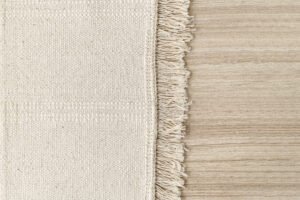
A beautifully designed space requires elements that work in harmony. Flatweave rugs offer a clean, low-profile structure that complements modern architecture perfectly. Without the thick pile of a hand-knotted carpet, flatweaves sit close to the floor. This allows doors to open smoothly and furniture to transition seamlessly.
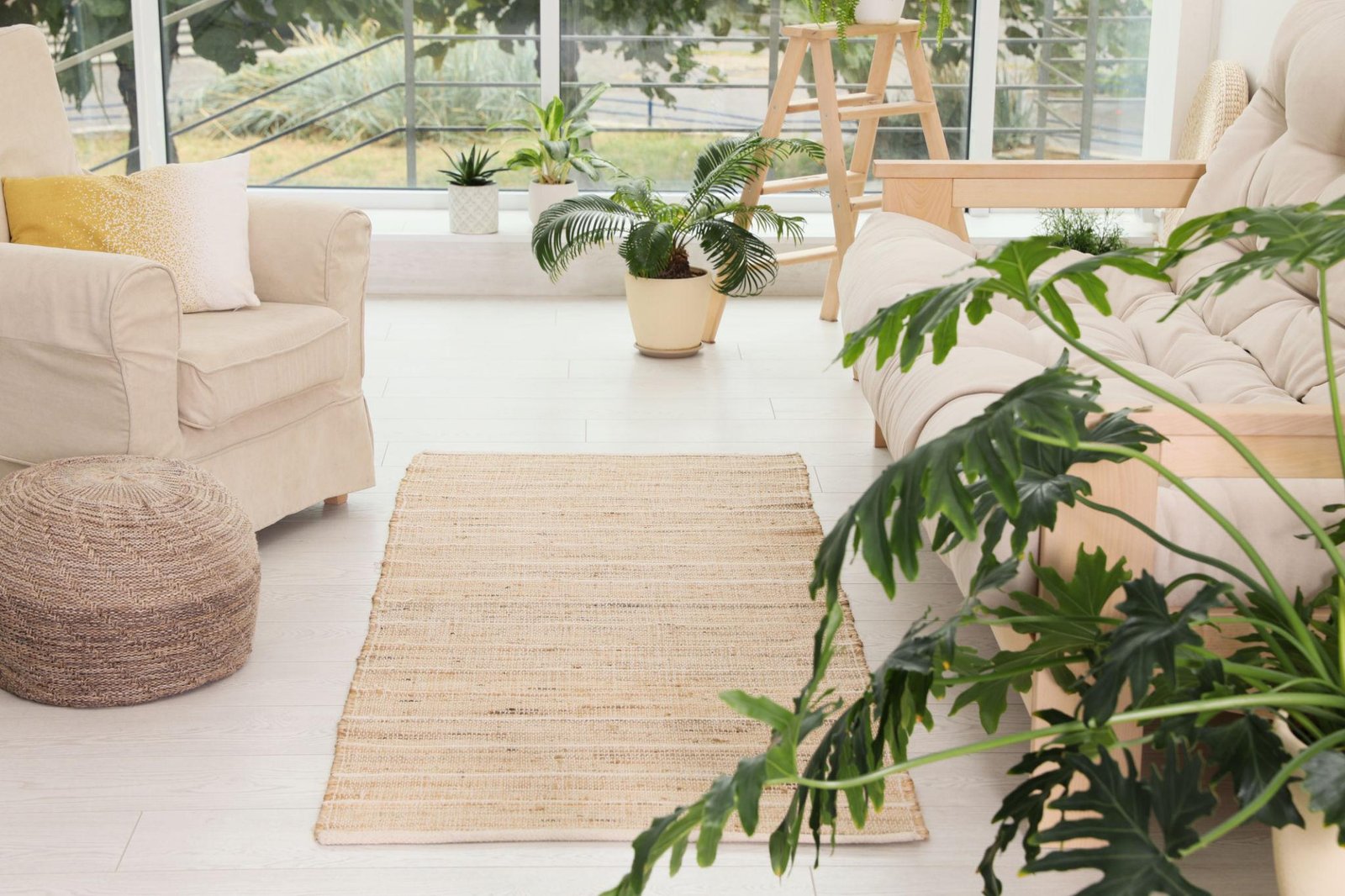
They are incredibly lightweight and adaptable for large-scale layouts. Moving them across a sprawling hotel lobby or an expansive office floor requires minimal effort. This makes them ideal for open-plan zoning without visual clutter. An architect can use a large flatweave to define a seating area in a massive living room, separating it from the dining space using only texture and color.
Beyond aesthetics, these rugs are highly practical. They are durable and often reversible for long-term use. When one side shows wear, flipping it over reveals a fresh surface. This resilience ensures that flatweave rugs work exceptionally well in both residential and commercial architecture.
Key Considerations for Architects When Selecting Flatweave Rugs
Choosing the right rug is a purposeful act of design. The first consideration is always the alignment with architectural materials. A flatweave must converse naturally with the surrounding stone, wood, or poured concrete. The texture and weave are vital for spatial balance. A chunky woolen dhurrie might soften a brutalist concrete floor, while a sleek cotton kilim might perfectly accent a polished marble hallway.
Scale is another critical factor. Architecture rarely conforms to standard rug sizes. Custom sizing for irregular layouts is often necessary, ensuring the textile fits the exact dimensions of a bespoke room.
Furthermore, modern studios prioritize sustainability and eco-friendly materials. Using natural fibers ensures the project remains environmentally conscious. Finally, the best results emerge from direct collaboration with rug makers during the design phase. When architects and artisans sit together, the resulting piece becomes an integral part of the architecture itself.
The Ambiente – A Premium Sourcing Partner for Architecture Studios
The Ambiente derives its name from the word ‘ambience’, encapsulating the vibration, diverse characteristics, and mood of a surrounding. Defined by the name itself, the design atelier believes that a rug has an ability to determine the atmosphere of a living space.
The brand finds its origin in a quaint bustling town called Bhadohi, amidst the holy choruses, the scrumptious kebabs, and the illustrious architecture of Uttar Pradesh. Life took a yarnful turn for Avani when she tied the knot with rug-man Priyam Baranwal, the present owner of the 30-year-old manufacturer and exporter Bhadohi Carpets. Today, The Ambiente stands as a premium sourcing partner, sharing a strong collaboration with architecture firms and studios across the country.
Exploring with colors and innovating in textures, The Ambiente weaves together age-old craftsmanship and contemporary design. They offer a wide range of textiles: traditional dhurries, vibrant kilims, and modern flatweave textures. Their focus on custom design solutions aligned with architectural concepts makes them a favorite among industry professionals. They are trusted by architects for residential, commercial, and hospitality projects alike, creating rugs that are utterly unique yet immensely versatile. We at The Ambiente aim to empower, promote, and connect our local artisans by providing them a sustainable livelihood, recognition for their work, as well as an ecosystem to co-create and learn.
Other Reliable Sources for Flatweave Rugs in India
While The Ambiente provides a curated, architect-focused experience, India is rich with regional hubs dedicated to the craft of weaving.
Panipat is famously known as a large-scale dhurrie production hub. It excels in volume, providing heavy cotton and recycled yarn flatweaves for projects that require rapid, large-scale deployment.
The heritage city of Jaipur offers design-driven handcrafted flatweaves. Here, block-printing traditions often merge with weaving, resulting in highly decorative, colorful pieces that suit boutique hospitality projects.
Bhadohi remains the undisputed capital for carpet manufacturing and exports. It offers an incredible infrastructure for both flatweaves and knotted rugs, allowing for high levels of customization.
Finally, scattered across the country are small artisan studios for bespoke design collaborations. These independent collectives offer highly specialized, limited-run textiles for niche, luxury architectural projects.
Popular Flatweave Styles in Architectural Design
Architects typically gravitate toward styles that enhance rather than overwhelm a space. Minimalist neutral rugs for modern spaces are a constant favorite. Shades of ivory, charcoal, and warm gray allow the structural elements of a room to shine.
Geometric patterns for structured layouts add a sense of order. Crisp lines and intersecting shapes can echo the architectural grid of a building.
For spaces that feel too stark, textured flatweaves for tactile contrast are the perfect remedy. Using un-dyed wool or thick, braided cotton introduces a deeply human element to an otherwise clinical room.
Finally, monochrome rugs for clean architectural language provide a solid block of color that grounds a room without introducing competing patterns.
The Custom Rug Design Process for Architects
Creating a custom rug is a journey of translation. It begins with concept integration with architectural drawings. The textile must make sense on the floor plan before a single thread is dyed.
Next comes the creation of mood boards and material palettes. Architects match yarn samples against wood swatches, paint chips, and stone fragments. This ensures the colors harmonize under both natural and artificial light.
Pattern development and sampling follow. A small ‘strike-off’ or sample is woven to test the texture and color accuracy. Once approved, the team establishes production and execution timelines.
The final installation within the architectural space is the culmination of this yarnful process, where the bespoke piece is finally unrolled, completing the room.
Budgeting and Cost Considerations
Budget management is a reality for every architectural firm. Flatweave rugs offer a highly cost-effective alternative to hand-knotted rugs. Because they take less time to weave and use less material, they are significantly more accessible for large spaces.
Pricing is generally based on material, weave, and the level of customization. A simple cotton dhurrie will cost less than a complex, multi-colored woolen kilim.
For expansive commercial projects, there are distinct bulk production advantages. Ordering multiple rugs for a hotel or corporate office reduces the cost per square foot. Ultimately, the durability and timelessness of these pieces provide exceptional long-term value in architectural applications.
The Role of Flatweave Rugs in Enhancing Architecture
A rug does much more than cover a floor. It actively defines zones in open-plan layouts. A large flatweave under a dining table instantly creates a ‘room within a room’.
It enhances spatial flow without overpowering the design. Because flatweaves are thin, they do not create physical barriers. The eye glides right over them.
They add essential warmth and acoustic comfort. Hard surfaces bounce sound waves, creating echoes. The woven texture of a dhurrie absorbs this sound, making a space feel intimate and calm. Ultimately, the rug acts as a subtle design layer, tying the entire architectural concept together.
Sustainability and Material Benefits
Modern architecture is deeply intertwined with environmental responsibility. Flatweave rugs support this ethos through the use of natural fibers like cotton, jute, and wool.
These materials allow for eco-friendly and sustainable production. Unlike synthetic carpets that require petroleum-based plastics and chemical adhesives, traditional flatweaves are biodegradable and minimally processed.
They are lightweight and low-impact materials. Shipping a flatweave requires less fuel and packaging than a heavy, rolled broadloom carpet. This aligns perfectly with the increasing demand in green architecture projects, where every material is scrutinized for its carbon footprint.
Why India is a Global Hub for Flatweave Rugs
India’s dominance in the textile world is no accident. The country possesses a strong heritage of dhurrie weaving that dates back centuries. This ancestral knowledge is passed down through generations, ensuring the craft remains alive and vibrant.
Simultaneously, India offers scalable production for large architectural projects. Whether an architect needs one bespoke rug for a penthouse or five hundred identical runners for a resort, the infrastructure exists to deliver.
The market offers competitive pricing and export quality, meeting rigorous international standards for durability and colorfastness. Most importantly, architects have direct access to skilled artisans and innovation, allowing ancient techniques to be reimagined for tomorrow’s buildings.
Weaving the Final Layer into Architectural Spaces
The relationship between a building and its textiles is foundational. Flatweave rugs offer architects a unique blend of clean aesthetics, practical durability, and spatial harmony. They soften the harshness of modern materials while respecting the structural integrity of the design.
For architecture firms, finding a design-aligned supplier is crucial. It requires a partner who understands the nuances of space, scale, and material palettes.
Big or small — around the world. We invite you to discover the widest range of ready-to-ship, eco-friendly rugs and carpets to elevate every space. For premium, customizable flatweave rugs in India, The Ambiente stands ready to bring your architectural vision to life.
FAQs
Why do architects prefer flatweave rugs?
They offer a clean, minimal look with high functionality. Their low profile allows for seamless transitions between spaces, and their varied textures complement hard architectural materials beautifully.
Are flatweave rugs suitable for commercial architecture?
Yes, they are highly durable, lightweight, and scalable. Many flatweaves are reversible, meaning they can withstand heavy foot traffic in offices and hotels for years before needing replacement.
Can flatweave rugs be customized for architectural layouts?
Yes, especially with dedicated suppliers like The Ambiente. Architects can specify exact dimensions, unusual shapes, and bespoke color palettes to fit irregular room layouts.
What materials are best for architectural flatweave rugs?
Natural fibers like cotton and wool are favored for their durability and sustainability. They age beautifully, absorb sound effectively, and align with eco-friendly building practices.
Where can architects buy flatweave rugs in India?
The Ambiente is a premier choice for bespoke architectural collaborations, alongside traditional weaving hubs like Panipat for volume, Jaipur for block-printed designs, and Bhadohi for extensive manufacturing capabilities.