The word “ambience” captures the vibration, diverse characteristics, and mood of a surrounding. Long before a building is furnished, the architecture itself speaks — but it is the textiles that give a room its voice. In the grand symphony of spatial design, a handknotted rug acts as the grounding note, tying together light, volume, and material.
For architecture firms navigating the complexities of modern design, the rug is no longer a mere afterthought. It is a vital architectural tool that influences spatial aesthetics, softens acoustics, and invites tactile comfort. As the demand for bespoke, site-specific interiors grows, architects are increasingly seeking textiles that echo their structural vision.
This guide serves as a map for architects and design studios seeking the finest handknotted rugs and carpets in India. We will explore the interplay between woven craft and built environments, detail the custom design process, and reveal why the heritage city of Bhadohi remains the beating heart of Indian rug-making.
Why Architecture Firms Prefer Handknotted Rugs
A well-designed building relies on intention, and handknotted rugs carry that same purposeful craft. Architecture firms prefer these artisanal pieces because they offer a seamless integration with structural concepts. When a space requires a specific geometry or a nuanced color palette, ready-made carpets often fall short.
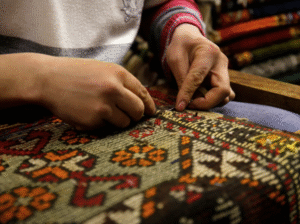
Handknotted pieces allow designers to fully customize scale, texture, and patterns. A soaring atrium can be anchored by a massive, sweeping textile, while a quiet study can be warmed by a densely woven silk blend. Beyond visual appeal, these rugs add depth, warmth, and vital acoustic balance to echoing spaces. Because human hands tie every individual knot, each piece is entirely unique — making it the ideal finishing touch for signature architectural projects.
Key Considerations for Architects When Selecting Rugs
Selecting the right rug requires a careful balance of art and engineering. Architects must ensure the textile aligns perfectly with the overarching architectural theme and the existing material palette of stone, wood, or glass.
Custom sizing is particularly crucial for irregular or expansive spaces. A rug must define a zone without overwhelming the floorplan. Furthermore, architects must consider texture and pile height for practical functionality. High-traffic commercial lobbies require durable, low-pile constructions, whereas luxury residential bedrooms invite high-pile indulgence.
Sustainability and the use of natural materials are also paramount. Today’s design studios prioritize eco-conscious sourcing, leading to a deep reliance on close collaboration with rug manufacturers to ensure ethical, flawless design execution.
The Ambiente – Best Place to Buy Handknotted Rugs in India for Architects
The brand finds its origin in a quaint, bustling town called Bhadohi, amidst the holy choruses, the scrumptious kebabs, and the illustrious architecture of Uttar Pradesh. As a leading luxury rug destination, The Ambiente has built a strong, enduring collaboration with top architecture and design firms across the country.
Life took a yarnful turn for Avani when she tied the knot with rug-man Priyam Baranwal, the present owner of the 30-year-old manufacturer and exporter, Bhadohi Carpets. Together, they have curated a wide range of contemporary, abstract, and traditional designs. Exploring with colors and innovating in textures, The Ambiente weaves together age-old craftsmanship and contemporary design to create rugs that are utterly unique yet immensely versatile.
With deep expertise in bespoke rugs tailored to complex architectural layouts, The Ambiente is fiercely trusted by architects for premium residential and commercial projects alike. They empower, promote, and connect local artisans, providing them a sustainable livelihood while delivering unmatched quality to the design world.
Other Trusted Sources for Handknotted Rugs in India
While The Ambiente stands as a premier partner, India is home to a rich tapestry of rug-making hubs.
Bhadohi remains the undisputed capital for large-scale production and export expertise, housing generations of master weavers. Moving west, the heritage city of Jaipur is celebrated for its design-led, handcrafted rug manufacturers who often blend traditional Rajasthani motifs with transitional styles.
For architects seeking immediate, tactile inspiration, premium design showrooms in Delhi and Mumbai offer curated collections from across the country. Additionally, artisan-led boutique rug studios scattered across the subcontinent provide highly specialized, small-batch weaves for niche architectural requirements.
Popular Rug Styles in Architectural Projects
The language of a rug must converse fluently with the language of the room. Abstract and contemporary rugs are heavily favored in modern architecture, offering fluid visual movement against rigid structural lines.
For spaces that champion a clean, unblemished design language, minimalist neutral palettes are essential. These soft, tonal rugs allow the architecture to remain the focal point while providing necessary warmth. Conversely, geometric patterns are frequently used to complement structured, brutalist, or mid-century modern interiors. Finally, heavily textured rugs — combining high and low piles — are utilized for tactile and visual contrast against smooth surfaces like polished concrete or marble.
Custom Rug Design Process for Architects
Bringing a custom rug to life is a collaborative journey. It begins with concept development and mood boards, where architects share their spatial vision, material swatches, and lighting plans.
Next comes the delicate task of design translation, converting structural ideas into weave-ready rug patterns. Manufacturers then create small physical samples (or “strike-offs”) for the architect’s approval, ensuring the colors and textures perform perfectly under the site’s specific lighting.
Once approved, the production timelines are set. The rhythmic clack of the loom begins, culminating weeks or months later in the final delivery and precise installation within the architectural space.
Budgeting & Cost Considerations
A handknotted rug is a living investment. Prices are determined by a matrix of material choices, knot density, and the level of intricate customization required.
While bespoke rugs carry different cost implications compared to mass-produced, ready-made alternatives, they bring profound value addition to high-end architectural projects. Handknotted wool and silk rugs boast incredible long-term durability. When architects factor in the lifecycle cost and the way a premium rug elevates the perceived property value, the initial investment proves immensely worthwhile.
Role of Rugs in Enhancing Architectural Spaces
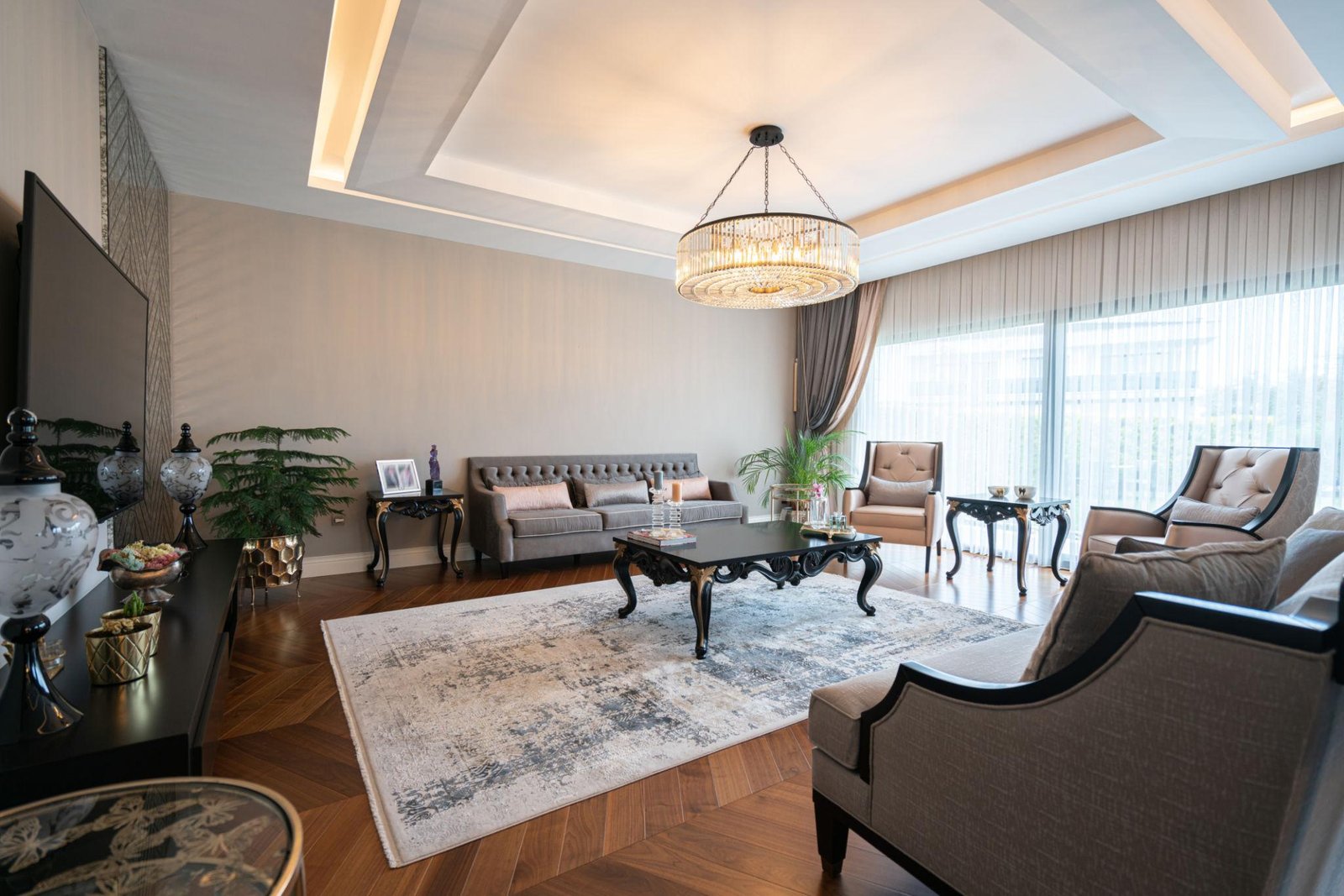
A rug is architecture on an intimate scale. In sprawling, open-plan layouts, a carefully placed carpet acts as a visual boundary, defining intimate zones without the need for physical walls.
It often acts as a focal design element, anchoring floating furniture and giving the eye a place to rest. By manipulating color and scale, a rug enhances spatial flow and visual balance. Crucially, in modern buildings dominated by hard, reverberating surfaces, these textiles dramatically improve acoustics and human comfort.
Sustainability & Craftsmanship in Indian Rugs
The Ambiente and its contemporaries are deeply committed to the earth and the hands that shape it. The use of natural, biodegradable fibers like hand-spun wool and pure silk ensures a minimal environmental footprint.
This industry relies on ethical craftsmanship and the preservation of artisan livelihoods. Sustainable production processes — from natural dyeing techniques to water recycling — align perfectly with the growing demand for eco-conscious materials in modern architecture.
Why India is a Preferred Sourcing Hub for Architects
India does not merely manufacture rugs; it breathes life into them. The country holds a rich, illustrious heritage of handknotted craftsmanship that spans centuries.
Today, this heritage meets global quality standards and sophisticated export infrastructure. India offers highly competitive pricing for custom luxury rugs without ever compromising on artistic integrity. For architects, this means unparalleled access to highly skilled artisans and constant material innovation.
Designing the Future from the Ground Up
Handknotted rugs are far more than decorative floor coverings — they are essential acoustic, spatial, and aesthetic tools in architectural projects. Choosing a collaborative and reliable supplier ensures that the final textile honors the structural vision of the space.
For architects seeking premium, custom-designed rugs in India, The Ambiente stands ready as an ideal partner. Big or small — around the world. We invite design studios to discover the widest range of ready-to-ship and bespoke eco-friendly rugs to elevate every space. Connect with The Ambiente today to begin weaving your next architectural masterpiece.
FAQs
Why do architects prefer handknotted rugs?
They offer unmatched customization, heirloom quality, and total design flexibility, allowing the textile to integrate seamlessly with the built environment.
Can rugs be designed as per architectural drawings?
Yes, especially with bespoke design ateliers and suppliers like The Ambiente, who specialize in translating spatial blueprints into woven art.
What materials are best for architectural projects?
Natural wool, pure silk, and blended fibers are highly favored for their incredible durability, acoustic benefits, and timeless aesthetics.
Are custom rugs expensive for large projects?
They are a measured investment, but they add significant design gravitas, longevity, and overall property value to high-end projects.
Where can architects source premium rugs in India?
Architects consistently turn to The Ambiente, alongside established weaving hubs like Bhadohi and Jaipur, for their project sourcing needs.