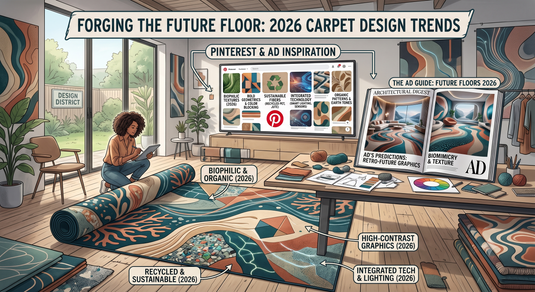
The most useful carpet trends for a cohesive home in 2026 are ideas you can adapt to your room: tactile surfaces, considered colour, expressive geometry and textiles that feel connected to the rest of the interior. Pinterest and Architectural Digest can help you discover these directions, but an inspiration image is only the beginning of a buying decision.
A room becomes coherent when the rug relates to furniture, lighting, materials and everyday use. Copying a dramatic photograph without checking scale or care can produce a room that looks impressive for a moment and works poorly afterwards. This guide turns current inspiration into practical choices for Indian homes.
Read a trend source as a starting point
Pinterest Predicts presents forecast directions, including expressive decor themes. Its 2026 material includes Afrohemian Decor and Neo Deco. These broad themes can suggest earthy textiles, woven surfaces or geometric accents; they do not prescribe a particular carpet for your home.
Architectural Digest India's 2026 home decor ideas offer another editorial source for thinking about materials and personal expression. Neither source should be treated as an endorsement of a retailer, nor as proof that every photographed room represents a universal trend.
The following suggestions are our design interpretations. Use them to build a shortlist, then check proportions, construction and maintenance. If a trend clashes with how the room is used, adapt the visual idea rather than forcing the product into an unsuitable setting.
Direction one: texture that carries the room
Texture can add interest when the palette is restrained. A rug with a subtle surface variation may feel more complete than a perfectly flat colour, particularly beside plain upholstery. The effect can come from weaving, a controlled high-low pile or a mixture of yarn tones.
Choose texture at the scale of the room. A pronounced sculptural surface can be effective in a generous sitting area, but it may compete with several patterned furnishings in a compact room. Make sure furniture sits evenly and walking routes remain practical.
Explore textured rugs with your furniture plan in mind. Examine close-up images, pile height and care instructions. A texture that looks quiet in a distant photograph can feel very different underfoot or become more visually prominent in side lighting.
For a busy living room, texture must be balanced with use. A very long, loose pile may not be the easiest option for a main circulation route. Our tufted material guide explains why yarn, density and backing deserve attention alongside appearance.
Direction two: warmer, more layered neutrals
Neutral does not have to mean a room filled with one identical beige. Warm ivory, soft brown, muted clay and natural timber tones can sit together while retaining enough variation to feel deliberate. The rug can connect those tones without matching every piece of furniture exactly.
Start with the largest existing surfaces. Look at the floor, sofa and curtains in daylight and in the evening. Choose a rug that belongs to the same overall colour relationship. A neutral that appears warm online may look cooler under your room's lighting.
Browse ivory rugs and brown rugs for possible directions. The collection colour is a starting point, not a guarantee of an exact shade. Ask for a sample or additional photographs when undertones matter.
Lighter neutrals can make a room feel calm, but they may show marks more clearly. Think about shoe habits, food and pets before choosing a nearly white rug. Our cream rug care guide helps you separate the visual appeal from the maintenance commitment.
Direction three: geometry with a clear role
Geometric rugs can work in contemporary, transitional or more decorative interiors. The key is deciding what role the pattern plays. A bold design can become the main focal point, while a softer geometry can simply organise the floor beneath quieter furniture.
If the rug is the focal point, allow nearby surfaces to give it space. That might mean plain upholstery, fewer competing cushion patterns or a restrained coffee table. If the room already contains a dramatic artwork, choose a rug whose scale and contrast support that artwork.
Geometric rugs provide several ways to interpret this direction. Do not assume that geometry always means sharp black-and-white lines. Low-contrast motifs and curved forms can create a gentler effect while keeping the room visually structured.
Test the pattern at the intended size. A small image on a phone can make a large motif appear delicate. Ask to see the complete rug and understand how much of the pattern will be covered by furniture. The visible part needs to make sense in the actual layout.
Direction four: traditional motifs in a contemporary setting
A traditional rug can add depth to a room with modern furniture. You do not need to turn the whole interior into a period setting. The contrast between a patterned textile and simple furniture can be enough to create character.
Begin by selecting one or two colours from the rug to repeat in the room. They can appear in a cushion, a lamp base or a small artwork. Avoid trying to reproduce every colour in the pattern. Too many literal matches can make the composition feel busy.
Traditional rugs and transitional rugs offer different approaches to this balance. The choice depends on whether you want a detailed decorative field or a softened interpretation that blends more quietly with existing pieces.
Proportion still matters. A complex pattern on an undersized rug can look disconnected from a seating group. Mark the dimensions before choosing the motif. The room should feel organised when seen as a whole, not merely attractive in a close-up photograph.
Direction five: rugs treated as textile art
Wall textiles are appearing in contemporary interiors as another way to use a rug's pattern and texture. Architectural Digest's article on wall rugs documents this design interest. Hanging a rug requires a suitable installation method and consideration of its weight and condition.
For your own room, think first about the wall composition. A textile above a console can provide a softer visual presence than a framed print. A monochrome or restrained woven design can also work in a minimalist space where colour is deliberately limited.
Do not nail through an expensive rug simply to recreate a photograph. Ask a professional about a method that supports the textile appropriately and suits the wall construction. Our minimalist wall rug guide discusses five design directions and the practical checks behind them.
Build an inspiration board with a purpose
Save images because they answer a question, not merely because they are beautiful. One image might show a useful colour relationship, another a furniture arrangement and another a texture. Label those reasons so you know what you are trying to reproduce.
Include photographs of your actual room in the board. Add the sofa fabric, floor colour and any furniture that will remain. This prevents an inspiration board from becoming a separate imaginary home with no connection to your space.
Check the source and date of saved images. Pinterest may surface older photographs alongside newer content. A pin is not automatically a 2026 trend, and a beautiful project image may involve custom products or unusual lighting. Trace important ideas back to their original publication where possible.
Keep the board selective. A small set of coherent references is easier to use than dozens of conflicting rooms. When two images disagree, decide which feature you actually want. You can combine ideas thoughtfully, but you need a clear hierarchy.
Create a palette before you create a shopping list
Choose a main background, a supporting colour and, if useful, a limited accent. This is a planning method rather than a fixed decorating formula. The rug can be part of the background or carry the accent, depending on the effect you want.
Look at colour in context. A warm grey can appear cooler beside yellow timber, while an ivory rug can appear brighter next to dark upholstery. Photographs do not always capture these relationships accurately. Samples viewed in the intended room are more useful than a colour name alone.
If you are unsure, begin with the existing furniture and introduce a rug that connects it. Buying every object separately because each one follows a trend can create a room without a common thread. The rug should help make the arrangement understandable.
Match the trend to the room's traffic
A quiet reading corner can accommodate a more delicate surface than the path between the entrance and balcony. A dining rug needs to cope with chair movement and likely spills. A child's play space has a different brief again.
Write those conditions into your shopping notes. Ask about composition, pile, backing and cleaning before paying. A fashionable material should not be assumed to be easy-care because it appears in a polished editorial photograph.
For a family sitting area, compare living room rugs by specification as well as design. If a trend appeals mainly through colour, you may be able to find that colour in a construction better suited to your household.
Use scale to keep the look cohesive
The rug should relate to the seating group and visible floor, not only the room's overall dimensions. A large room may contain a compact conversation area. A small room may need a rug that reaches the front legs of the sofa to feel connected.
Mark the proposed outline and check doors, drawers and chair movement. The layout should work before you choose the final pattern. Our small living room rug guide offers useful questions even when your room is not especially small.
Consider the pattern scale too. Several small patterns can compete with one another. A larger, quieter motif may be easier to combine with detailed cushions or curtains. There is no universal rule; view the textiles together and decide which one should lead.
Keep the budget attached to the complete result
A rug budget should include the correct size, a suitable pad where needed and realistic maintenance. Buying a less suitable size to obtain a more fashionable material can weaken the whole room. Proportion is part of the investment.
Decide which features matter most. You might prioritise a particular colour relationship, a handmade surface or an unusual shape. Ranking those priorities makes compromises easier. It also prevents a sales photograph from changing the brief every time you browse.
You do not have to replace a room whenever a trend changes. A thoughtful rug can connect existing pieces and allow smaller updates over time. If you are testing a new colour, try it in an inexpensive accent before committing to a large custom textile.
Keep a record of the final design decision
Save the chosen dimensions, material composition, care instructions and approved colours together. If the rug is custom, include the final drawing and any sample reference. An inspiration board explains the direction, while these records explain what you actually ordered. They help avoid confusion if the room is completed in stages or another person handles delivery and installation. Revisit the complete room before adding more decorative items. Sometimes the rug has already supplied the colour or texture that was missing, and the most coherent next step is to leave the arrangement alone.
Related rug planning guides
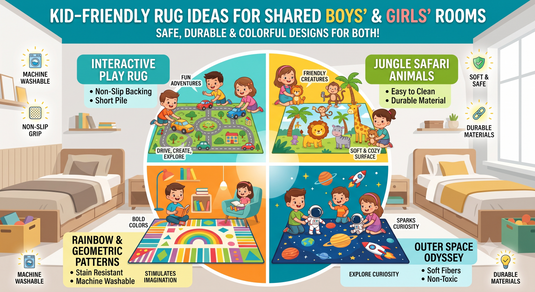
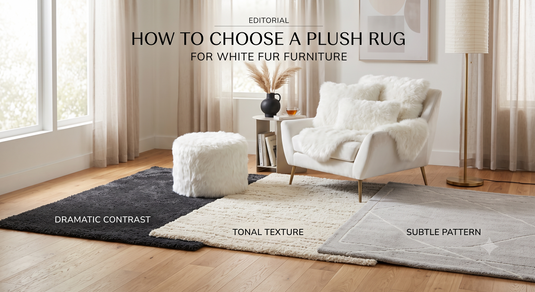
To develop individual ideas, read the plush rug and white furniture guide, shared children’s room guide and carpet texture workflow. Each applies design planning to a different practical brief.
Frequently asked questions
Do I need to follow every current trend?
No. Choose the ideas that suit your taste, room and routine. A trend can help you discover a direction, but it should not override comfortable furniture placement or manageable care. A cohesive interior can contain both established pieces and new accents.
Can Pinterest tell me which rug to buy?
Pinterest can help you identify patterns, palettes and layouts you like. It cannot confirm the construction, authenticity or condition of a rug from a photograph alone. Use inspiration to define your brief, then use product specifications and seller information to make the purchase.
How can I stop a textured room from looking cluttered?
Control contrast and give each texture a role. You might combine a rug with subtle surface interest, plain upholstery and one more pronounced accent. View the room from the entrance rather than judging each object separately. Remove an element if it competes with the composition without adding something useful.
What is the safest way to make a lasting choice?
Measure the room, understand its use and check material care before focusing on fashion. Choose a rug you enjoy in your actual home lighting. Current design inspiration is most helpful when it supports those decisions rather than replacing them.