Textured Rugs & Carpets
- Featured
- Most relevant
- Best selling
- Alphabetically, A-Z
- Alphabetically, Z-A
- Price, low to high
- Price, high to low
- Date, old to new
- Date, new to old
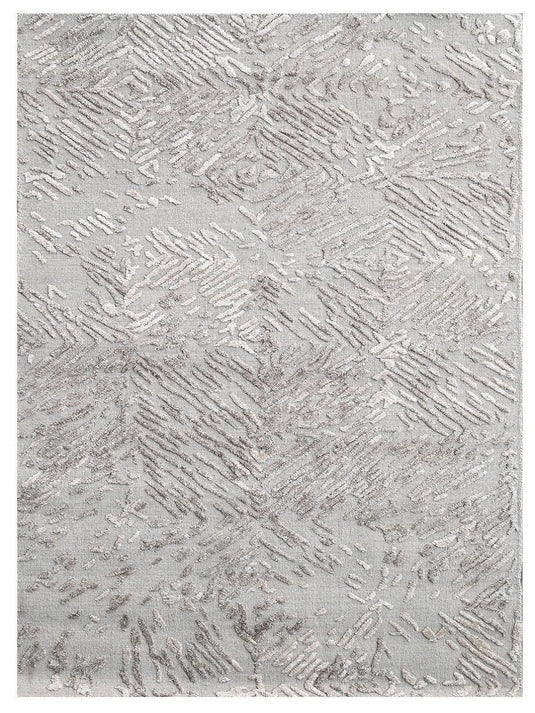
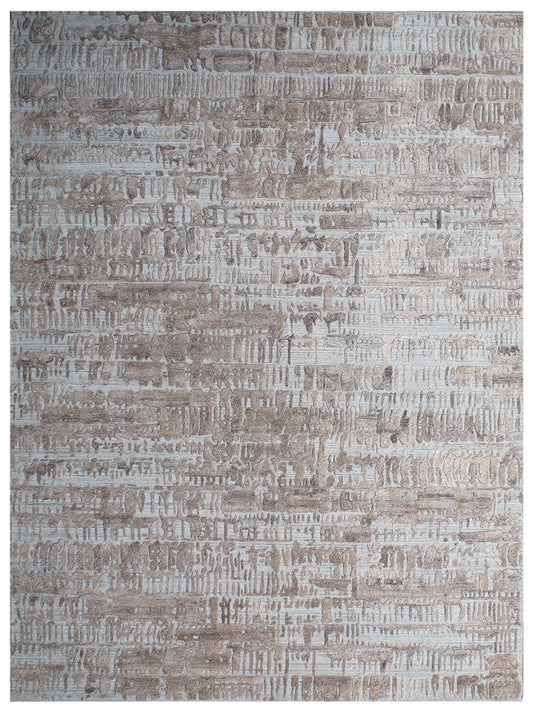
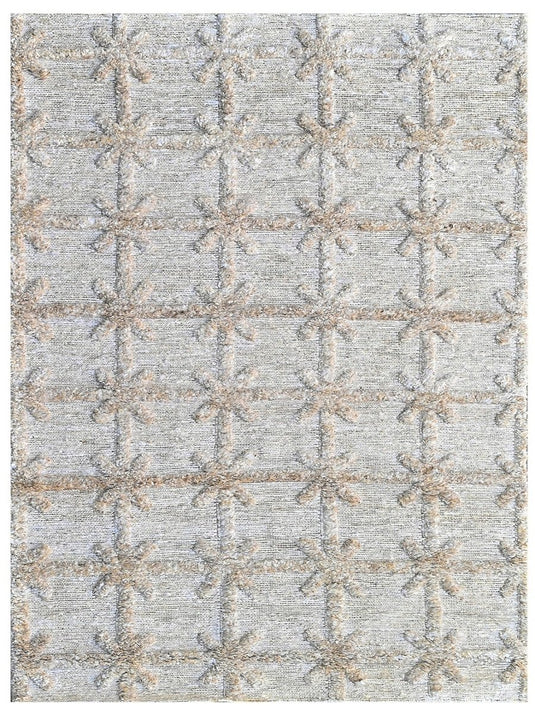
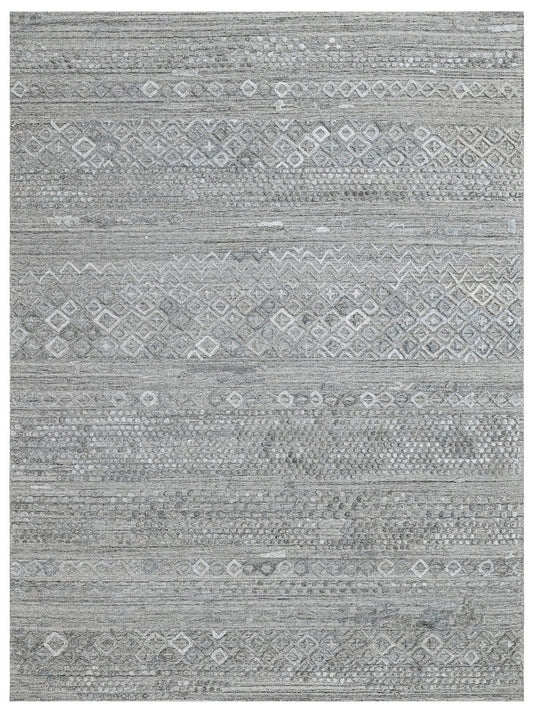
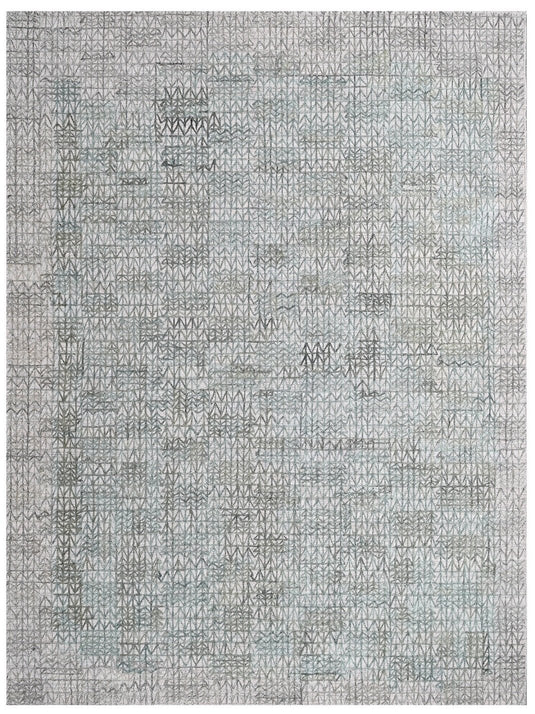
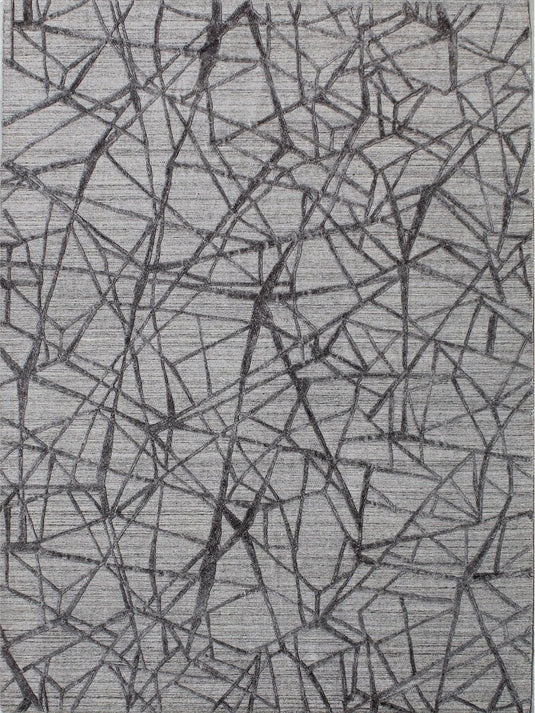
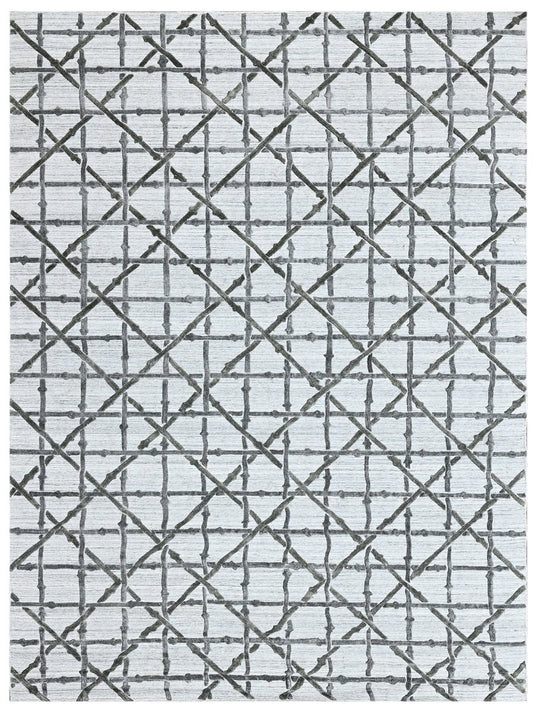
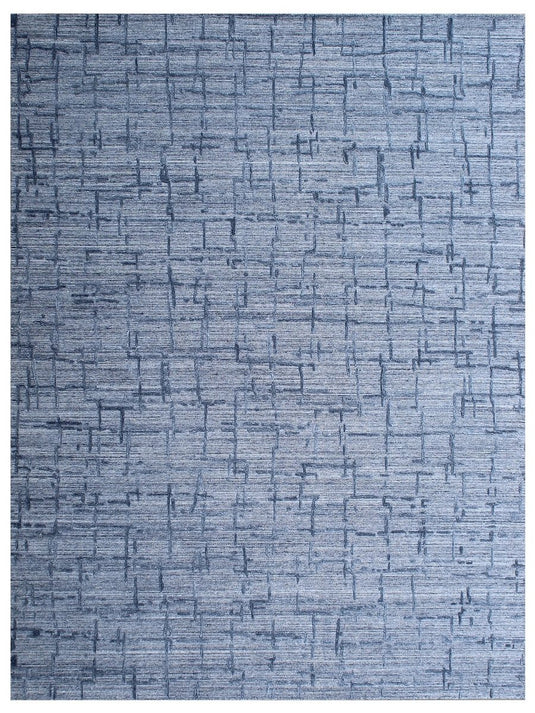
Begin your rug at the Delhi Atelier.
Book a private consultation, request physical samples, or speak with a design expert. Every enquiry is answered personally, usually within one business day.
New Delhi, India · By appointment
Bhadohi Carpets, Bhadohi, Uttar Pradesh.
How we can help you?
Buy Textured Rugs & Carpet at Best Price Online in India
Discover an exceptional collection of textured rugs and carpets at The Ambiente. Designed to elevate interior spaces with sophisticated tactile appeal, our handcrafted pieces combine timeless artistry with contemporary design excellence.
Textured Rugs and Carpets for Dimensional Style and Comfort
Texture transforms a room. Where flat surfaces recede, a textured rug draws the eye, anchors the space, and invites touch. Through variations in pile height, fiber, weaving technique, and surface construction, textured rugs and carpets add visual depth and tactile character that no other furnishing quite replicates. Whether your home leans toward the clean lines of a modern minimalist interior, the warmth of a classic setting, or the layered richness of a contemporary Indian aesthetic, a well-chosen textured area rug brings the room into focus. Explore our collection of handcrafted textured rugs from high-pile and low-pile designs to 3D, embossed, woven, and dimensional carpets each one rooted in the craft traditions of Bhadohi.
Explore Premium Textured Rugs and Carpets
Browse our full collection of textured rugs and carpets, crafted by skilled artisans from South Asia's largest handwoven carpet weaving hub. Every piece in this collection is designed to bring a distinct surface quality to your space — whether that means a soft, cloud-like pile underfoot or a precisely carved geometric pattern at the heart of your living room.
Filter by:
- Size
- Color
- Material
- Pile Height
- Texture
- Shape (Rectangular, Round, Square, Runner)
- Pattern
- Room
- Price
High-Pile and Low-Pile Textured Area Rugs
Pile height is one of the most important decisions you'll make when selecting a textured rug. It shapes how the rug looks, how it feels underfoot, and how it performs over time.
High-Pile Textured Rugs
High-pile rugs feature a deeper, softer surface that creates a sense of warmth and visual fullness. The added depth amplifies texture, making raised patterns more pronounced and surfaces richer to the touch. These rugs work beautifully in lounges, reading nooks, and bedrooms spaces where comfort is as important as style. Because of their depth, they tend to make a room feel more intimate and enveloping.
Low-Pile Textured Rugs
Low-pile rugs offer a flatter surface with a more subtle texture. Their understated quality makes them highly versatile they complement furniture placement well, resist flattening under heavy legs, and are generally easier to maintain. In high-traffic areas or dining rooms, a low-pile textured rug holds its shape and appearance far more reliably over time.
Mixed-Pile Rugs
Where high and low pile meet within a single rug, the result is a dynamic, dimensional surface. Raised sections catch the light differently from recessed ones, creating patterns that shift as you move around the room. Mixed-pile rugs are particularly effective in contemporary interiors where surface detail does the heavy lifting.
Modern Textured Rugs for Contemporary Home Decor
Contemporary textured rugs are defined not by bold color alone, but by the quality of their surface. Clean lines, tonal palettes, and carefully considered surface variation make these rugs equally suited to a curated urban apartment or a spacious family home.
Minimalist Textured Rugs
In a minimalist interior, texture does the work that pattern and color usually share between them. A tonal rug with a gently raised surface perhaps a soft loop weave or a subtly carved grid adds interest without demanding attention. These rugs work well in spaces where restraint is a design choice, not a compromise.
Abstract Textured Rugs
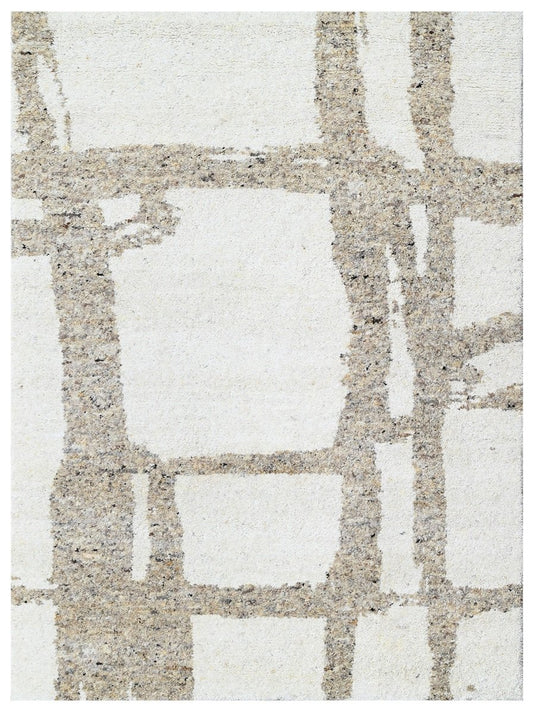
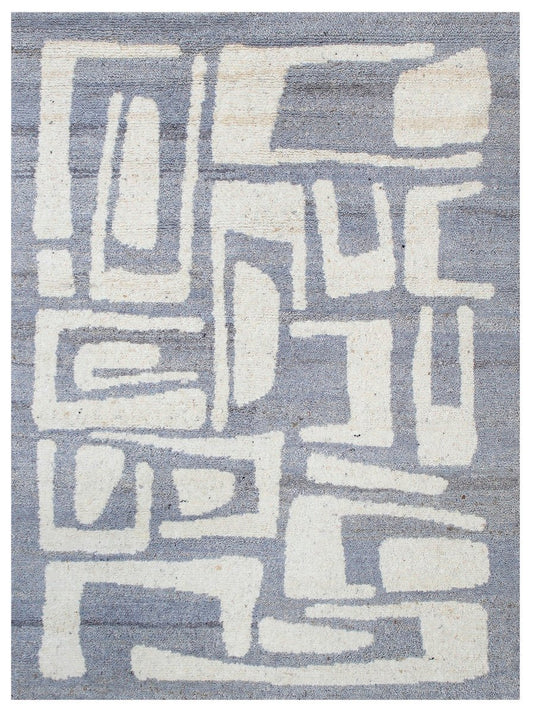
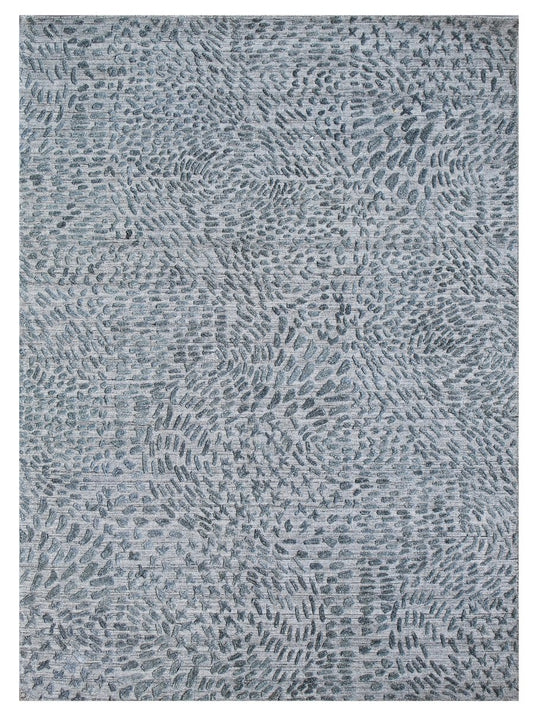
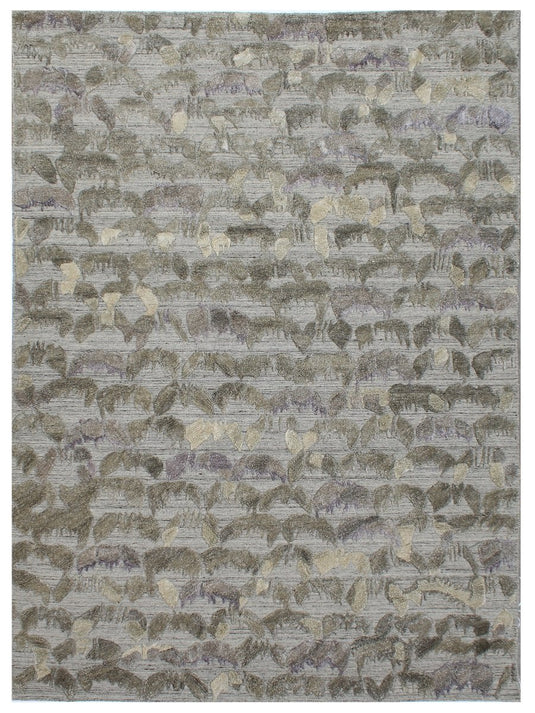
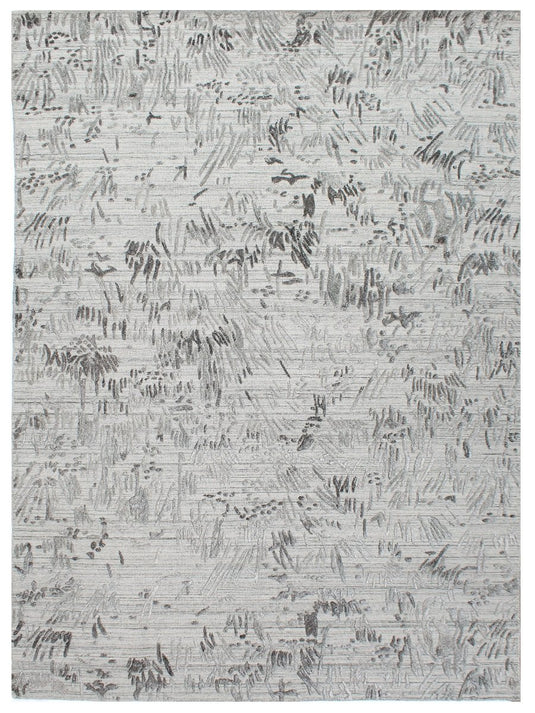
Abstract textured rugs combine irregular forms, organic lines, and varying pile heights to create surfaces that feel artistic without being decorative in a traditional sense. They bring movement and energy to neutral rooms, and pair well with statement furniture or architectural features.
Geometric Textured Rugs
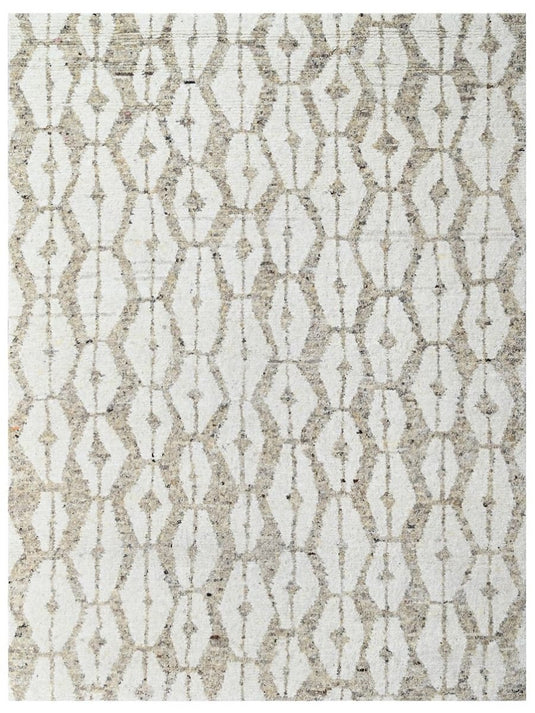
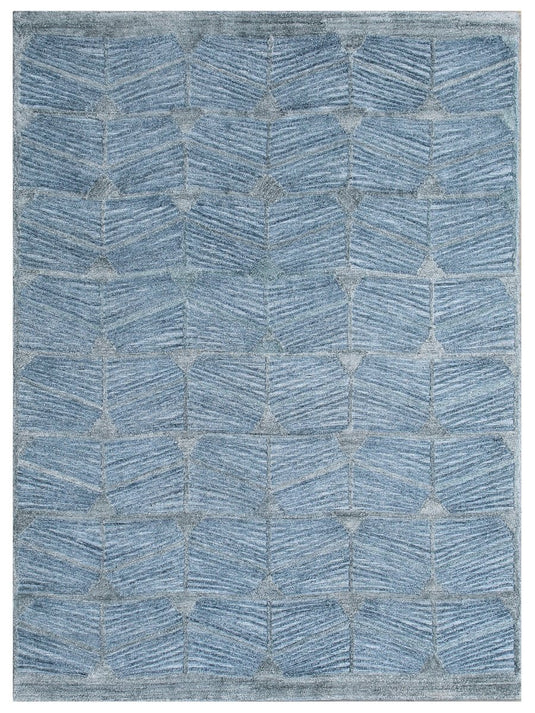
Geometric texture rugs use raised lines, grids, diamonds, and curves to create patterns that are as tactile as they are visual. The precision of a geometric design, rendered in carved or raised pile, brings structure and intention to any space it inhabits.
Textured Rugs for Living Rooms, Bedrooms, and Dining Spaces
The right textured rug for your home depends as much on where it will live as how it looks. Different rooms place different demands on a rug here is what to consider for each.
Textured Rugs for Living Rooms
In a living room, a textured area rug anchors the seating arrangement and adds visual depth to the room's center. A rug with a pronounced surface whether carved, raised, or woven becomes a quiet focal point that holds the space together without competing with furniture or artwork. Size matters here: a rug that reaches under the front legs of every sofa creates cohesion; one that floats in the center of the arrangement can make the room feel unanchored.
Textured Rugs for Bedrooms
Bedrooms call for softness and subtlety. A high-pile or gently woven textured rug placed beside the bed or partially beneath it adds warmth underfoot and introduces a layer of visual comfort. Muted tones and tonal textures work particularly well here, contributing to a sense of calm rather than stimulation.
Textured Rugs for Dining Rooms
Dining rooms require more practical thinking. A low-pile textured rug is generally the better choice here, as it allows chairs to move easily and is simpler to keep clean. Consider the full footprint of your table and chairs the rug should extend far enough that chair legs remain on it even when pulled out. Flat-woven and loop-texture rugs are especially well-suited to this space.
Textured Runner Rugs for Hallways
Hallways benefit from runners with woven, ribbed, or subtly raised textures designs that introduce surface interest without overwhelming a narrow space. A well-chosen runner brings continuity from one room to the next, tying your home's interior together across thresholds.
3D and Embossed Textured Carpet Designs
Some of our most distinctive rugs go beyond surface variation to create truly dimensional effects surfaces that appear to shift and change depending on the angle of light and the position of the viewer.
3D Textured Rugs
Three-dimensional rugs use differences in pile height, carving, or construction to create surfaces with genuine visual depth. When light falls across a 3D textured rug, shadows form in the recessed sections and highlights play across the raised ones producing an effect that is both dynamic and refined.
Embossed and Carved Rugs
Embossed and carved rugs are shaped by removing or compressing sections of pile to create raised and recessed details. The result is a surface with the precision of a relief pattern and the warmth of a textile. These rugs bring a sculptural quality to interiors that few other furnishings can achieve.
Ribbed and Linear Textured Rugs
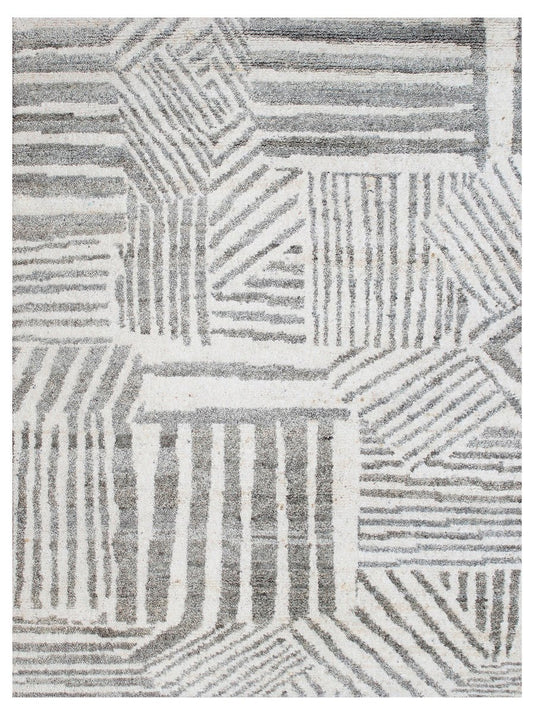
Ribbed rugs feature parallel lines, ridges, or channels running across the surface. The result is a clean, directional texture that suits both contemporary and transitional interiors. These rugs tend to work well in larger spaces where a strong surface treatment can be appreciated across the room.
Woven and Loop-Texture Rugs
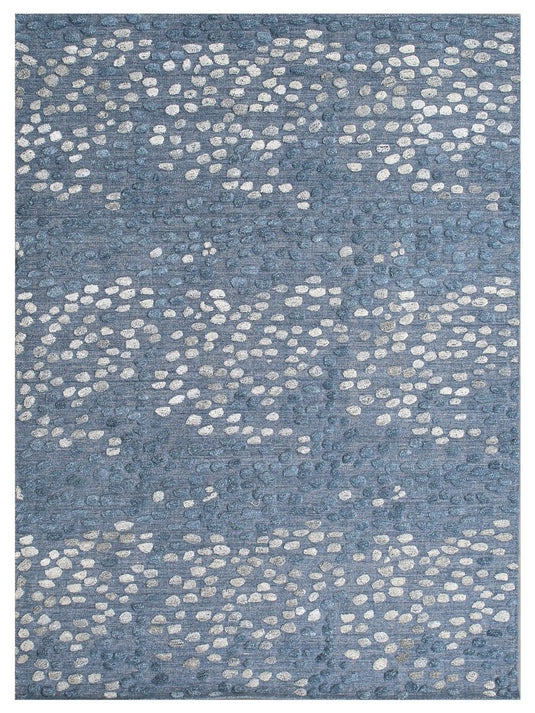
Hand-woven and loop constructed rugs create tactile surfaces through the structure of the textile itself rather than through carving or pile variation. The resulting texture has an organic, handcrafted quality that reflects the skill of the artisan who made it each one subtly different from the next.
Neutral and Colorful Textured Rugs and Carpets
Color and texture are never entirely separate. The surface of a rug changes how its color reads a deep pile absorbs light and makes a color feel richer; a low, tight surface reflects light and makes the same color appear brighter. Here is how our collection breaks down by tone.
Beige and Cream Textured Rugs
Beige and cream textured rugs are the workhorses of the neutral palette quietly grounding a space while letting the surface itself provide the interest. These rugs layer beautifully with natural wood tones, terracotta, linen, and stone, and adapt easily as the rest of a room evolves.
Grey Textured Rugs
Grey is one of the most versatile tones in a contemporary interior. A grey textured rug brings a modern sensibility to a space without closing off other color choices it reads equally well with warm tones, cool tones, and monochrome palettes.
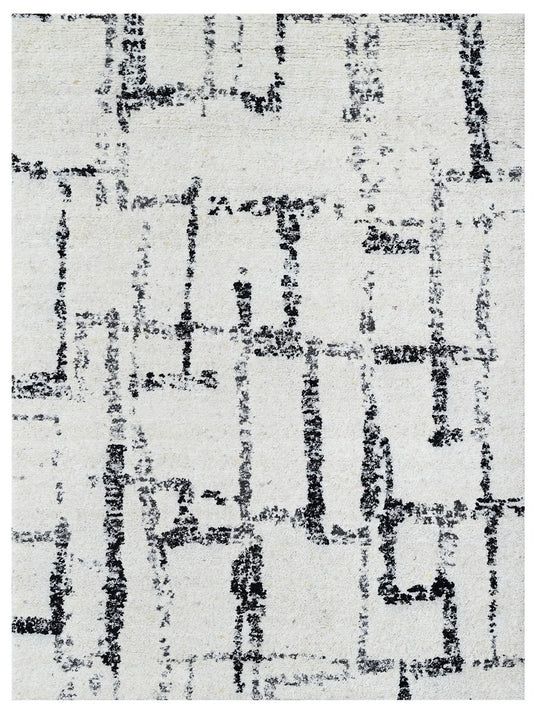
Black and White Textured Rugs
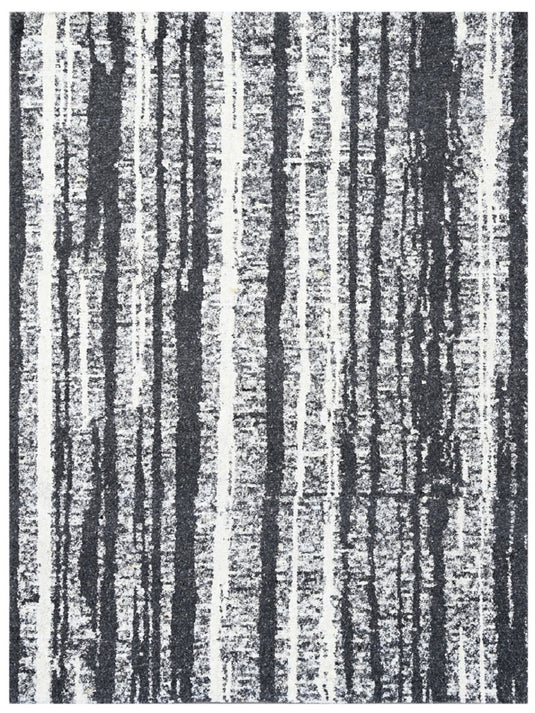
Monochrome rugs that combine contrast with dimensional surface patterns carry a great deal of visual energy. In the right space, a black and white textured rug functions almost like a piece of floor sculpture strong enough to anchor the room without relying on color to do it.
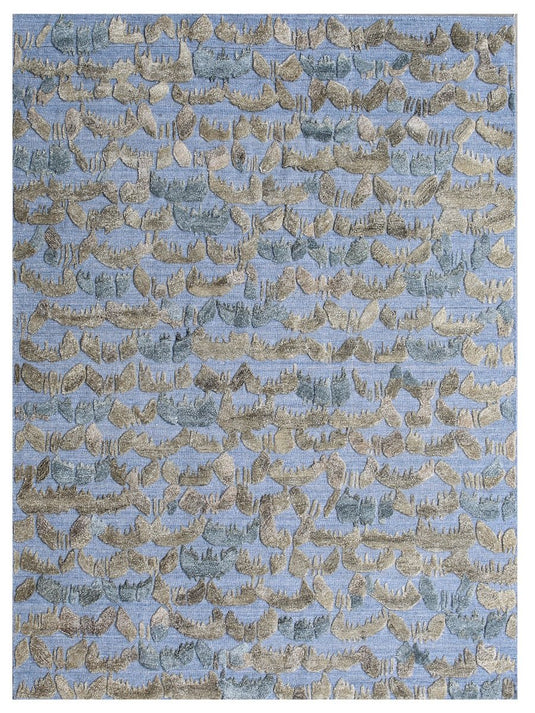
Colorful Textured Area Rugs
For interiors that can carry a bolder statement, our colorful textured area rugs offer richness of both tone and surface. Whether you are drawn to earthy ochres, deep teals, or layered multicolor designs, texture amplifies the impact of color in ways that a flat-woven rug simply cannot.
Textured Rugs in Wool, Synthetic, and Natural Fibers
The fiber a rug is made from determines not only its surface quality but its warmth, resilience, and long-term behavior. Each material produces a distinct kind of texture.
Wool Textured Rugs
Wool is a natural choice for textured rugs. Its fibers have an inherent crimp and softness that creates a warm, tactile surface even before construction techniques add further dimension. Wool holds dye beautifully, resists flattening under foot traffic, and develops a gentle patina over time. It is the material at the heart of Bhadohi's hand-knotted carpet tradition and the one our artisans know most deeply.
Synthetic Textured Rugs
Synthetic fibers including polyester, polypropylene, and viscose offer excellent color consistency, durability, and affordability. Depending on the specific fiber and construction used, synthetic textured rugs can achieve surfaces that range from soft and plush to crisp and graphic. They are generally easier to clean than natural fiber rugs and perform well in higher-traffic areas.
Cotton Textured Rugs
Cotton lends itself to flat-woven and lightly textured constructions. Its surface tends to be clean and matte, with texture emerging through weaving patterns stripes, ribs, and woven reliefs rather than pile. Cotton rugs are lightweight, easy to care for, and work particularly well in casual interiors.
Natural Fiber Textured Rugs
Jute, sisal, and similar natural fibers have a coarser, more pronounced surface texture by nature. Their organic appearance suits relaxed, earthy interiors and their material honesty aligns naturally with the values of considered, sustainable home design.
Handmade and Machine-Made Textured Rugs
How a rug is made shapes everything about it the consistency of its surface, the depth of its texture, and the story it carries into your home.
Hand-Tufted Textured Rugs
In hand-tufting, loops of yarn are pushed through a backing canvas using a handheld tool, then cut or left looped to create the pile. Varying the pile height across a single rug produces raised patterns and textured effects that are genuinely artisan in character. Our hand-tufted rugs are made by craftspeople who have spent years developing their feel for the material.
Handwoven Textured Rugs
Handwoven rugs are built entirely on the loom, with texture emerging from the structure of the weave itself. Each pass of the shuttle and each knot tied by hand contributes to a surface that no machine can replicate precisely. These are rugs made slowly, with accumulated skill and they show it.
Machine-Made Textured Rugs
Modern weaving technology can produce consistent surface patterns and carefully controlled texture effects at scale. Machine-made textured rugs offer reliable quality, predictable sizing, and accessible price points a good option for those who want the look of a textured rug with a more straightforward buying experience.
How to Choose the Perfect Textured Rug for Your Space
Choosing a textured rug is a more layered decision than it might appear. Here is a practical guide to help you find the right one.
Consider Pile Height and Texture
High-pile rugs bring softness and warmth but may not suit every room. Low-pile rugs are more practical in high-traffic or dining spaces. Mixed-pile and dimensional designs suit spaces where the rug will be a visual feature rather than a purely functional one. Think about how the room is used before choosing pile depth.
Choose the Right Rug Size
As a general rule: in a living room, all front legs of the main seating pieces should sit on the rug. In a bedroom, the rug should extend at least 60 cm beyond either side of the bed. In a dining room, measure the full footprint of table and chairs (when pulled out) and add a minimum of 60 cm on all sides. In a hallway, a runner should leave a consistent border of flooring visible on both sides.
Select a Texture That Complements Your Décor
In a minimalist interior, subtle texture a soft loop weave, a tonal carved grid adds dimension without disrupting the calm. In a more eclectic or layered interior, a pronounced 3D or embossed design can serve as a genuine focal point. Match the intensity of the texture to the visual weight of the rest of the room.
Find the Right Color
Consider your flooring first a rug that closely matches the floor can disappear; one with clear contrast will stand out. Then consider your furniture and walls. Neutral rugs offer flexibility as the room evolves. A colored or patterned rug commits more strongly to a particular aesthetic, but can also be the element around which the rest of a room's palette is built.
Consider Cleaning and Maintenance
Care requirements vary significantly across fiber types, pile heights, and construction methods. High pile and wool rugs generally require more careful maintenance than low-pile synthetics. Natural fiber rugs may be sensitive to moisture. Always refer to the individual care instructions provided with your rug, and consider the cleaning demands of a room before selecting a material.
Shop Textured Rugs and Carpets by Size, Color, and Style
Whether you are starting from scratch or looking for one piece to complete a room, our full collection of textured rugs and carpets is organized to help you find exactly what you need.
Browse by category:
Traditional Rugs | Modern Rugs | Transitional Rugs | Geometric Rugs | Erased Rugs | Tribal Rugs | Floral Rugs | Minimal Rugs | Vintage Rugs | Textured Rugs | Solid Rugs | Luxury Rugs | Rug By Weave | Flat Weave Rugs | Hand knotted Rugs | Handloom Rugs | Hand Tufted Rugs | Blue Rugs | Brown Rugs | Ivory Rugs | Grey Rugs | Black Rugs | Red Rugs | Pink Rugs | Green Rugs | Beige and Tans Rugs | Multi Color Rugs | Yellow Rugs | Small Size Rugs | Medium Size Rugs | Large Size Rugs | Oversized Rugs | Runners Rugs | Round Rugs & Carpet | Wool Rugs | Bamboo Silk Rugs | Wool & Bamboo Silk carpet | Jute Rugs & Carpet | Wool & Silk Rugs | Bedroom Rugs | Living Room Rugs | Dining Room Rugs | Kids Room Rugs | Outdoor Rugs | Indoor Rugs