Carpet beetles are among the most frustrating household pests. Unlike many insects that are easy to spot, carpet beetles often go unnoticed until they have already damaged carpets, rugs, clothing, upholstery, and other natural fiber materials. Many homeowners try DIY solutions only to find the infestation returning a few weeks or months later.
If you're wondering how to get rid of carpet beetles for good, the key is understanding their life cycle, identifying the source of the infestation, and implementing a comprehensive treatment plan rather than relying on temporary fixes.
In this guide, The Ambiente explains everything you need to know about carpet beetles, why they keep coming back, and the most effective ways to eliminate them permanently.
What Are Carpet Beetles?
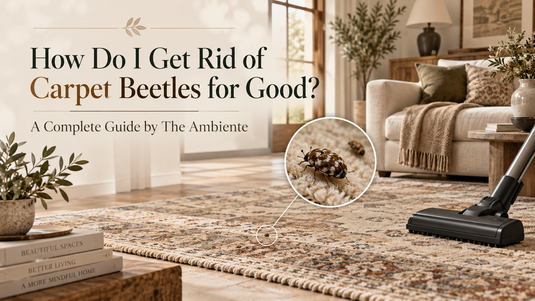
Carpet beetles are small insects that belong to the Dermestidae family. Adult beetles are typically oval-shaped and measure between 2–5 mm in length. Depending on the species, they may appear black, brown, white, yellow, or mottled with various colors.
While adult carpet beetles are relatively harmless, their larvae are the real problem. Carpet beetle larvae feed on natural fibers and organic materials, causing significant damage to household items.
Common materials carpet beetle larvae feed on include:
- Wool carpets and rugs
- Silk fabrics
- Cotton textiles
- Fur and leather items
- Upholstered furniture
- Blankets and bedding
- Pet hair and feathers
- Stored clothing
- Taxidermy and natural decorative items
Because larvae often hide in dark, undisturbed areas, infestations can grow before homeowners notice any signs.
Signs You Have a Carpet Beetle Infestation
Early detection is crucial for successful carpet beetle control. Watch for these common warning signs:
1. Damage to Fabrics and Carpets
Small irregular holes in clothing, rugs, curtains, or upholstery may indicate carpet beetle activity. Unlike moth damage, carpet beetle feeding patterns are often scattered and uneven.
2. Shed Larval Skins
As larvae grow, they shed their skin several times. Finding small, brown, hairy shed skins near carpets, closets, or furniture is a strong indication of infestation.
3. Adult Beetles Near Windows
Adult carpet beetles are attracted to sunlight and are often found on window sills, near light fixtures, or around doors.
4. Hairy Larvae
Carpet beetle larvae are typically brown, oval-shaped, and covered in tiny hairs. Spotting these larvae in closets, storage areas, or beneath furniture usually means active breeding is occurring.
5. Damage in Hidden Areas
Infestations often begin beneath furniture, inside air vents, under rugs, behind baseboards, or in storage boxes.
Why Carpet Beetles Keep Coming Back
Many homeowners successfully kill visible beetles but fail to eliminate the root cause of the infestation.
Common reasons carpet beetles return include:
- Eggs left behind after treatment
- Hidden larvae in inaccessible areas
- Untreated closets and storage spaces
- Pet hair accumulation
- Bird nests near windows or attics
- Forgotten wool or fabric items in storage
- Inadequate cleaning practices
To get rid of carpet beetles permanently, every stage of their life cycle must be addressed.
Step 1: Conduct a Thorough Inspection
Before treatment begins, identify where carpet beetles are living and breeding.
Inspect:
- Carpets and rugs
- Closets
- Upholstered furniture
- Under beds
- Behind furniture
- Attics
- Air vents
- Storage boxes
- Pet bedding
- Window sills
Pay special attention to areas that are rarely disturbed.
Finding the infestation source significantly improves treatment success.
Step 2: Deep Vacuum Every Affected Area
Vacuuming is one of the most effective non-chemical methods for removing carpet beetles.
Focus on:
- Carpet edges
- Baseboards
- Under furniture
- Upholstery seams
- Closet corners
- Air vents
- Staircases
Use attachments to reach cracks and crevices where larvae hide.
After vacuuming:
- Immediately seal the vacuum contents
- Dispose of the bag outdoors
- Clean the vacuum container thoroughly
Repeat vacuuming several times per week during treatment.
Step 3: Wash and Heat-Treat Fabrics
Carpet beetle larvae cannot survive high temperatures.
Wash all washable items including:
- Clothing
- Curtains
- Blankets
- Bedding
- Cushion covers
- Pet bedding
Use hot water whenever fabric care instructions allow.
For delicate fabrics:
- Dry clean professionally
- Use a high-temperature dryer cycle
- Consider freezing items for several days if heat treatment is not suitable
This step helps eliminate larvae and eggs hiding within fabrics.
Step 4: Remove Food Sources
Carpet beetles thrive when they have access to organic materials.
Reduce their food supply by:
- Removing lint buildup
- Cleaning pet hair regularly
- Storing wool garments in sealed containers
- Keeping closets organized
- Eliminating dust accumulation
- Cleaning beneath furniture frequently
Even small amounts of pet fur or fabric fibers can sustain a developing infestation.
Step 5: Treat Cracks, Crevices, and Hidden Spaces
Many carpet beetle larvae hide where regular cleaning cannot reach.
Areas requiring special attention include:
- Baseboard gaps
- Floor cracks
- Wall voids
- Closet corners
- Storage rooms
- Attic spaces
Targeting hidden areas prevents surviving larvae from restarting the infestation cycle.
Step 6: Inspect Outdoor Sources
Many carpet beetle infestations originate outside the home.
Check for:
- Bird nests
- Rodent nests
- Dead insects
- Animal remains
- Outdoor storage materials
Adult carpet beetles can enter through:
- Open windows
- Door gaps
- Ventilation systems
- Damaged screens
Removing outdoor breeding sources is often essential for long-term control.
Step 7: Store Vulnerable Items Properly
Proper storage plays a major role in preventing future infestations.
Store valuable textiles in:
- Airtight containers
- Vacuum-sealed bags
- Sealed plastic bins
Before storing:
- Wash items thoroughly
- Ensure fabrics are completely dry
- Inspect for existing damage
Seasonal clothing and specialty fabrics are particularly vulnerable if stored improperly.
Natural Remedies for Carpet Beetles
Many homeowners prefer natural solutions before using chemical treatments.
Popular options include:
White Vinegar
Vinegar can help clean surfaces and remove odor trails that may attract pests.
Use diluted vinegar to wipe:
- Shelves
- Drawers
- Closets
- Baseboards
Essential Oils
Certain essential oils may help repel carpet beetles temporarily.
Common choices include:
- Cedarwood oil
- Lavender oil
- Peppermint oil
- Eucalyptus oil
While useful as deterrents, essential oils alone rarely eliminate active infestations.
Diatomaceous Earth
Food-grade diatomaceous earth can be applied in cracks and crevices.
The fine powder damages insect exoskeletons, leading to dehydration.
Apply carefully and follow safety recommendations for indoor use.
When Professional Treatment Is Necessary
Large infestations often require professional pest management.
Professional services may be appropriate if:
- Infestations continue despite cleaning
- Damage is spreading
- Multiple rooms are affected
- Larvae keep reappearing
- Sensitive fabrics are at risk
Experienced pest control specialists can identify hidden breeding locations and apply targeted treatments that homeowners may miss.
How Long Does It Take to Eliminate Carpet Beetles?
The timeline depends on infestation severity.
Typical estimates include:
- Light infestations: 2–4 weeks
- Moderate infestations: 1–2 months
- Severe infestations: Several months
Because eggs can hatch after treatment, ongoing monitoring is essential.
Consistency is often the difference between temporary relief and permanent eradication.
How to Prevent Carpet Beetles from Returning
Once the infestation is gone, prevention becomes the priority.
Follow these best practices:
Vacuum Regularly
Weekly vacuuming removes potential food sources and helps detect new activity early.
Inspect Natural Fiber Products
Check wool rugs, blankets, and clothing periodically for signs of damage.
Keep Storage Areas Clean
Closets, attics, and storage rooms should remain organized and dust-free.
Maintain Window Screens
Repair damaged screens to prevent adult beetles from entering.
Reduce Clutter
Less clutter means fewer hiding places for larvae.
Monitor Seasonal Items
Inspect stored garments before returning them to use.
How to Keep Carpet Beetles Away for Good
Getting rid of carpet beetles for good requires more than simply killing the insects you can see. Successful elimination involves identifying breeding areas, removing food sources, treating hidden spaces, and maintaining consistent cleaning practices.
The most effective strategy combines deep cleaning, fabric treatment, proper storage, and ongoing monitoring. By addressing every stage of the carpet beetle life cycle, homeowners can prevent recurring infestations and protect valuable carpets, furniture, clothing, and household textiles.
At The Ambiente, we believe a clean, healthy, and pest-free home starts with informed prevention and proactive care. Whether you're dealing with a current infestation or looking to safeguard your living spaces, taking a comprehensive approach is the key to keeping carpet beetles away for good.