


Est. 1994 · Bhadohi, Uttar Pradesh
Handwoven Legacies of Bhadohi, reimagined for the modern interior.
Three decades of manufacturing mastery. Bespoke hand-knotted, hand-tufted and handloom rugs, made by 4,000+ women artisans and trusted by designers, hotels and luxury homes in over 100 cities worldwide.
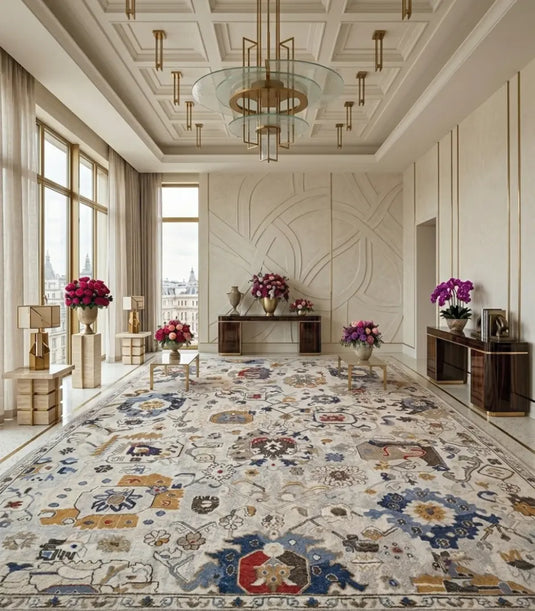
Rug By Weave
Why The Ambiente
The distinction of a direct Bhadohi manufacturer.
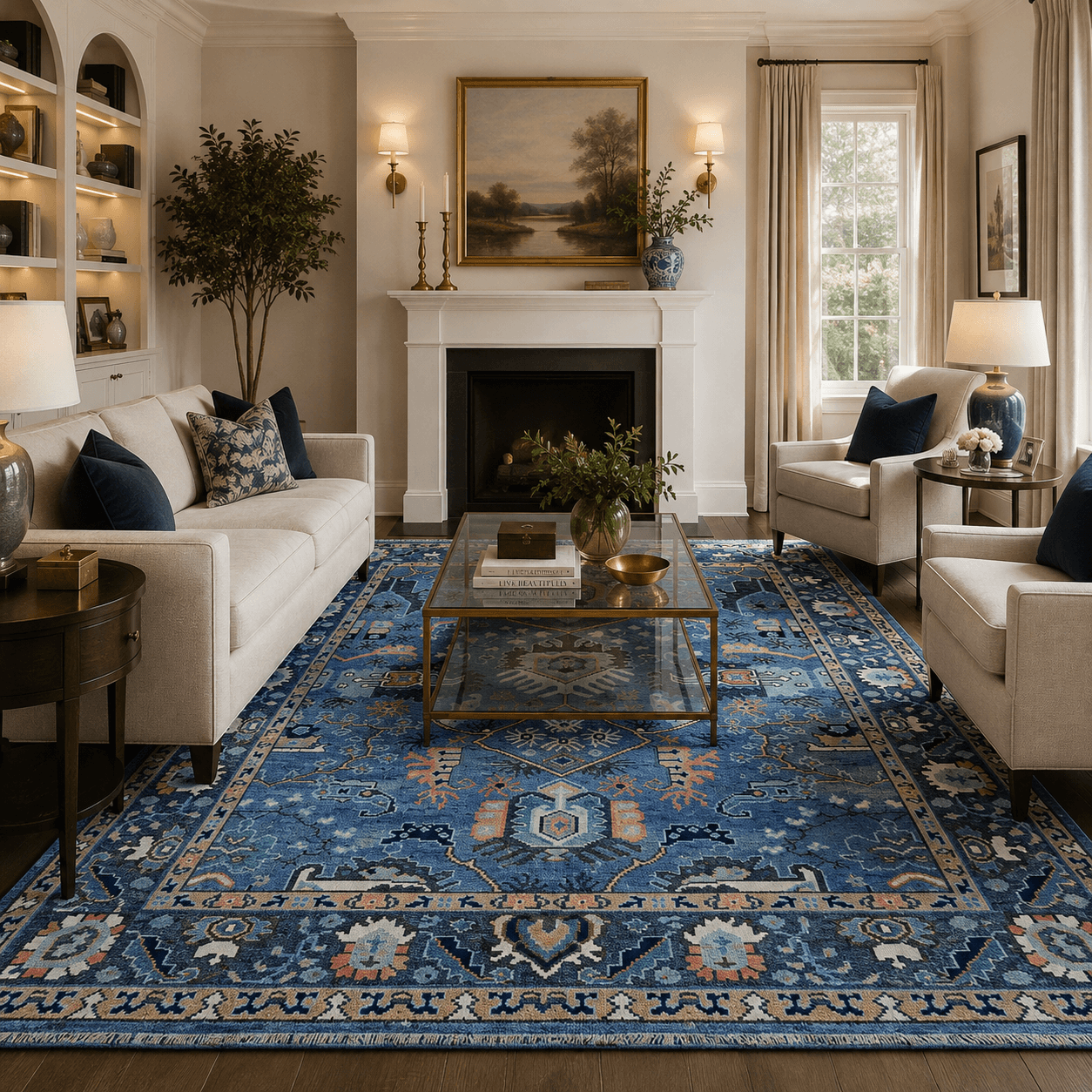
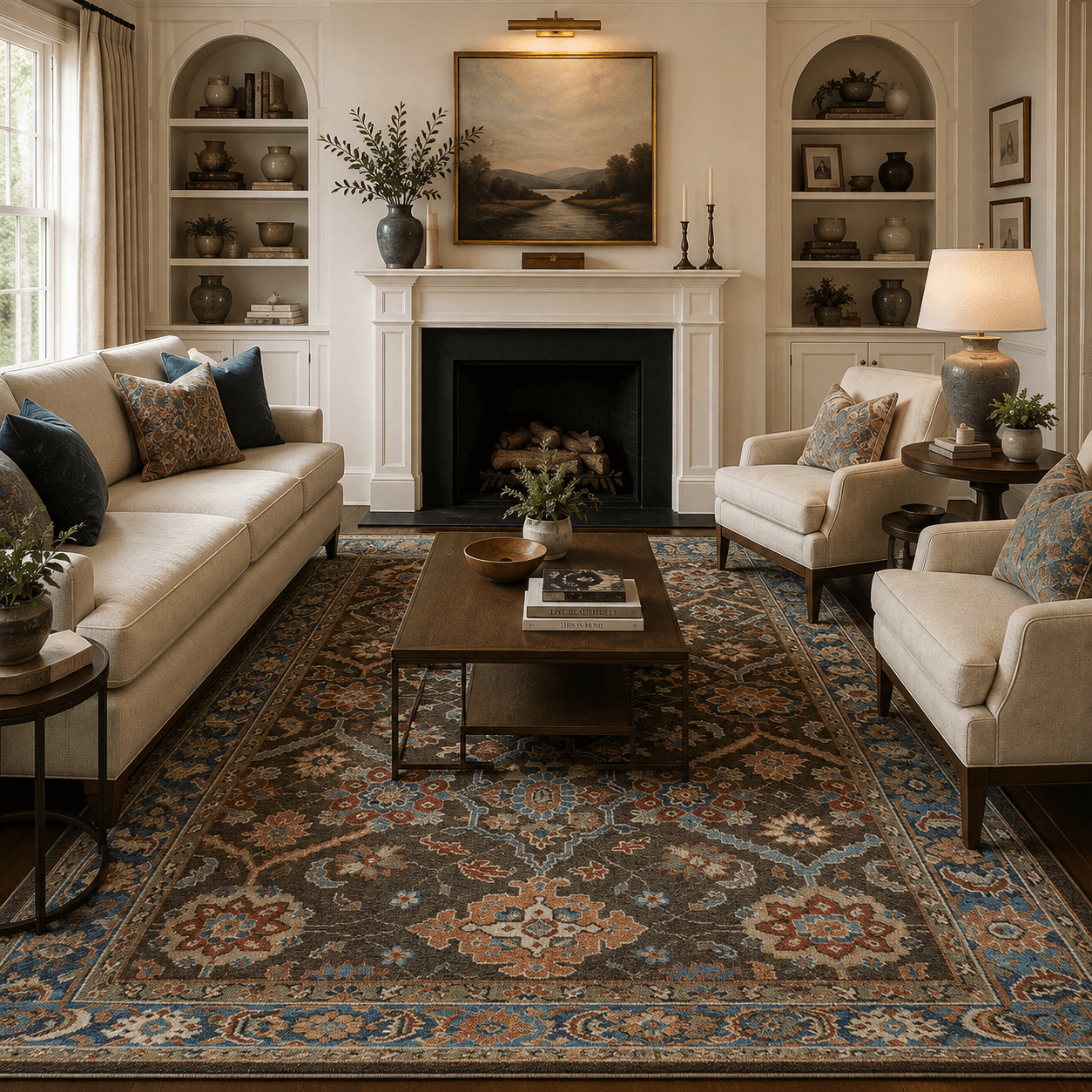
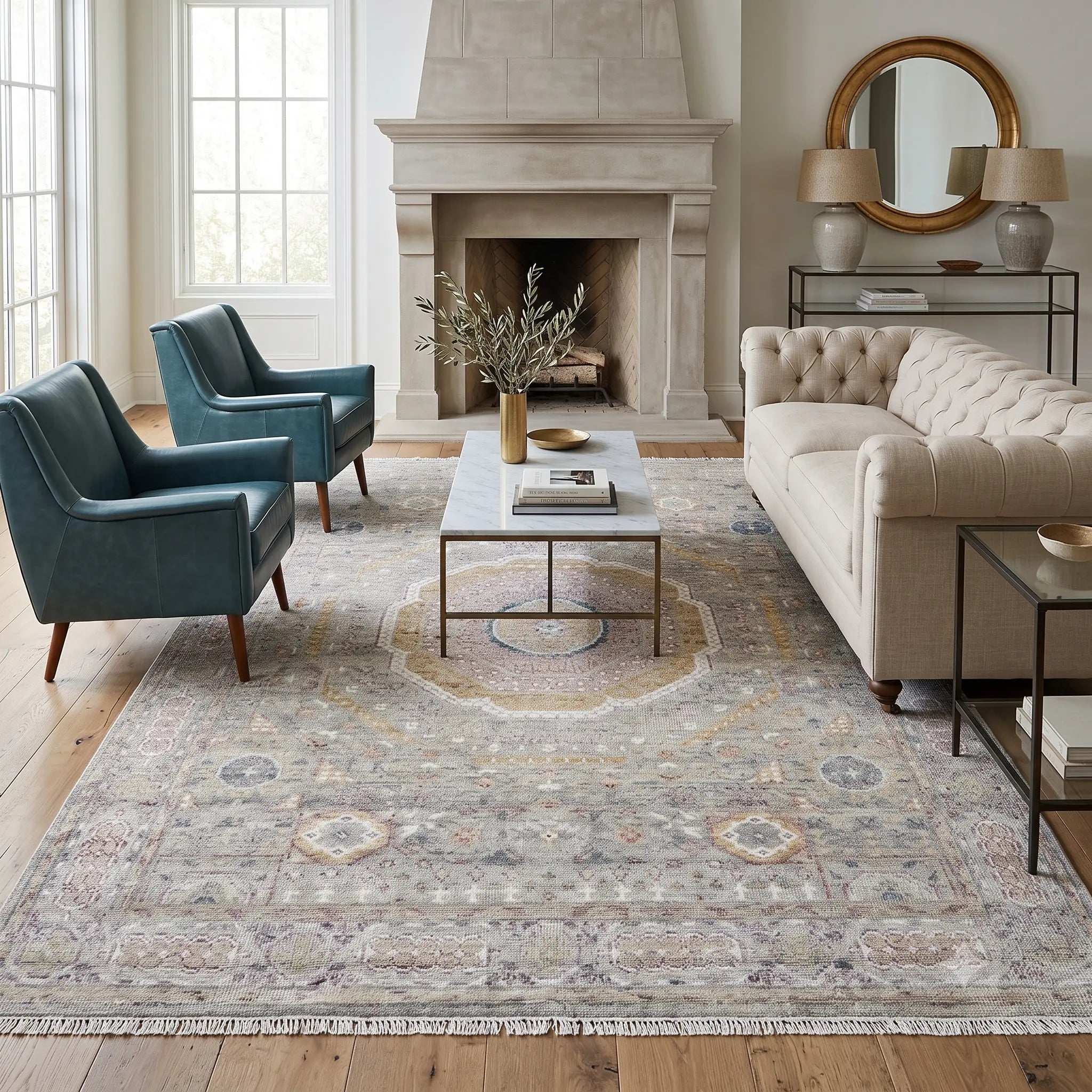

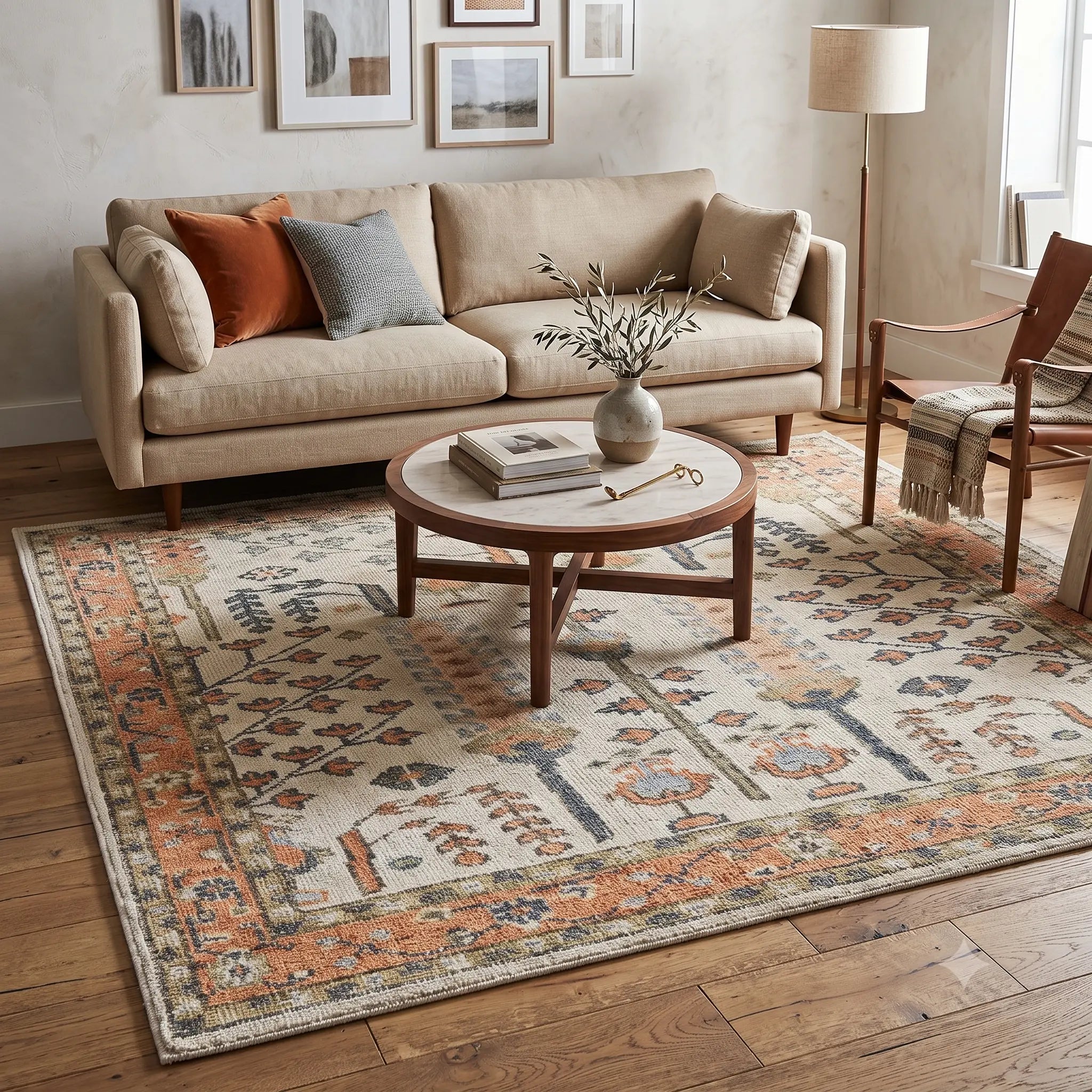
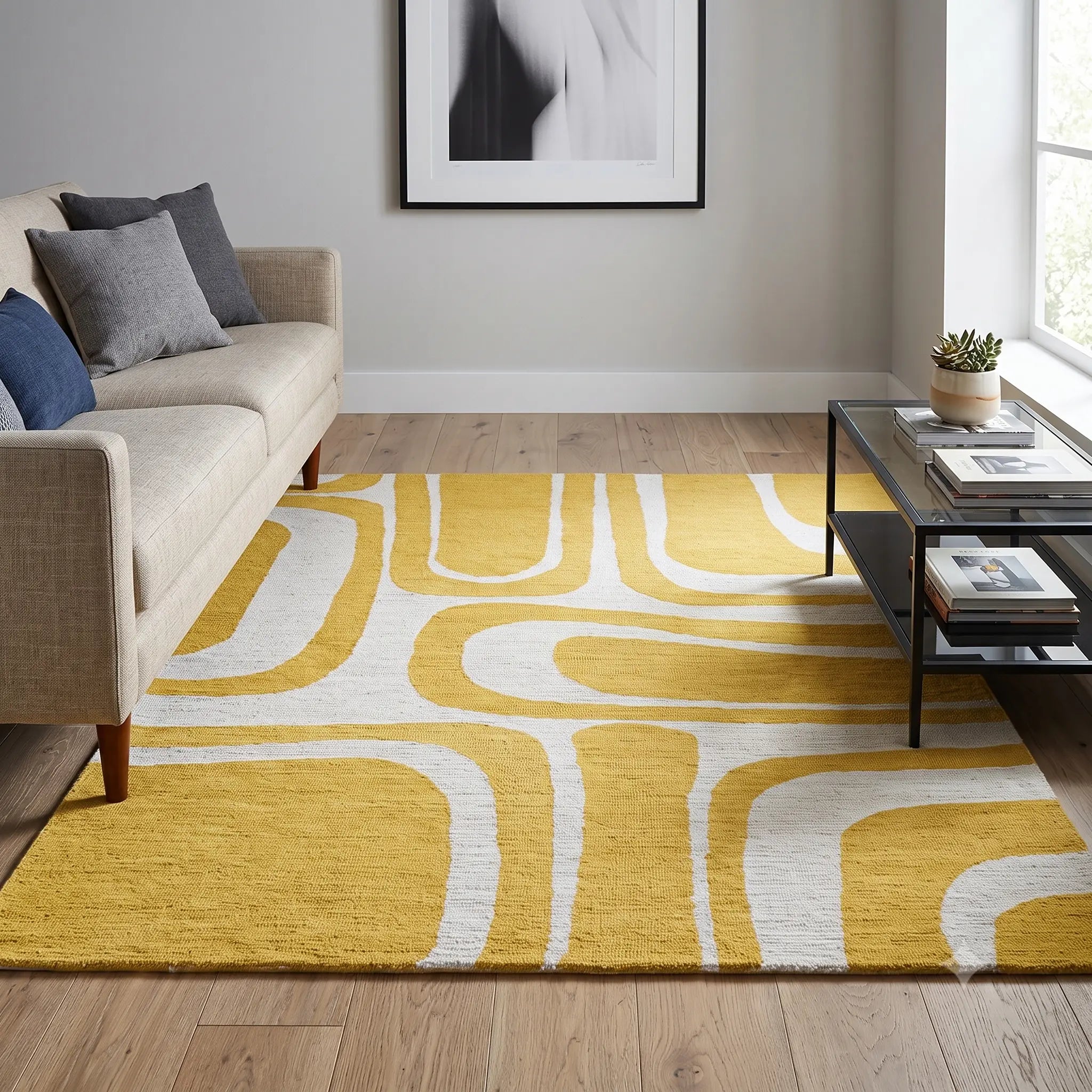
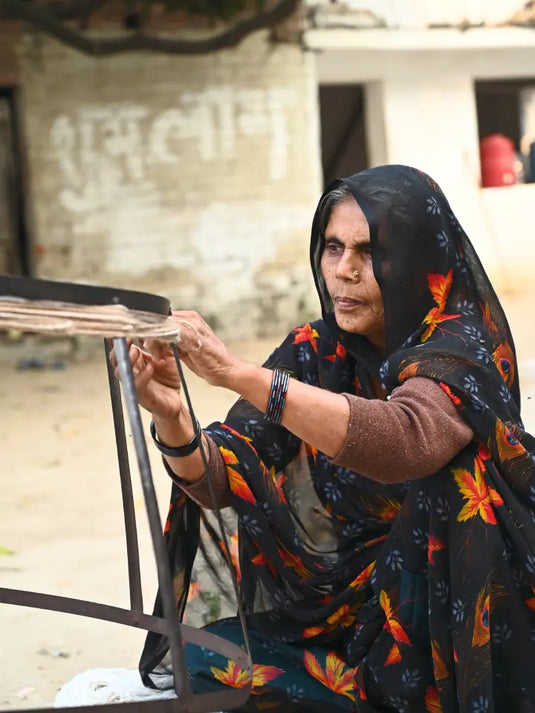
The Craft
From raw fibre to finished heirloom.
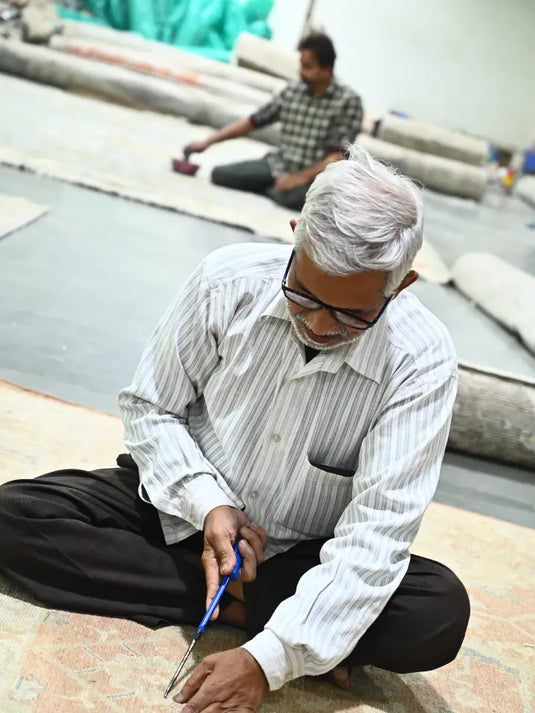
Every Ambiente rug is the outcome of a slow, deliberate process. Master weavers translate designer drawings into knots, our finishers stretch and hand-shear each piece, and a twelve-stage quality inspection ensures every rug leaves Bhadohi ready for the world's finest interiors.
- Material Selection
Sustainably sourced wool, mulberry silk and bamboo silk, batch-dyed for lustre.
- Design Studio
In-house designers translate your brief into looming drafts and colour maps.
- The Weave
Master artisans knot or tuft each rug by hand across weeks or months.
- Finishing & QC
Herbal wash, hand shear, stretching and a rigorous six-stage inspection.
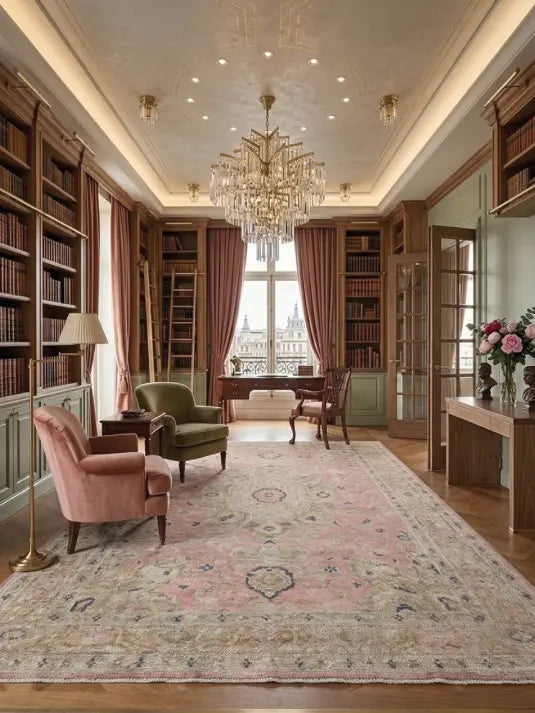
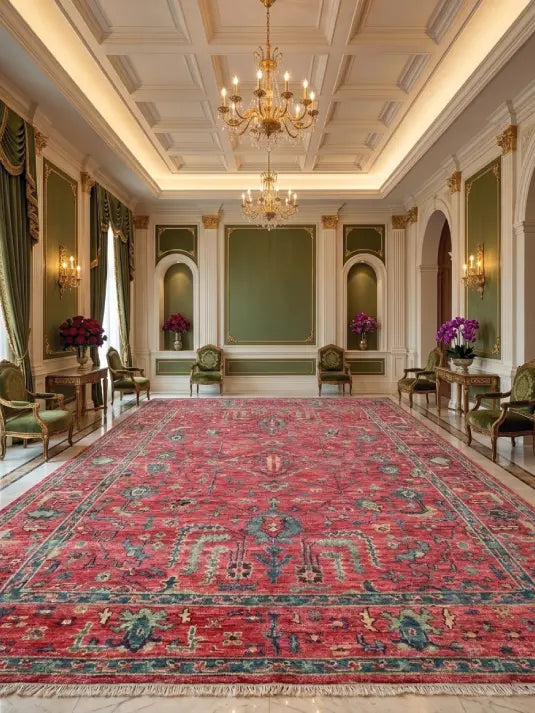
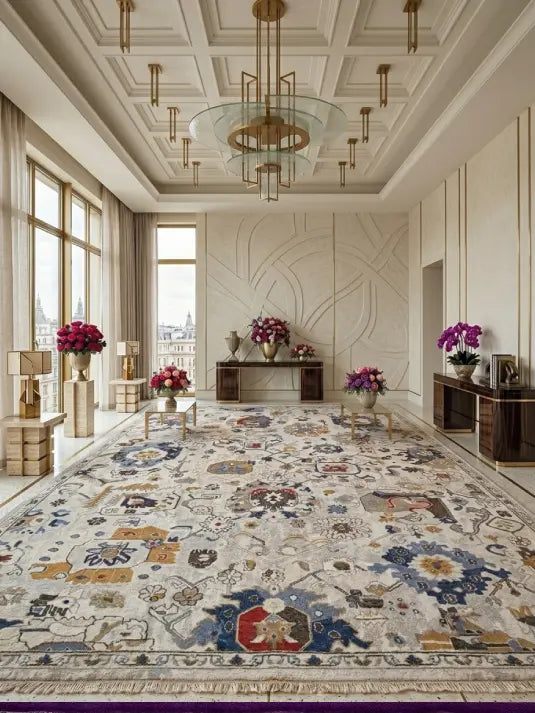
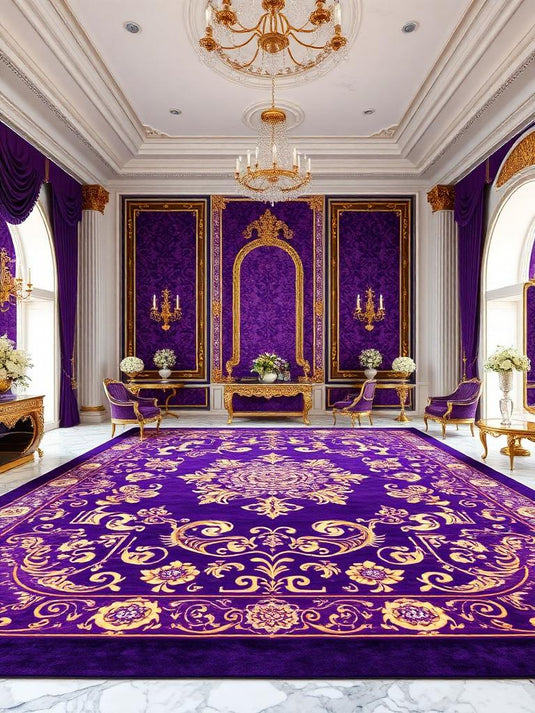
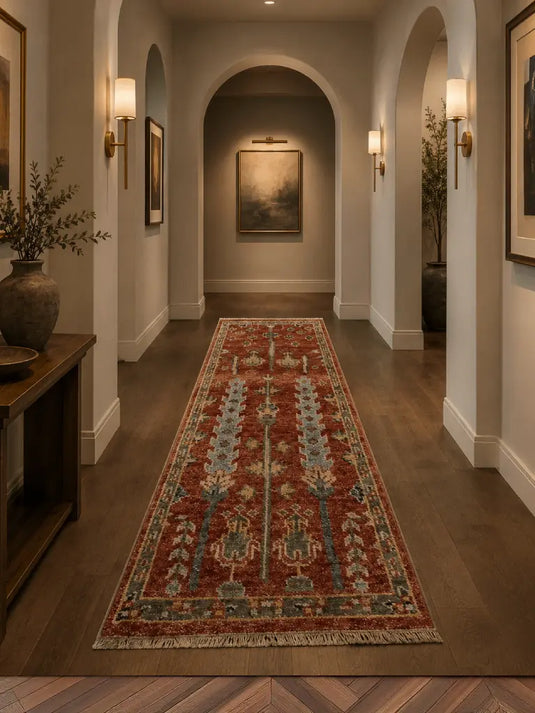
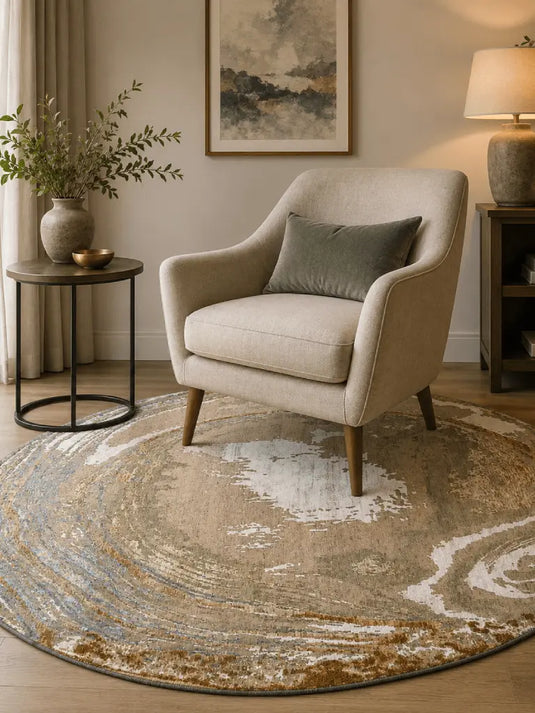
Manufacturing Excellence
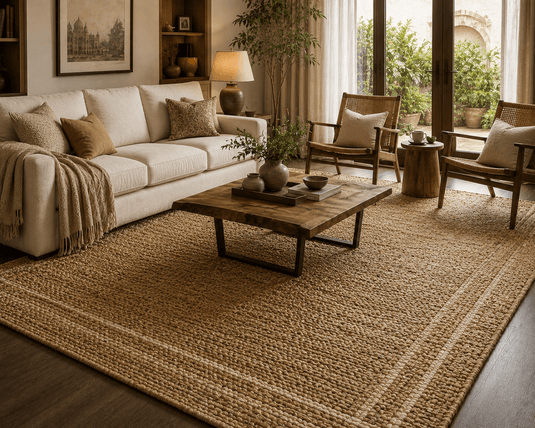
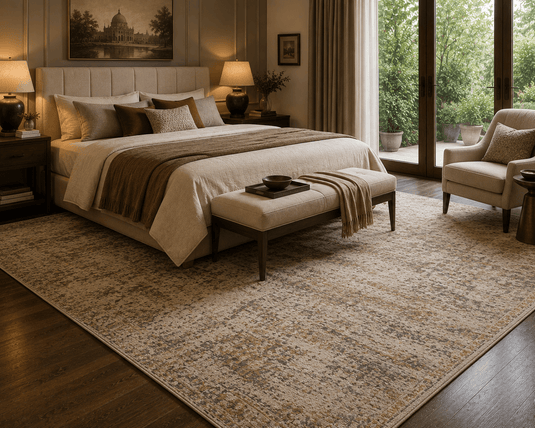
A factory that behaves like an atelier.
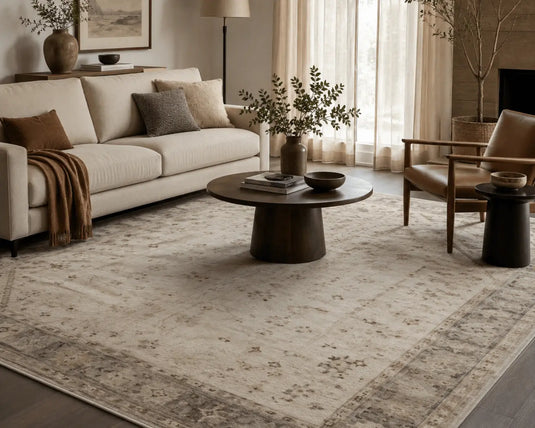
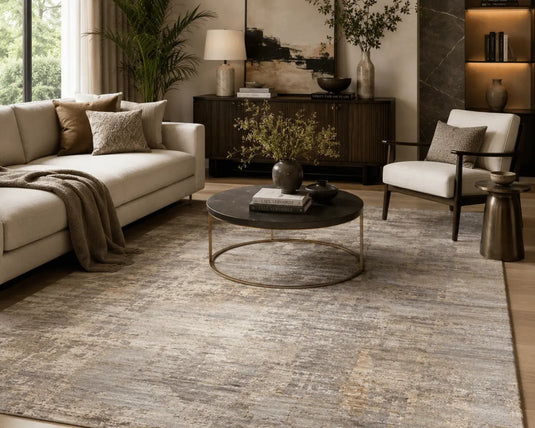
Interior Project Solutions
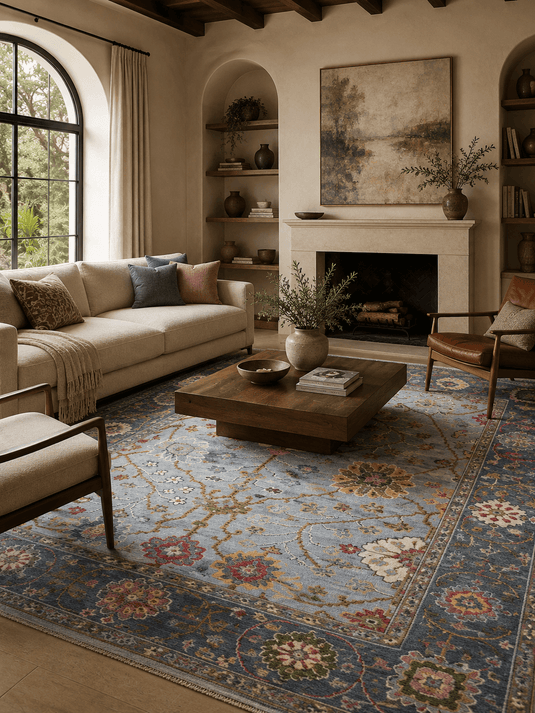
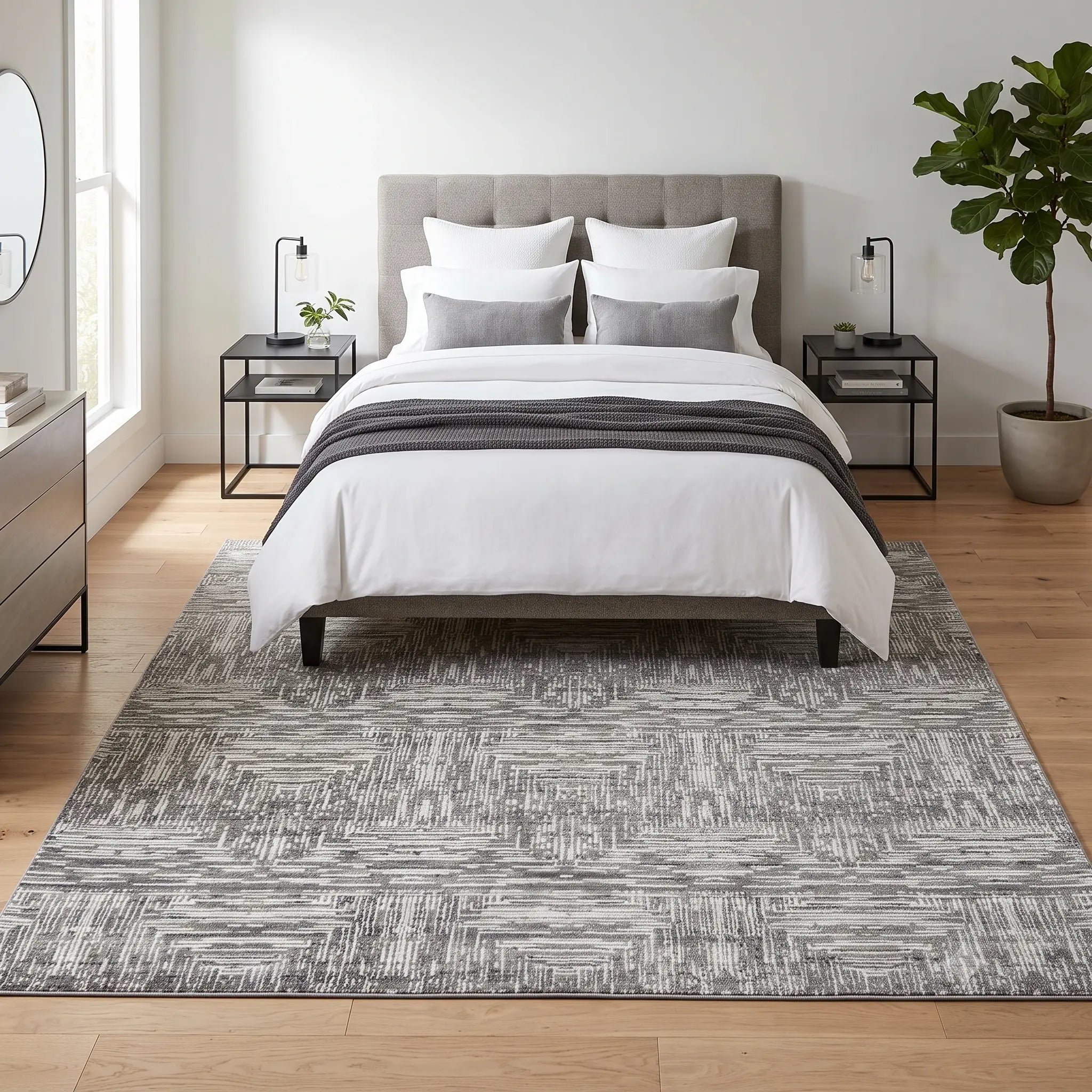
Rugs for the world's most ambitious interiors.
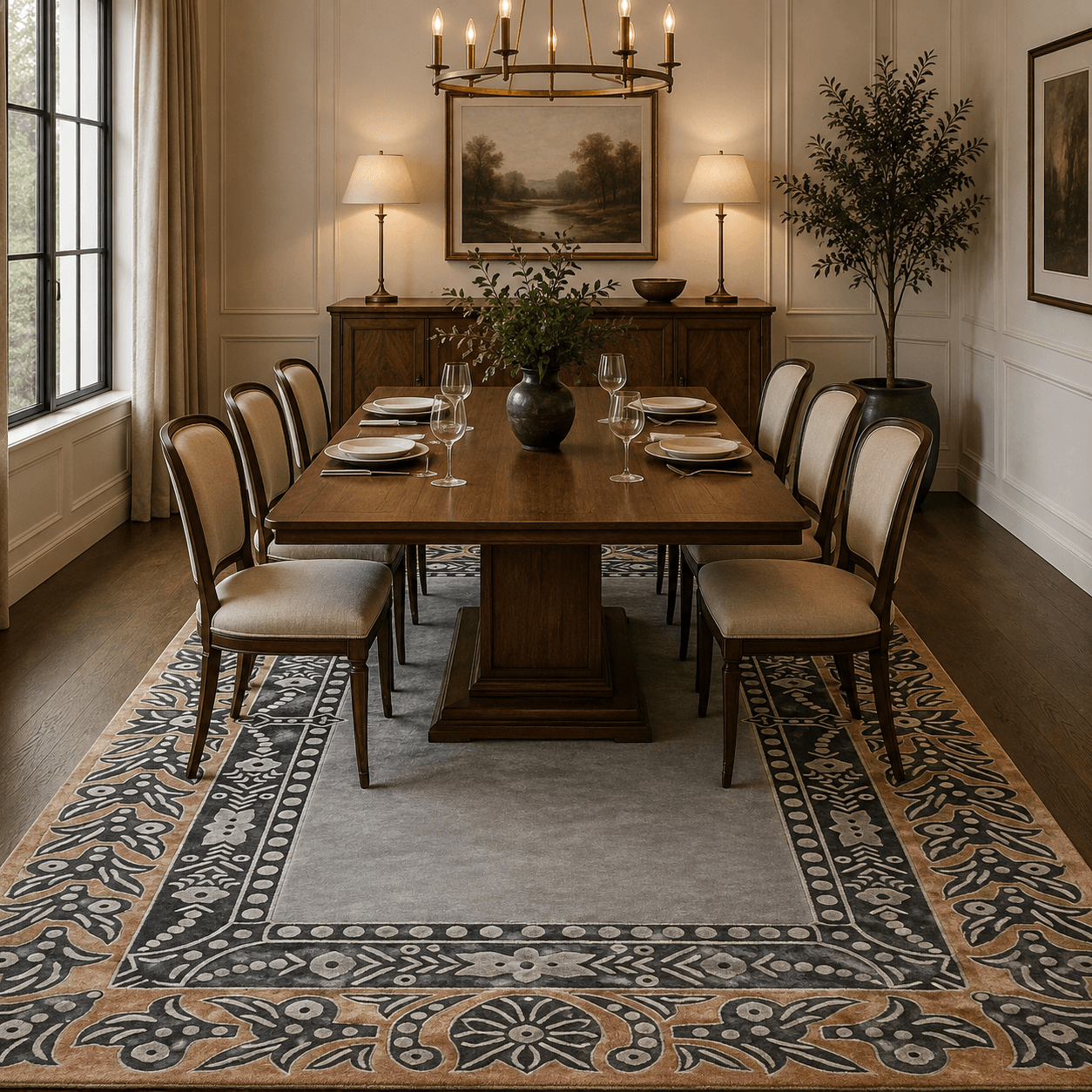
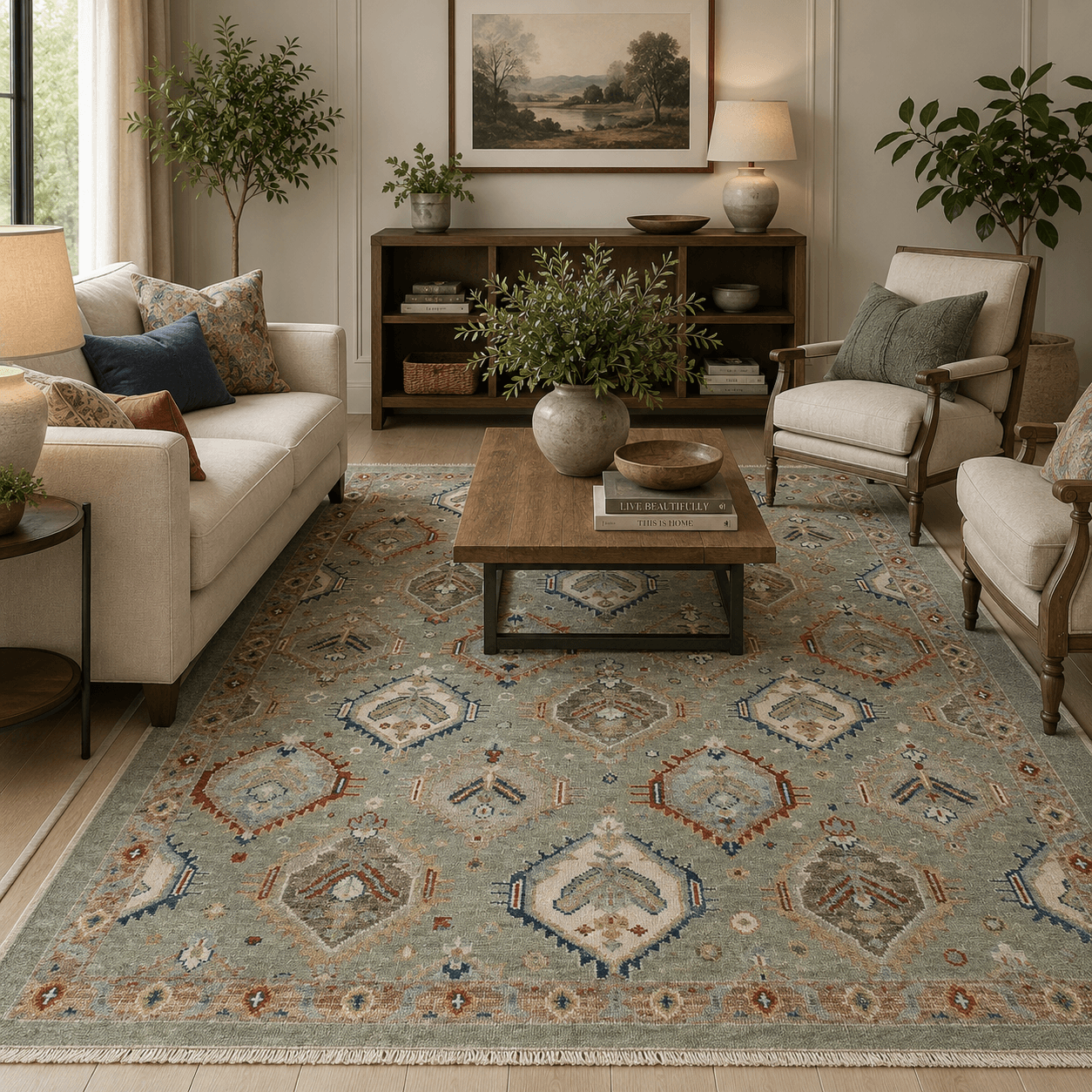
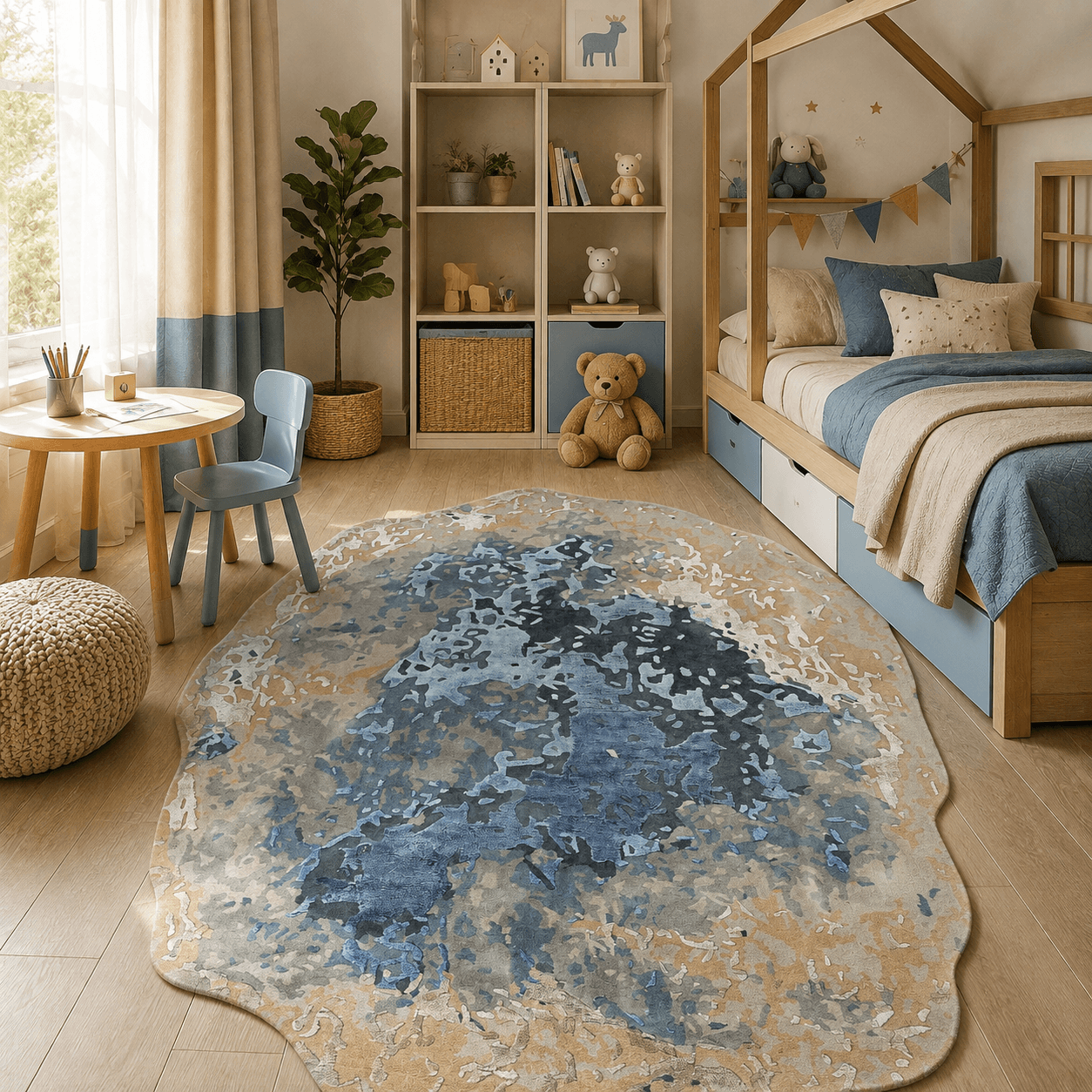
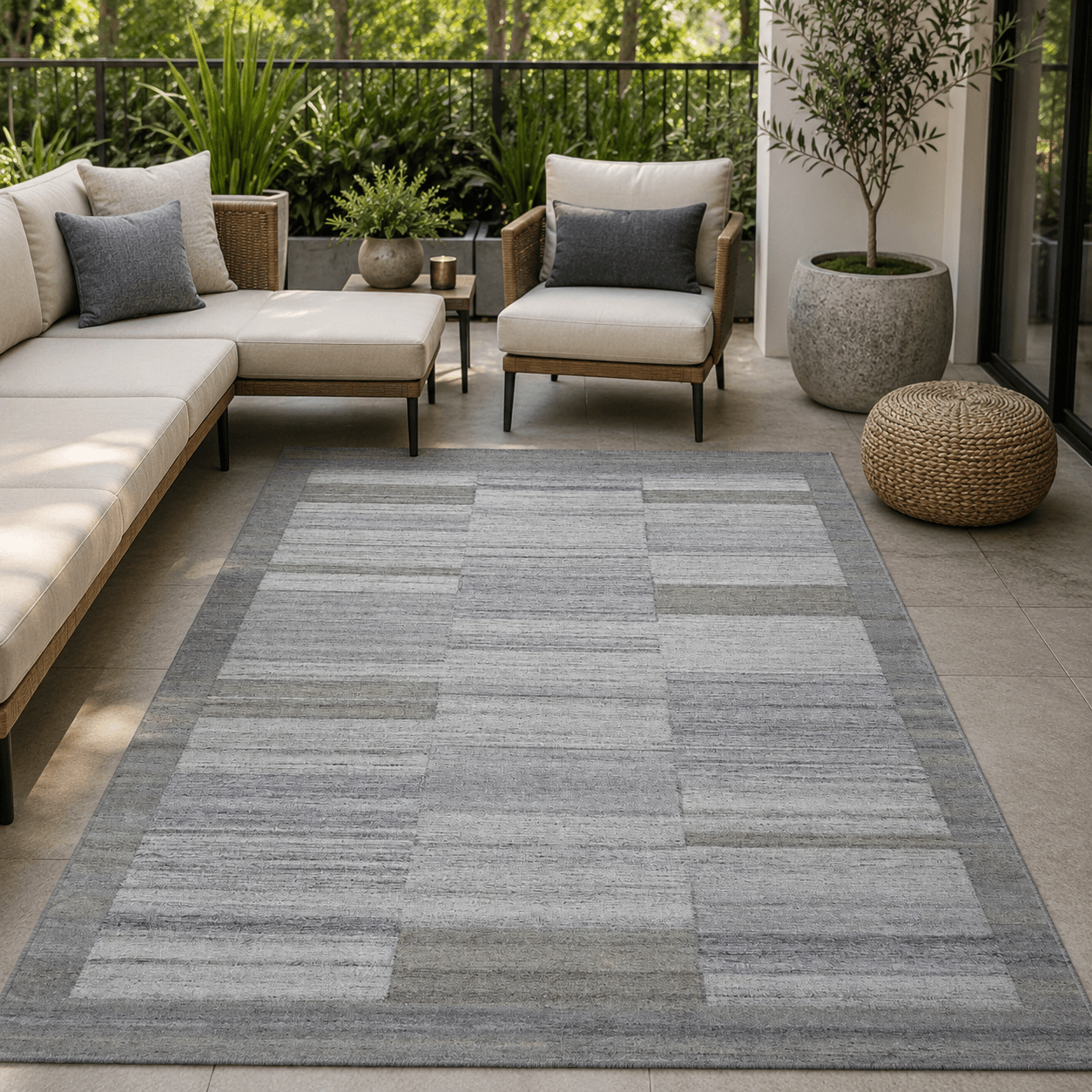
We partner with hotels, luxury villas, restaurants, corporate offices and residential developers. From a single custom-size rug to full-property hospitality installations, our project team manages specifications, mock-ups, logistics and staged deliveries.
- Hotels & Resorts
- Luxury Villas
- Fine-Dining Restaurants
- Corporate Offices
- Real Estate Developers
- Architects & Studios
- Interior Designers
- Custom Sizes to 40 ft
- Bulk Manufacturing
- Project Consultation
Sustainability & Craft
Every rug carries the livelihood of an artisan.
The Ambiente supports women artisans across Uttar Pradesh. We work only with natural fibres and low-impact dyes, treat our wash-water in closed-loop systems, and ensure every loom is fair-wage and child-labour-free — preserving a centuries-old craft for the next generation.
- Women artisans empowered
- Fair wages, child-labour-free looms
- Natural fibres & low-impact dyes
- Closed-loop water recycling
- Traditional Bhadohi techniques preserved
By the Numbers
+
Years of Manufacturing
+
Women Artisans
+
Handmade Rugs Delivered
+
Interior Projects
+
Cities Served
The Journal
Notes on craft, materials and interior design.

Begin your rug at the Delhi Atelier.
Book a private consultation, request physical samples, or speak with a design expert. Every enquiry is answered personally, usually within one business day.
Luxury Rug Atelier
New Delhi, India · By appointment
Manufacturing
Bhadohi Carpets, Bhadohi, Uttar Pradesh
How we can help you?
Welcome to The Ambiente, Premium Handmade Rugs in Delhi, India: One Destination For All Handmade Rugs and Carpets.
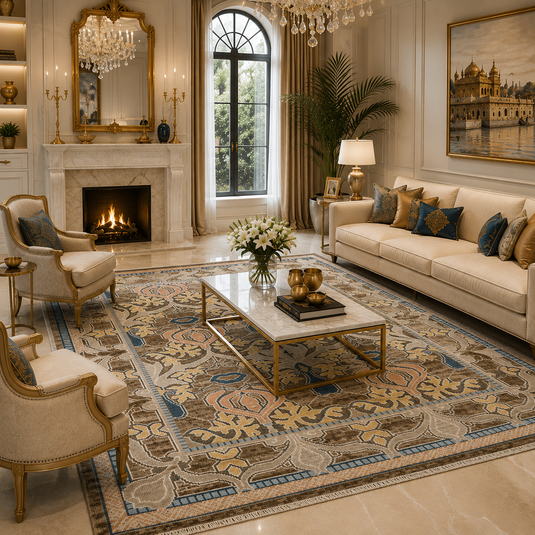
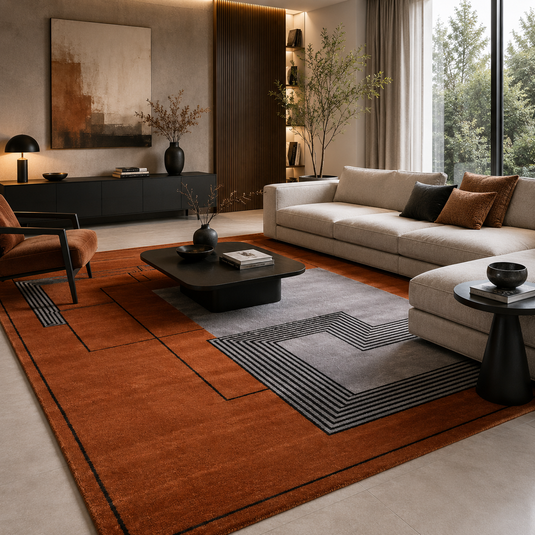
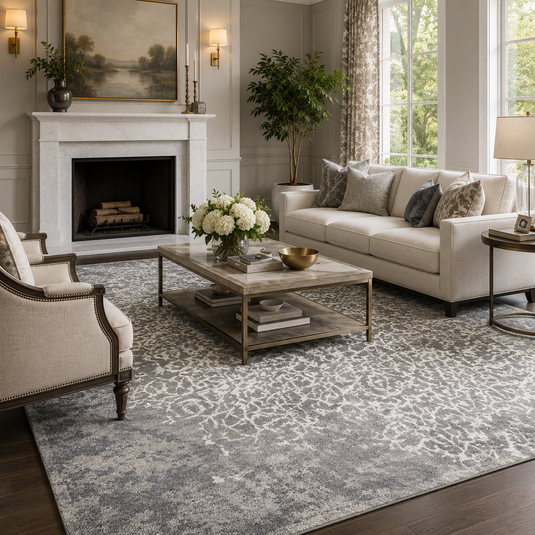
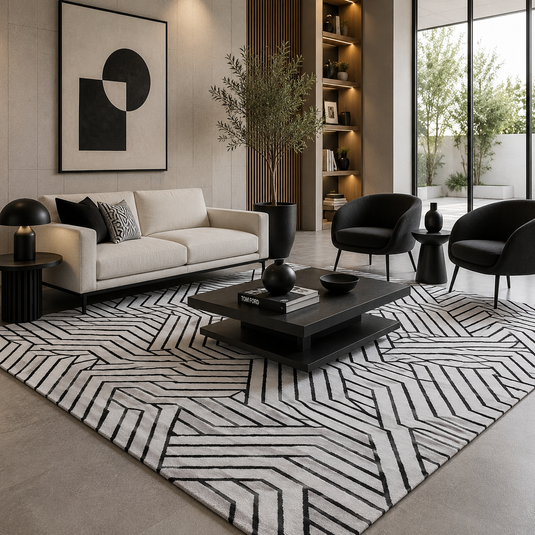
Discover the exquisite collection of handmade rugs at The Ambiente, where tradition meets modern elegance in the heart of Delhi, India. Our rugs are meticulously crafted by skilled artisans, each piece reflecting a unique blend of heritage, artistry, and contemporary design trends. From vibrant patterns that tell stories of bygone eras to subtle, sophisticated designs that complement modern interiors, our rugs are more than just floor coverings – they are masterpieces that transform your living space into a haven of style and comfort.
Explore the Beauty and Craftsmanship of Our Rugs:
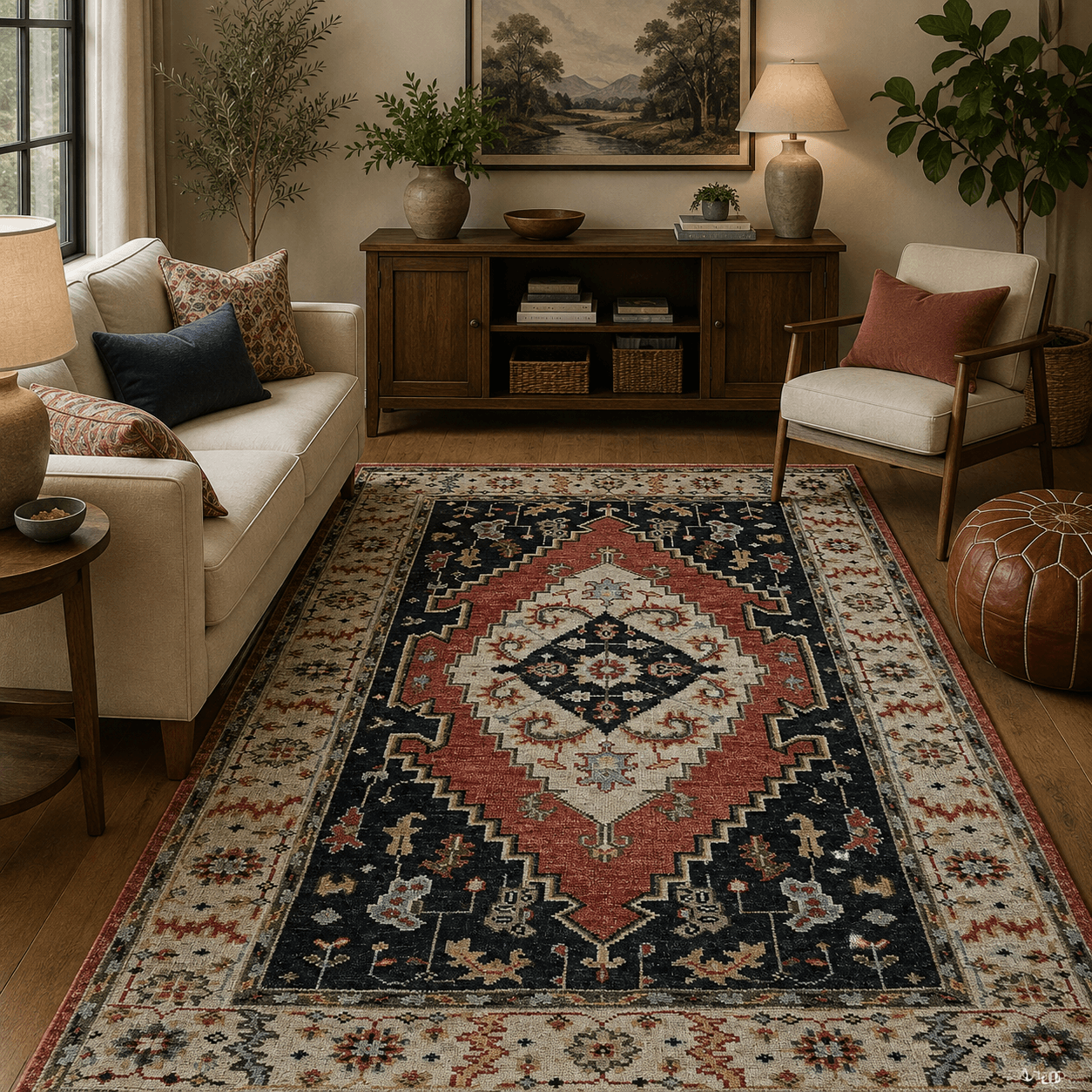
At The Ambiente, we take pride in offering rugs that are not only beautiful but also durable and ethically made. Our collection features a diverse range of styles, including vintage, contemporary, and bespoke designs, all crafted using high-quality materials like wool, silk, and natural dyes. Each rug is a testament to the dedication and skill of our artisans, ensuring that you bring home a piece of art that is as unique as your taste. Whether you’re looking to add a touch of elegance to your living room or a cozy charm to your bedroom, our handmade rugs are the perfect choice to elevate your home decor.
Explore our exclusive collection today and experience the difference that a meticulously crafted rug can make. Visit our showroom in Delhi or browse our online store to find the perfect rug that speaks to your style. With The Ambiente, you’re not just buying a rug; you’re investing in a timeless piece of art. Contact us now to schedule a personalized consultation and take the first step towards transforming your home with our stunning handmade rugs.
Explore Our Collection of Handcrafted Rugs and Carpets Now
Are you searching for exquisite rugs and carpets to elevate the ambience of your living spaces? Look no further! Ambiente is your one-stop online destination to discover top-quality handmade rugs and carpets at exceptional craftsmanship, designed and assembled by hand in India. With unparalleled customer satisfaction as our main priority, The Ambiente takes immense pride in being an industry-leading rug and carpet manufacturer in Delhi, India; offering premium products directly from home.
Unravel Timeless Elegance: Discover Hand-Made Rugs at The Ambiente
Welcome to The Ambiente, where luxury and craftsmanship converge to bring you the finest hand-made rugs. Our curated collection showcases the artistry and dedication of skilled artisans from around the world, each rug a testament to centuries-old traditions and meticulous craftsmanship.
Explore our exquisite selection of hand-made rugs, where every knot and weave tells a story of heritage and craftsmanship. From traditional Persian rugs to contemporary designs, each piece is crafted with precision and care, using only the finest natural materials such as wool, silk, and cotton.
At The Ambiente, we take pride in offering hand-made rugs of exceptional quality and beauty in Delhi, India. Each rug is carefully handcrafted, with artisans pouring their skill and expertise into every detail. The result is a masterpiece that not only adds warmth and elegance to your home but also becomes a cherished heirloom to be passed down through generations.
Whether you’re looking for a statement piece to anchor your living room or a subtle accent to complement your bedroom decor, our hand-made rugs are sure to exceed your expectations. With a variety of sizes, colors, and patterns to choose from, you’re bound to find the perfect rug to suit your style and taste.
Experience the unparalleled beauty and craftsmanship of hand-made rugs with The Ambiente. Browse our collection online and discover the perfect addition to your home today.
Uncovering the Essence of Artistry Through The Ambiente Design
The Ambiente believes that beautifully handcrafted rugs and carpets have the power to transform any space into an elegant oasis, providing both elegance and comfort. We began with the goal of curating a collection of rugs which reflect artistry and craftsmanship; working alongside skilled artisans and designers, we have amassed an assortment of carpets each encompassing its own story and charm.
Why choose The Ambiente Handmade Rugs in Delhi, India?
-
Largest collection of handmade rugs:
The Ambiente has a well curated collection of rugs designed to suit everyone’s taste. From luxurious silk carpets, classy woolen rugs, textured jute rugs, our online platform features designs, patterns, colors and themes perfect for every interior decor theme or style.
-
Handcrafted with love of over 5000 artisans:
Each rug at The Ambiente, is woven knot by knot with love of highly skilled artisans. They use traditional weaving techniques combined with contemporary design elements to craft works of beauty that exude both elegance and sophistication. The quality of each handmade rugs is maintained by dedicated quality checks at each stage, before it reaches your doorstep.
-
Advantages of Shopping Online:
Experience the ease and convenience of online rug and carpet shopping without leaving home! Our user-friendly website makes exploring our collection easy; browse through categories, compare products and find something suitable to add texture to any living space.
-
Ethical and Sustainable Practices:
At The Ambiente, we are dedicated to promoting ethical and environmentally responsible rug-making practices in the rug-making industry. We work closely with artisans and suppliers to ensure fair wages as well as eco-friendly production methods – giving customers peace of mind knowing their rug was handcrafted with care for both people and planet. When you buy one from us, you can rest easy knowing it was made responsibly!
Our Products:
-
Handmade Rugs :
Our handmade rug collection showcases the skill and creativity of our artisans, each telling its own special tale with intricate patterns and designs that add character and charm to your home. Whether you prefer traditional motifs or contemporary abstracts, there’s sure to be something perfect among this selection!
-
Carpets of Unrivaled Quality
Bring luxury and comfort into your interiors with our collection of handmade carpets. Crafted using only top quality materials, these handmade pieces are designed to stand up over time while adding a sense of grandeur and decadence to any space they adorn.
How to Buy Premium Handmade Rugs and Carpets Online: Here Are Steps
The Ambiente makes purchasing your dream handmade rug or carpet online effortless. Simply follow these three easy steps and add elegance and art into your home:
Step 1: Log on to Our Website:
Visit our website, www.theambiente.com and explore our large collection of rugs and carpets. Take advantage of our intuitive search filters to narrow down your preferences based on size, material type, color palette and design style.
Step 2: Choose Your Favourite
Once you find a rug or carpet that speaks to you, click it for product information, images and pricing.
Step 3: Add to Cart
Once you click “Add to Cart,” your chosen item will be added directly into your shopping cart.
Step 4: Review and Submit Payment Details
Step 5: Final Review and Checkout
Review your cart carefully to verify you have selected all of the correct items, adjust their quantities or remove any unnecessary ones if needed, before proceeding to checkout page.
Step 6: Securing Payment Whilst entering your shipping and payment information, be assured that these transactions will remain safe.
Step 7: Take a Deep Breath and Relax
Congratulations on successfully placing your order. Now sit back and relax while we make the rug or carpet ready for delivery.
Contact Us Now:
Add timeless beauty and timeless craftsmanship to your living spaces with The Ambiente’s handmade rugs and carpets. Shop online or visit one of our locations, and experience its magic first-hand. Should any issues arise or assistance be required, our dedicated customer support team is on standby. Shop with The Ambiente for artistic elegance that completes your home like never before!
Explore Our Others Collection Today:
Traditional Rugs | Modern Rugs | Transitional Rugs | Geometric Rugs | Erased Rugs | Tribal Rugs | Floral Rugs | Minimal Rugs | Vintage Rugs | Textured Rugs | Solid Rugs | Luxury Rugs | Rug By Weave | Flat Weave Rugs | Hand knotted Rugs | Handloom Rugs | Hand Tufted Rugs | Blue Rugs | Brown Rugs | Ivory Rugs | Grey Rugs | Black Rugs | Red Rugs | Pink Rugs | Green Rugs | Beige and Tans Rugs | Multi Color Rugs | Yellow Rugs | Small Size Rugs | Medium Size Rugs | Large Size Rugs | Oversized Rugs | Runners Rugs | Round Rugs & Carpet | Wool Rugs | Bamboo Silk Rugs | Wool & Bamboo Silk carpet | Jute Rugs & Carpet | Wool & Silk Rugs | Bedroom Rugs | Living Room Rugs | Dining Room Rugs | Kids Room Rugs | Outdoor Rugs | Indoor Rugs
Frequently Asked
Questions we love answering.
The Ambiente is powered by Bhadohi Carpets, a family-run manufacturer with over 30 years of experience exporting handmade rugs to more than 100 cities worldwide. As a direct manufacturer, we control every step from yarn selection to hand-finishing — no middlemen, no compromises.
Bhadohi in Uttar Pradesh is the historic heart of Indian carpet weaving. Our master weavers use techniques passed down for generations, producing hand-knotted rugs with knot densities and finishing standards recognised by the global luxury interior trade.
Yes. Bespoke work is our specialty. Our design studio produces custom rugs to any size, shape, colour palette, pile height, and material blend — wool, pure silk, bamboo silk or a combination — matched to your interior brief and moodboard.
Hand-knotted rugs are tied knot-by-knot on a vertical loom and are the pinnacle of the craft, often taking months per piece. Hand-tufted rugs are made by punching yarn into a stretched canvas, offering rich texture at accessible price points. Handloom rugs are woven on horizontal looms and celebrated for their clean, contemporary appearance.
We work with New Zealand wool, Indian highland wool, pure mulberry silk, bamboo silk, cotton and jute. Every fibre is sourced from verified partners and dyed in small batches for consistent lustre and long-term colour stability.
We are a preferred hospitality rugs partner for five-star hotels, luxury villas, restaurants and corporate offices. Our project team handles specifications, mock-ups, fire-safety documentation and staged deliveries across India and abroad.
Absolutely. Interior designers, architects and developers can request trade pricing, physical swatch boxes and a dedicated designer consultant who accompanies the project from concept to installation.
Yes. As an established export-quality rug manufacturer, we ship to over 100 cities across North America, Europe, the Middle East and Asia-Pacific with fully insured door-to-door logistics and customs documentation.
A standard bespoke hand-knotted rug takes between 8 and 20 weeks depending on size, knot density and material. Hand-tufted and handloom bespoke pieces are typically ready in 4 to 8 weeks.
Yes. Our Luxury Rug Atelier in New Delhi is open by appointment. Clients experience full-size pieces under gallery lighting and consult with a senior designer on layouts, materials and colourways.
Our looms empower more than 4,000 women artisans across Uttar Pradesh under fair-wage, child-labour-free conditions. We use natural fibres, low-impact dyes and water-recycling systems in our finishing units.
Rotate the rug every six months, vacuum on a low-suction setting, blot spills immediately with a clean cloth, and schedule professional hand-cleaning every 18–24 months. A quality Bhadohi rug will outlast generations with routine care.
Yes. We courier physical yarn cards and small woven swatches so you can evaluate colour, texture and quality in your own light before committing to a full production run.
There is no fixed minimum for residential clients. For hospitality and commercial rugs we typically start with a project brief and quote based on total floor area, timelines and finishing requirements.
Book a consultation with our design team. We review your interior brief, share a curated selection of collections, prepare a bespoke proposal with visuals, and walk you through materials, timelines and pricing — all with no obligation.